Good Luck Rituals
The desire for good fortune has followed humanity since ancient times. People have always searched for ways to win the favor of fate. Whether they wished for success in love, a rich harvest, good health, or protection for their family, they believed that certain objects, customs, and rituals could attract luck and keep misfortune away.
Today, when we hear the word superstition, we may think of a horseshoe above the door or a four-leaf clover hidden in a wallet. In reality, these traditions were once far more widespread.
For people in the past, Good Luck Rituals were a way to gain at least a small sense of certainty in a world full of disease, danger, failed crops, and unpredictable events. Many of these customs have survived into the present day, and some of them we still follow without even knowing where they came from.
The Horseshoe Protected the Home
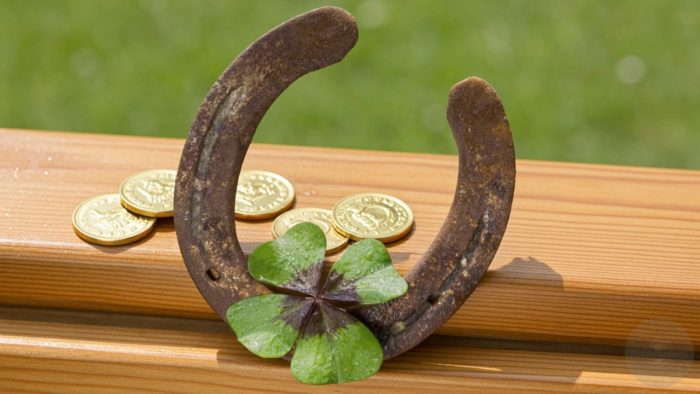
Among the best-known symbols of luck is the horseshoe. Its history reaches deep into the Middle Ages, when people believed it had protective power. The horseshoe was thought to drive away evil forces, misfortune, and anything that could threaten the home.
That is why people often hung horseshoes above entrance doors. In many places, the horseshoe was hung with the open side facing upward, so that luck would be symbolically caught inside and would not escape.
In other regions, people believed the horseshoe should face downward, so that good fortune could pour out onto everyone who walked beneath it. No matter how it was placed, its meaning remained the same: protection, prosperity, and good luck for the household.
The Four-Leaf Clover Was a Gift From Nature
Finding a four-leaf clover was never easy, even centuries ago. Its rarity is exactly what made it one of the strongest symbols of good luck. People believed that each leaf represented something important: hope, faith, love, and luck.
Whoever found a four-leaf clover was thought to receive protection from misfortune and the favor of fate. Many people dried the clover and carried it with them as a talisman. Others placed it inside books, boxes, or among family treasures.
It was not only a plant. It was a small sign from nature that luck had chosen you. Even today, finding one still feels like a rare little reminder that wonderful surprises can appear when we least expect them.

Coins Attracted Prosperity
Money has always been a symbol of prosperity, which is why coins became part of many good luck customs. Our ancestors believed that a found coin could bring good fortune.
If it was lying face up on the ground, it was considered especially lucky to pick it up and keep it as a talisman. Coins were also placed into the foundations of new houses or under thresholds.
They were meant to ensure that the household would prosper and never suffer from poverty. Similar traditions still exist in some countries today. For example, giving money to newlyweds remains a symbol of abundance, blessing, and financial stability.
Fire Symbolized Cleansing and New Beginnings
Fire has fascinated people since the beginning of time. It gave warmth, light, protection, and a sense of safety. It is no surprise that fire became part of many rituals connected with luck and renewal.
During important celebrations, people lit fires, danced around them, or even jumped over the flames. They believed the fire could burn away bad luck, illness, fear, and negative energy.
Special importance was given to midsummer fires, which were connected with protection, fertility, and the arrival of abundance. Fire was not only a physical element. It was a symbol of purification, courage, and a new beginning.

Mistletoe Opened the Way to Luck and Love
Mistletoe was one of the most respected plants in ancient Europe. The Celts considered it sacred and believed it connected heaven and earth. In homes, mistletoe was hung as protection against misfortune.
It was believed to attract health, luck, harmony, and blessing. When two people stood beneath mistletoe, they were expected to kiss. This kiss was believed to bring love and strengthen the bond between them.
Today, this tradition is mostly associated with Christmas, but its roots are much older. Mistletoe was once seen not only as a romantic plant, but also as a magical symbol of protection and good fortune.
Wishes Were Given to Water
In many cultures, water was considered a magical element. Springs, wells, rivers, and fountains were connected with cleansing, healing, and the fulfillment of wishes. People threw coins, flowers, or small offerings into water while making a wish.
They believed the water would carry their request to higher powers. This is where the familiar custom of throwing coins into fountains comes from. Even today, people all over the world toss coins into water and silently make a wish.
It is one of the simplest good luck rituals, and one of the most enduring. The ritual reminds us that sometimes hope begins with nothing more than a simple wish and the courage to believe it might come true.
Talismans Were Part of Everyday Life
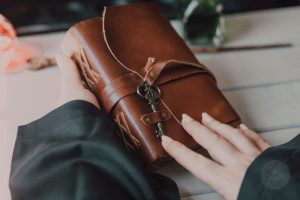
Our ancestors often carried small objects meant to protect them and attract good fortune. These could be stones, coins, herbs, pieces of wood, shells, or objects found in nature. Their real material value was not always important.
What mattered most was the belief placed into them. Talismans accompanied people on journeys, during important decisions, and in everyday life. They helped them feel safer and reminded them that fate might be watching over them kindly.
For some, a talisman was protection. For others, it was courage. For many, it was simply a quiet reminder that luck could still be invited in.
Many cultures also believed that every person was born under a unique cosmic influence. Discover your zodiac sign’s lucky crystal, birth flower, color, and other traditional symbols with our Zodiac Finder.
✨ Find Your Zodiac Color, Flower & Stone
Choose your zodiac sign or enter your birth date to discover the color, flower and stone traditionally connected to your zodiac energy.
Conclusion
Good Luck Rituals show how deeply people have always longed for protection, hope, and a kinder fate. A horseshoe above the door, a four-leaf clover in a book, a coin in a fountain, a flame at midsummer, or a small talisman in a pocket may seem simple today.
But for our ancestors, these objects and rituals carried meaning, comfort, and belief. Whether we see them as superstition, folklore, or symbolic magic, they remind us of one timeless truth: people have always needed hope. And sometimes, even the smallest ritual can help us feel that luck is a little closer.
FAQ
What are Good Luck Rituals?
Good Luck Rituals are customs, symbolic actions, or traditions believed to attract fortune, protection, prosperity, love, health, or positive energy.
What is the most famous symbol of good luck?
The horseshoe is one of the most famous symbols of good luck. It was traditionally hung above doors to protect the home and attract prosperity.
Why is a four-leaf clover lucky?
A four-leaf clover is considered lucky because it is rare. Traditionally, its leaves symbolize hope, faith, love, and luck.
Why do people throw coins into fountains?
This tradition comes from old beliefs that water could carry wishes to higher powers. Throwing a coin into water became a simple ritual for attracting luck or having a wish fulfilled.
What objects were used as talismans?
People used stones, coins, herbs, pieces of wood, shells, or objects found in nature as talismans for protection and good fortune.
Are Good Luck Rituals still used today?
Yes. Many people still use good luck symbols such as horseshoes, lucky coins, four-leaf clovers, mistletoe, or personal talismans, even if they see them more as tradition than magic.