Key Points
- Some signs show up faithfully and quietly, while others stage dramatic exits or skip the service entirely.
- Attendance reflects emotional habits: dependability, pride, avoidance, or curiosity often determine who appears.
- This piece groups the zodiac by likely funeral behavior rather than following calendar order.
- Reading is playful and general—individual relationships and charts can change how people truly respond.
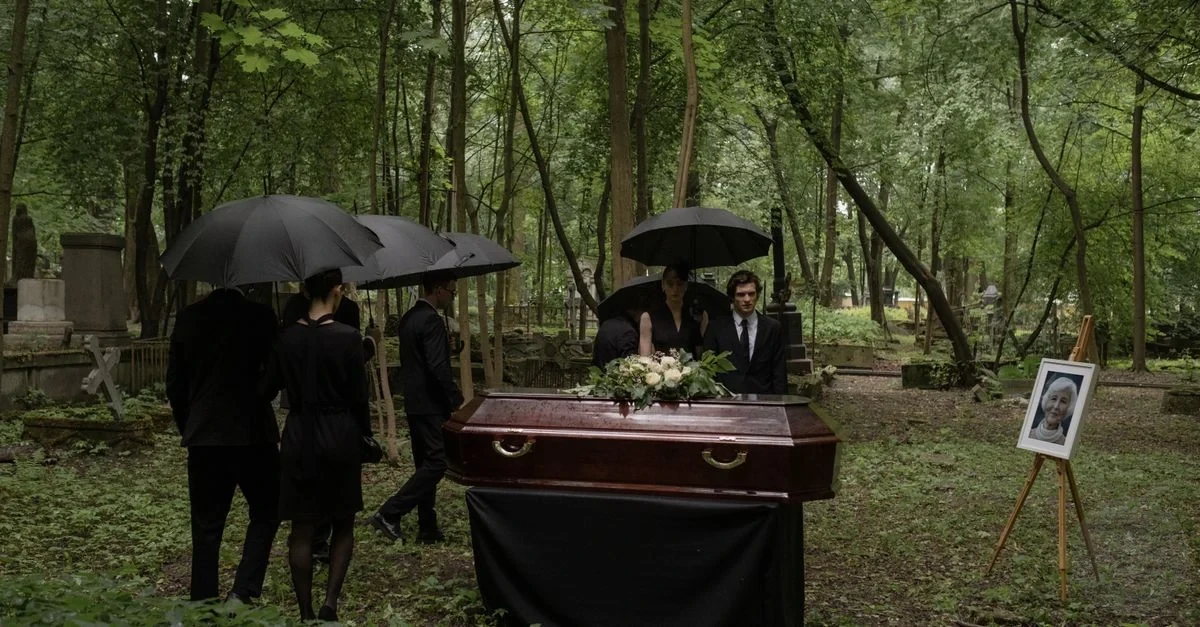
If you could secretly watch your own funeral, who would linger, who would deliver a speech, and who would sneak out early? Fun as it sounds macabre, imagining that room reveals a lot about how different zodiac signs handle closure, grief, and social obligation.
This article groups the signs by the kind of presence they’re most likely to bring: loyal pillars, theatrical attendees, awkward but well-meaning visitors, and the ones who quietly evade the whole scene. Each sign entry pictures the behavior, motivations, and surprising reactions you might actually see when the lights dim and people gather to say goodbye.
The Steady Pillars — people who show up no matter what
Cancer — Loyal to the bitter end, they tend to arrive early and stay late, because family-first instincts often govern their choices. They may sit in a corner with a box of tissues, quietly remembering the stories that matter, and they usually bring something meaningful like a photo or a keepsake, a way to honor memory with practical tenderness. Expect a short, heartfelt speech from them or a private moment at the casket, since emotional sincerity is their go-to expression.
They’re likely to check on the grieving family, offering casseroles or helping with arrangements, demonstrating reliable support rather than performative grief. Even if they’re struggling inwardly, they often keep it measured outwardly so they can be the calm presence others need.
Their attendance rarely signals obligation alone; it tends to be a sincere need to be close during endings. Sometimes that quiet presence becomes the anchor others cling to, practical gestures speaking louder than words.
Virgo — At your funeral, Virgo might not cry loudly, but they’ll run the checklist and make sure everything runs smoothly, because order comforts them when emotions run high. They often arrive with practical offers—coordinating rides, collecting donations, or sorting reception food—showing service-minded grief rather than showy displays. Their remarks, if they speak, are precise and thoughtful, often recalling concrete memories that reveal careful observation.
Virgo can appear emotionally reserved, but their presence is felt through action: name tags, a tidy program, and a calm organizer making chaos feel manageable. They may also be quietly critical of anything that seems disorganized, a sign of high standards rather than coldness.
Motivated by a desire to be useful and to honor the deceased through efficiency, they may silently redo seating charts or label leftovers. The contradiction is that their attention to detail can come across as overly procedural at a highly emotional event, but the consequence is that others leave feeling supported and less overwhelmed.
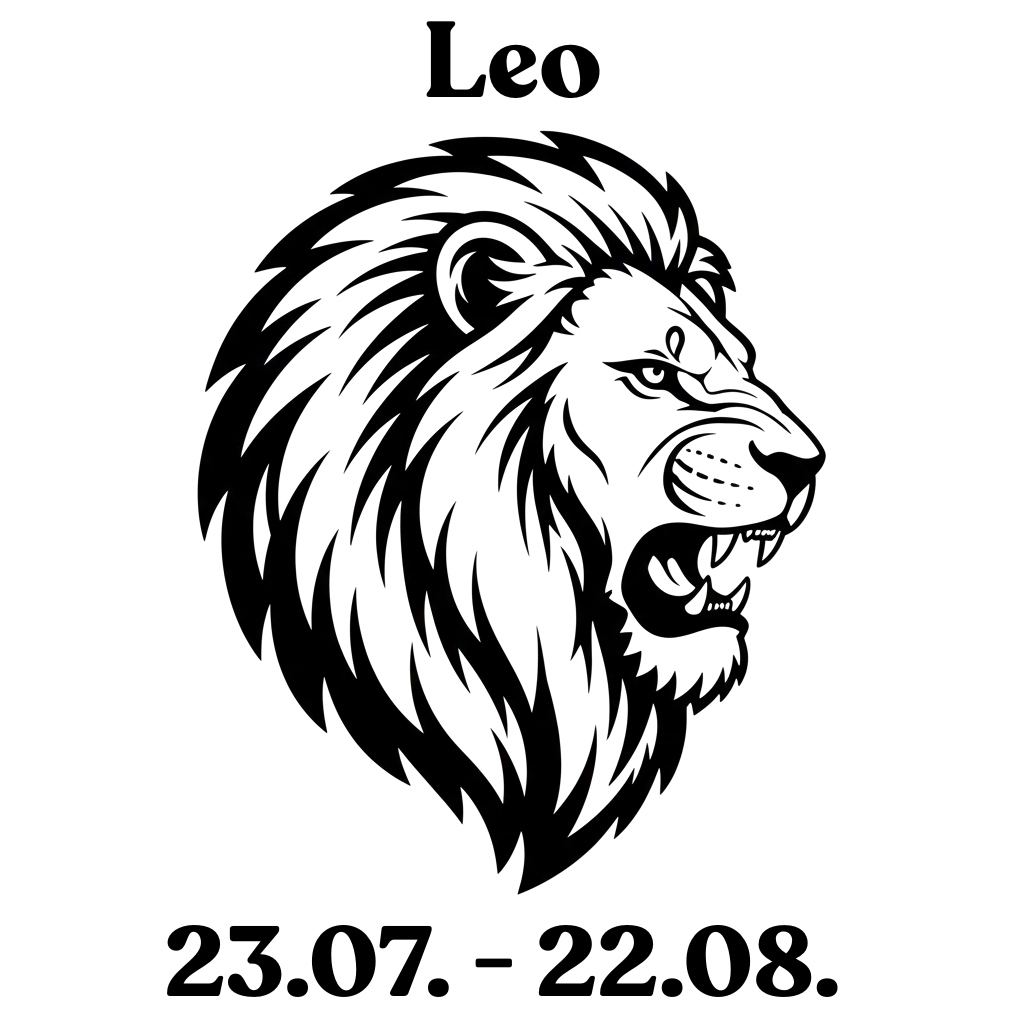
Leo — Expect Leo to treat the event as a stage where they can celebrate a life with flair, because expressive drama is how they process big emotions. They may arrive dressed to be noticed, ready with a moving toast that mixes humor and grandeur, aiming to highlight the departed’s best moments with magnetic presence. Leos can take over the microphone, not to steal attention but to ensure the memory shines in a certain light—often generous and warm but unmistakably theatrical.
They tend to leave people smiling and uplifted, though a few might roll their eyes if Leo tips into showboating instead of sincerity, given their instinct to create a memorable send-off. Even when emotional, Leos want the occasion to reflect the value they see in the person who passed, delivering ardent praise rather than quiet lament.
Their attendance is rarely absent; they usually consider it their responsibility to honor publically with heart. A concrete example: a Leo might organize a slideshow, pick the playlist, and close with a story that makes everyone laugh and cry at once, which can both comfort and overwhelm more private mourners.
- If you want a deeper look at the reliable signs who show up in crises, check how some zodiac personalities consistently appear when people need them most.
The Private Mourners — subtle, introspective attendees who feel deeply
Scorpio — When Scorpio attends, they bring intensity and a sense of purpose—private, profound mourning rather than noisy displays. They might linger alone by the casket or step outside for a moment of cigarette or thought, because Scorpio processes grief privately and values authentic connection over small talk. If they speak, expect something piercingly honest that cuts straight to what mattered between them and the deceased, a testimony shaped by loyal secrecy.
Their motives are simple: closure, respect, and a need to witness the finality personally rather than rely on hearsay. There’s a contradiction to their presence — quietly withdrawn yet emotionally commanding — so their few words or gestures can feel like an accusation and a benediction at once.
Their willingness to sit with raw feeling often prompts others to stop pretending everything is fine, producing spontaneous tears or confessions. They’re not likely to perform for the crowd, but their attendance is meaningful: an intense promise kept that usually leaves a lasting emotional mark.
Gemini — Gemini shows up out of curiosity and care, juggling conversations and trying to comfort multiple people because social adaptability is their natural skill. They may flit between groups, exchange stories, and attempt to lighten the mood with anecdotes—sometimes too soon—revealing nervous empathy more than quiet sorrow. Their remarks can be scattered, filled with witty lines or half-formed memories, which can be endearing or frustrating depending on how solemn the crowd is.
Geminis often want to be helpful but may miss subtle cues, offering advice or humor where silence was needed, a sign of well-intentioned awkwardness. At times they’ll contradict themselves, assuring someone they’ll stay and then dart off to check on another friend; the intention is genuine even if the timing is imperfect. A concrete example: they’ll recount a funny shared moment in the casket line, then sit quietly beside someone who needs to talk.
Their energy tends to lift weary guests briefly, and their attendance signals they care even if they’re processing in short bursts. If someone needs someone to chat with while coping, Gemini is the one who’ll stay and keep company between tears.
Aquarius — Aquarius can be surprisingly absent from their own funeral because they often process grief intellectually and may distrust rituals as meaningful, a tendency toward detached perspective. When they do attend, it’s usually to support specific people rather than join the crowd, leaning into principled presence over emotional display. Their motive is often rooted in a value for authenticity and fairness—if a ceremony feels performative, they’ll opt out to avoid hypocrisy.
They might surprise others by delivering an unusual tribute—a poem, a donation to a favored cause, or a digital slideshow—and are equally likely to communicate remotely or send a thoughtful message instead of showing up. This can create a contradiction: loved ones might feel snubbed even as the Aquarius believes they are honoring the person in a truer way.
The consequence is mixed reactions—some family members puzzled, others relieved at an unconventional but sincere gesture. Their choices remind everyone that mourning can look different and still be real.

The Uncomfortable Guests — those who mean well but prefer to stay distant
Libra — Libra wants peace and will try to be diplomatic at a funeral, often arriving with flowers and an even tone because harmony matters to them. They usually aim to ease tensions between grieving relatives and offer polite condolences, showing social grace under strain rather than deep, visible emotion. Libras might avoid conflict even if it simmers beneath the surface; they’ll stay neutral and soothe troubled guests, hoping everyone leaves feeling calmer.
Their motive is to restore balance and keep the atmosphere dignified, sometimes arranging seating or quietly intervening when siblings begin to argue. This can be a contradiction: they appear composed but internally worry about taking sides or being overwhelmed by raw grief. As a consequence, they may skirt tougher conversations and leave real resentments unspoken.
Still, their steady presence—listening quietly, offering gentle practical help—often steadies others in the room. If they skip, it’s usually because the situation is too volatile or emotionally messy for their diplomatic temperament.
Sagittarius — Sagittarius might be the one who shows up with an odd anecdote or a travel-related memory, because optimism and story are how they honor life. They tend to avoid heavy sentimentality, instead celebrating the person’s spirit and the adventures shared, offering uplifting perspective more than solemn mourning. Sagittarians can feel uncomfortable with prolonged displays of grief and may keep their visit brief, preferring to remember the good times and encourage laughter amid tears.
Their honesty is refreshing—sometimes tactless—but rooted in a desire to affirm life rather than be bogged down by sorrow, a form of joyful remembrance. Concretely, you might hear them recount a ridiculous road-trip mishap that actually captures the deceased’s laugh, or receive a later postcard confessing how much that friendship expanded their world.
If they don’t attend, it’s often because distance or scheduling kept them away, and they’ll likely reach out with a bright, warm message or an invitation to celebrate the person’s life over coffee. Their presence tends to shift the room toward stories and forward motion, which comforts some and irks others.
Taurus — They show up steady and solemn, often bringing a practical comfort like a home-cooked dish or a tangible keepsake because sensory gestures help them express care. They’re unlikely to perform dramatically; instead, they offer physical presence: a hand on a shoulder, steady cooking, or simply sitting through the service to provide solid reassurance. Their grief tends to be deep and slow, not rushed, and they may revisit the cemetery or memorial quietly afterward, practicing long-term remembrance rather than a single ceremonial moment.
Motivated by loyalty rather than spotlight, they prefer meaningful rituals—planting a tree, keeping a photo album, or repairing a neglected grave marker—as concrete proof of ongoing attention. There is a quiet contradiction in their steadiness: they feel intensely but show it through calm actions.
Their attendance often steadies others, and their practical contributions cover details people forget. For a Taurus, presence is promise; consistency matters more than flash.

The Unpredictable Wildcards — you never know whether they’ll appear or put on a show
Aries — Aries can either arrive late with dramatic energy or not at all, because their impulses drive attendance more than obligation—impulsive presence is typical. If they show up, expect bold, emotional statements, possibly a spirited toast or an unapologetically raw outburst that shakes the room, reflecting honest intensity rather than disrespect. Aries tends to act from the heart in the moment, so their behavior might seem unpredictable: they can lead a moment of catharsis or create awkwardness with too much bluntness.
Their motive is usually to cut through pretense and offer something real, even if timing is off or delivery is rough. A concrete example: the Aries who bursts in ten minutes late, claps loudly to grab attention, and declares a funny, heartfelt story that leaves people laughing and crying. The consequence is mixed—some feel lifted, others stunned—yet their presence often jumpstarts communal release.
If they skip, it’s sometimes because they can’t sit with prolonged sadness and prefer to honor in their own active way later. Either way, Aries keeps things real and immediate at a funeral.
Capricorn — Capricorn tends to treat funerals with solemn respect and a sense of duty, showing up punctually and taking care of necessary responsibilities because tradition and responsibility guide them. They might be the one coordinating professional details, handling estate logistics, or offering the kind of calm, practical leadership mourners need in the days after. Capricorns usually keep their emotions contained, expressing grief through structured actions—attending the viewing, signing the book, and ensuring the event respects expectations, a form of measured devotion.
While not showy, their attendance is meaningful: they take roles others avoid and make sure things are handled with dignity. Capricorns may deliver a simple, sincere tribute and then quietly get to work on follow-up tasks, demonstrating steady dependability rather than public dramatics. Deep down they are often more affected than they let on, so the quiet competence can be a coping mechanism as much as a character trait.
Because people rely on them in those moments, Capricorns can be exhausted afterward but also quietly comforted by having honored the deceased properly. Their presence rarely seeks attention, yet it leaves a lasting impression of responsibility fulfilled.
Pisces — Pisces often attends with a soft, empathetic presence, offering gentle words, a handwritten note, or a quiet embrace because compassion guides them. They’re likely to be deeply moved, sometimes tearful, and may blur the lines between memory and imagination as they recall meaningful, poetic moments. Pisces can bring a creative tribute—a song, a painting, or a personal poem—reflecting sensitive devotion and a desire to soothe others.
Their approach to grief is spacious and symbolic; they may stay after the ceremony to sit quietly by the departed’s belongings or light a candle, showing spiritual remembrance more than formal obligation. Motivation for this tender behavior often comes from a need to honor feeling rather than protocol, so they may skip the formal reception and instead leave a fragrant bouquet or a small piece of art.
This can be comforting to the bereaved, who find Pisces’ quiet magic like a balm, though some practical-minded guests may wonder where they went. Even if they don’t speak at the podium, Pisces’ presence feels tender and emotionally generous, a comforting shoulder for those who need it.
Conclusion
Your funeral room—real or imagined—reveals a lot about how people prioritize connection, duty, and expression. Some signs show up with steady hands and casseroles, others deliver theatrical tributes, and a few process grief in ways that keep them distant or solitary.
None of these behaviors are inherently right or wrong; they’re styles of love and closure shaped by personality, relationships, and personal coping. If you could secretly watch, the mix of attendees would likely leave you smiling, annoyed, reassured, or surprised—proof that endings often show what mattered most to different people.
Cosmic Highlights
FAQ
Do these funeral behaviors apply to everyone with that zodiac sign?
No. These descriptions highlight common tendencies associated with sun-sign personality expressions, but individual behavior also depends on upbringing, personal relationships, and full natal charts.
Which signs are most likely to give a memorable eulogy?
Leos and Scorpios often give memorable eulogies—Leo through dramatic, warm storytelling and Scorpio through intense, honest insights—while Virgos and Capricorns might deliver precise, dignified remarks.
How can someone handle guests who act awkwardly at a funeral?
Focus on setting a calm tone, gently redirecting any disruptive behavior, and offering private support afterward; having a few practical helpers like Virgo or Capricorn types can also smooth difficult moments.
✨ Explore More from Zodiac Echoes ✨Explore More from ZE
Choose your zodiac sign to explore daily, weekly, monthly, and yearly horoscopes.