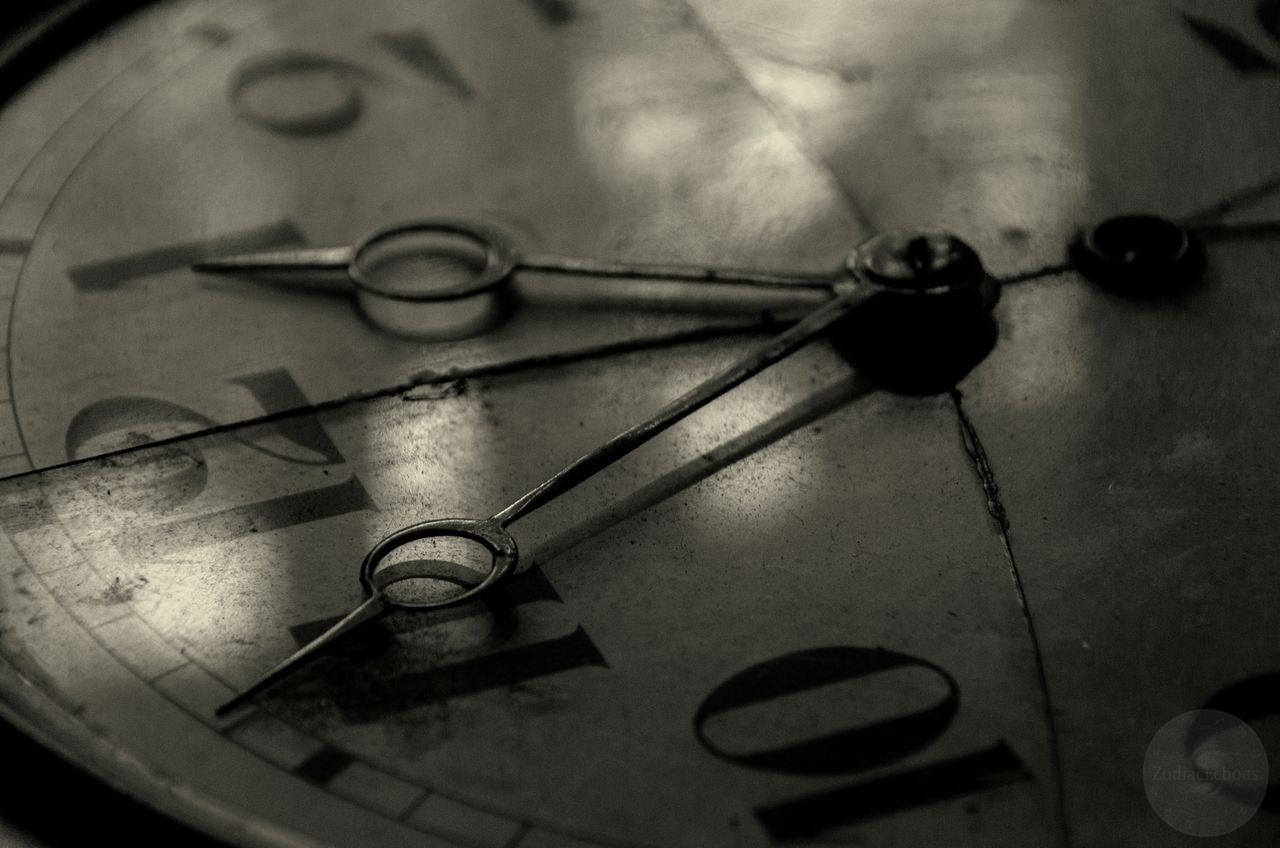
- A clock stopping unexpectedly was traditionally interpreted as a warning of death or approaching misfortune.
- Victorian mourning customs sometimes included deliberately stopping household clocks after a family member died.
- Clocks symbolized the passage of life, making their sudden silence particularly unsettling.
- Some families stopped clocks at the recorded time of death, turning them into lasting memorials.
Imagine sitting alone in a quiet house when the familiar ticking of a clock suddenly stops. Today, most people would suspect a mechanical fault or an exhausted battery. But in earlier centuries, an unexplained silence from a household clock could be interpreted as a terrifying warning that someone had died—or was about to die.
This unsettling superstition became closely associated with European and British mourning traditions, particularly during the Victorian era. When clocks were among the most noticeable sounds in a home, their sudden silence could feel strangely significant. For some families, a stopped clock was not merely a broken object. It was a message about mortality.
Why Was a Stopped Clock Considered an Omen of Death?
Before modern electronic devices, mechanical clocks marked the passing hours with steady ticking and occasional chimes. Their movement became a familiar part of domestic life, while their sudden silence could create an immediate sense that something was wrong.
In traditional superstition, a clock that stopped without an obvious explanation could announce a death in the family. Some versions of the belief suggested that the clock might stop at the precise moment a distant relative died, even before news of the tragedy reached the household.
These stories reflected a broader fascination with mysterious connections between people, objects, and significant life events. Because clocks measured time, their failure became a powerful symbol of a life reaching its end.
Why Did Victorian Families Stop Clocks After Someone Died?
Interestingly, the relationship between clocks and death was not limited to superstition. Deliberately stopping clocks was also a mourning custom in some Victorian households. When a person died, family members might stop the clocks, close curtains, and cover mirrors as part of the rituals surrounding death.
Stopping a clock could symbolize the moment when time had ended for the deceased. It also marked the household’s temporary withdrawal from ordinary daily life while relatives prepared for the funeral and observed mourning customs.
In some families, the clock remained stopped until after the burial. Others preserved the hands at the time of death, transforming an ordinary household object into a personal memorial.
The distinction is important: some clocks were believed to stop mysteriously before a death, while others were intentionally stopped afterward. Over time, these separate ideas became closely intertwined in popular folklore.
The Strange Silence of a House in Mourning
Victorian mourning rituals often transformed the appearance and atmosphere of a home. Curtains might remain drawn, mirrors could be covered, and familiar routines were interrupted. Against this background, the absence of a ticking clock reinforced the feeling that ordinary life had been suspended.
The symbolism was especially powerful in an age when death frequently occurred at home and relatives participated directly in caring for the deceased. A stopped clock could become one of the last physical reminders of a person’s final moments.
Even today, stories about clocks stopping at the moment of someone’s death remain common in ghost tales and family legends. The image of motionless clock hands continues to suggest that something extraordinary has happened.
Conclusion
The superstition surrounding stopped clocks reveals how deeply people once connected ordinary household objects with death and the passage of time. Whether interpreted as a mysterious warning or deliberately stopped as part of a mourning ritual, a silent clock carried emotional meaning far beyond its mechanical function. Although modern explanations usually involve ordinary technical failures, the eerie association between stopped clocks and death remains one of the most memorable superstitions of the past.
Cosmic Highlights

FAQ
What Does It Mean When a Clock Suddenly Stops?
According to traditional superstition, a clock stopping unexpectedly could warn of death or misfortune. In reality, mechanical faults, worn components, and exhausted batteries are common explanations.
Why Did Victorians Stop Clocks When Someone Died?
Some Victorian families deliberately stopped clocks as a mourning custom, symbolizing the end of the deceased person’s life and the temporary suspension of ordinary household routines.
Were Clocks Stopped at the Exact Time of Death?
In some households, clock hands were left showing the recorded time of death, creating a symbolic memorial to the deceased.