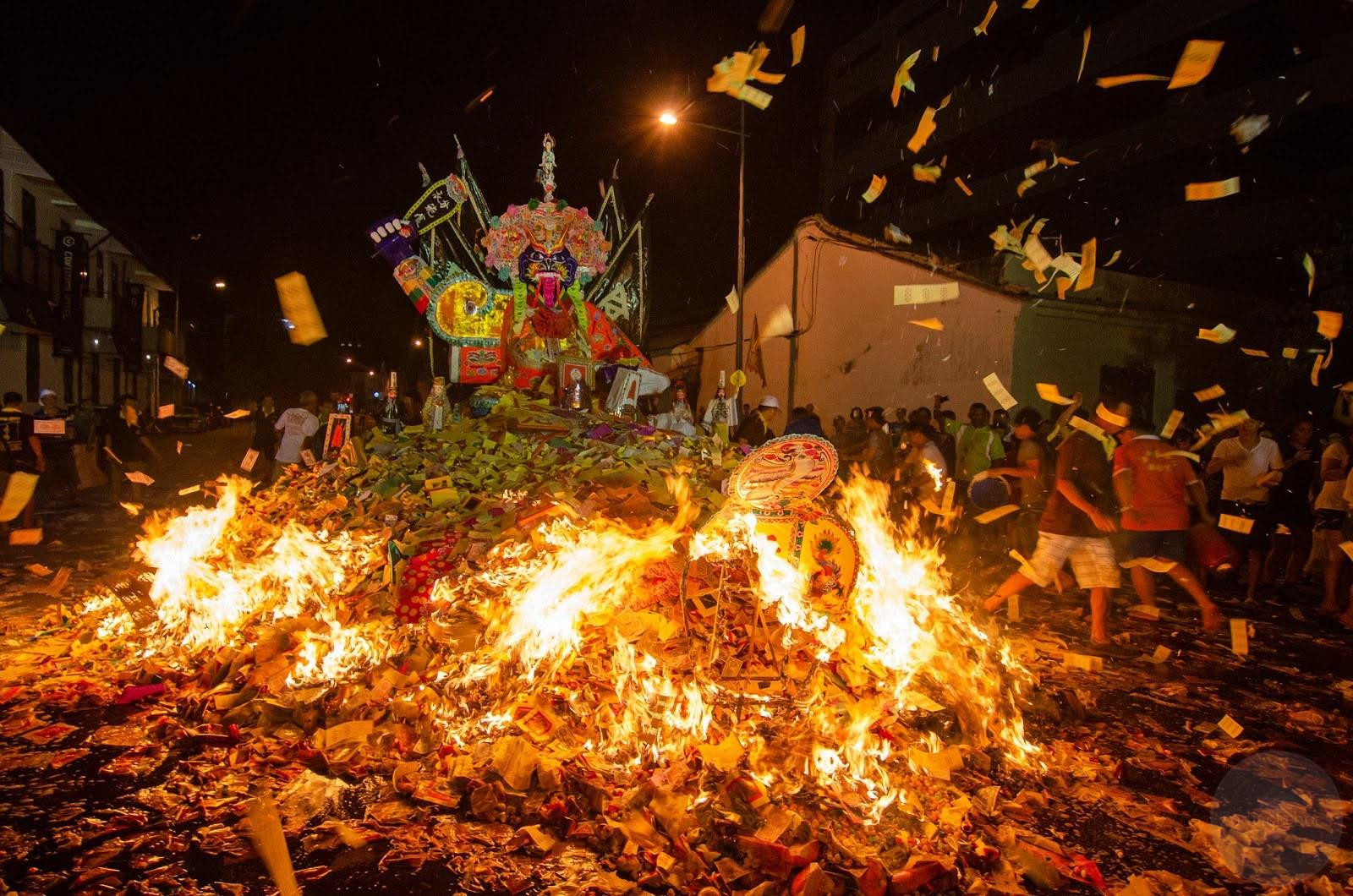
- Chinese folk traditions describe hungry ghosts as restless spirits who may suffer from hunger, neglect, or unresolved attachments.
- Families burn joss paper, also called spirit money, as a symbolic offering intended to provide resources for deceased relatives in the afterlife.
- Ghosts without descendants or regular offerings have traditionally been considered especially vulnerable to spiritual neglect.
- Food offerings, incense, and paper objects form part of longstanding Chinese ancestral and religious practices.
Imagine believing that somewhere beyond the visible world, the dead are still hungry. They remember their families, recognize their former homes, and depend on the living for food, money, and comfort. But what happens when nobody remembers them anymore?
In Chinese religious folklore, the forgotten dead could become restless spirits, wandering without the offerings that other ancestors receive. This fear helped shape one of China’s most distinctive traditions: burning paper money and symbolic possessions for people who have died.
The custom is more than an unusual funeral practice. It reflects centuries of beliefs about family obligations, the afterlife, and the unsettling possibility that death does not end human needs.
Who Are the Hungry Ghosts?
In Chinese traditions, hungry ghosts are often called egui, meaning “hungry ghosts.” The concept is influenced by Buddhist teachings about pretas, beings tormented by insatiable desires, alongside Chinese folk beliefs concerning neglected or unsettled spirits.
Some descriptions portray these beings as suffering from terrible hunger and thirst. Their appetites cannot easily be satisfied, and their condition reflects the consequences of attachment, greed, or other actions associated with their former lives.
Chinese popular religion also distinguishes between honored ancestors and potentially troublesome wandering ghosts. A deceased relative receiving regular offerings could remain connected to the household, while an unremembered spirit might be left without anyone to provide for it.
Not every hungry ghost was believed to be a forgotten ancestor, however. Buddhist explanations and local folk traditions offered different reasons for their suffering.
Why Do Families Burn Paper Money?
One of the most recognizable Chinese funerary customs involves burning joss paper, sometimes called spirit money or ghost money. These symbolic banknotes are intended for use in the world of the dead.
The underlying belief is that offerings transformed by fire can reach deceased relatives in a spiritual form. In some traditions, the afterlife resembles an earthly society, complete with officials, obligations, possessions, and financial needs.
Burning paper money therefore represents an attempt to provide for the dead just as families provide for their living members.
Over time, offerings expanded beyond simple paper currency. Paper houses, clothing, furniture, vehicles, and even representations of modern electronic devices have been created for ceremonial burning. Although these objects are destroyed in the physical world, their symbolic purpose is to transfer something valuable to the deceased.
The Terrifying Fate of Those Nobody Remembers
Perhaps the most disturbing aspect of the tradition concerns people who died without descendants or whose families stopped honoring them.
Without offerings, some wandering spirits were believed to become hungry, lonely, and potentially dangerous. Their suffering could inspire fear among the living, especially when misfortune was interpreted as evidence of supernatural displeasure.
Communities developed ceremonies that extended generosity beyond their own ancestors. Food, incense, and paper offerings could be dedicated to unknown spirits, ensuring that even those without living relatives were not entirely abandoned. This practice reveals a powerful anxiety beneath the supernatural imagery: the fear of being forgotten after death.
The Hungry Ghost Festival and the Open Gates of the Underworld
The seventh month of the traditional Chinese lunar calendar is widely associated with spirits of the dead. In many communities, it is known as Ghost Month, with observances including the Hungry Ghost Festival, or Zhongyuan Festival.
Popular beliefs sometimes describe the gates of the underworld opening, allowing spirits to wander among the living. Families and communities respond with offerings, prayers, and ceremonies intended to honor ancestors and assist suffering ghosts.
The details differ considerably across regions and religious traditions. Some observances emphasize Buddhist compassion, others Daoist rites, and many combine several forms of Chinese popular religion. The central concern remains remarkably consistent: the dead should not be neglected, especially those who have nobody left to remember them.
Conclusion
The tradition of burning paper money for the dead reflects a world in which family responsibilities continue beyond the grave. Hungry ghosts represent more than frightening apparitions; they embody suffering, attachment, and the consequences of being forgotten.
For generations, Chinese families have offered food, incense, and symbolic wealth to maintain their connection with deceased relatives. Behind the smoke of burning spirit money lies a haunting question: if nobody remembers a person after death, who will care for their spirit?
Cosmic Highlights

FAQ
What are hungry ghosts in Chinese folklore?
Hungry ghosts are suffering spirits described in Chinese religious traditions, including beliefs influenced by Buddhism. They may be associated with insatiable desires, spiritual neglect, or unresolved attachments.
Why do Chinese people burn paper money for the dead?
Burning joss paper is a symbolic offering intended to provide money or resources for deceased relatives in the afterlife. The practice expresses remembrance, respect, and continuing family obligations.
What happens to ghosts who receive no offerings?
Some Chinese folk traditions suggest that neglected spirits may wander hungry or become restless. Other religious interpretations explain hungry ghosts through karma and spiritual suffering rather than the absence of family offerings alone.
When is the Hungry Ghost Festival celebrated?
The Hungry Ghost Festival is traditionally associated with the fifteenth day of the seventh lunar month, although ceremonies and related observances may take place throughout Ghost Month.