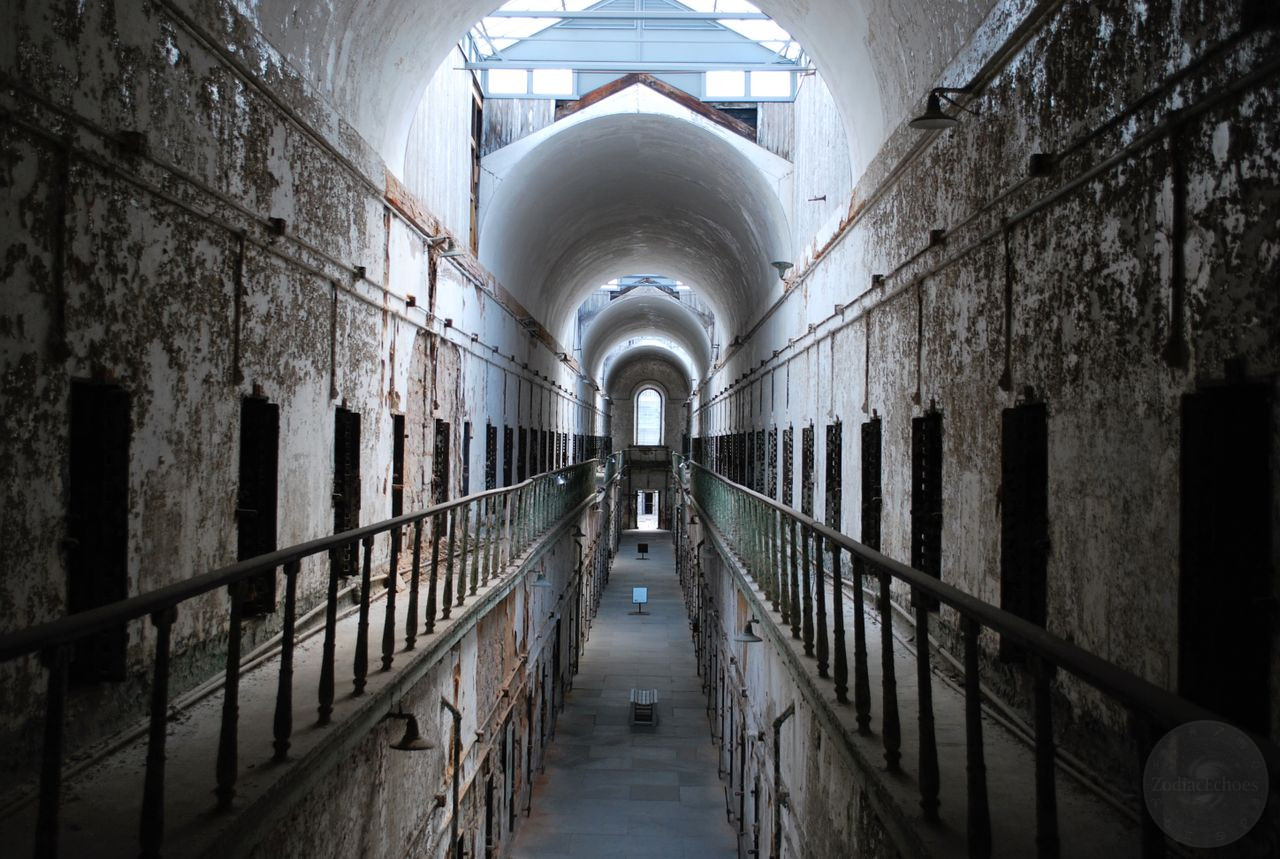
- Certain Life Path temperaments are naturally suited to endurance, resourcefulness, or social maneuvering—useful in a 30-day prison survival scenario.
- Some numbers thrive on structure and solitude, while others rely on adaptability and people skills to stay safe and sane.
- A few Life Path types would likely quit early due to emotional overwhelm, boredom, or a need for external stimulation.
- Numbers that combine practical planning with calm leadership stand the best chance of making it to day 30.
Imagine a million-dollar challenge: live 30 days in an abandoned prison with only your wits, a few basic tools, and your Life Path temperament as company. No comfortable bedroom, no familiar routines, and no easy escape from the psychological pressure of confinement. Would you survive the entire month, or would you surrender the prize before the first week was over?
This playful numerology challenge explores how all nine Life Path Numbers and the three Master Numbers—11, 22, and 33 might handle isolation, darkness, limited supplies, unexpected hazards, and the relentless monotony of prison life.
Some numbers would turn the building into an organized survival camp, others would improvise their way through every obstacle, and a few might struggle with the emotional weight of confinement. Who has the discipline to reach Day 30, and who might tap out early?
The Survival Specialists: Disciplined Planners Who Could Last All 30 Days
Life Path 4: The 4’s discipline and love of structure are tailor-made for creating order in chaos. They would establish routines, inventory supplies rigorously, and enforce safety protocols—essential in a decaying environment. Fours are steady workers who tolerate monotony and excel at building long-term solutions from limited resources.
Their resistance to improvisation can be a weakness when plans must bend unexpectedly, but their dependability supports survival. A Life Path 4 might struggle with emotional stress or unexpected disruptions, yet they would keep their environment functioning through sheer persistence and sensible labor.
By Day 30, they might have transformed an abandoned cell into a surprisingly organized living space. Life Path 4 is one of the strongest candidates to complete the challenge, not through dramatic heroics, but through consistency, preparation, and refusal to give up.
Life Path 8: The 8 brings strategic resource control into play and sees the prison as an environment to be managed. Financially minded and decisive, they would ration supplies carefully and create systems for accountability. Their natural authority and organizational instincts could become especially valuable if the challenge involved several participants.
Eights often have long-term endurance, allowing them to delay gratification and stick to a plan when the payoff matters. The million-dollar prize would provide a powerful incentive, turning every uncomfortable night into another step toward a measurable achievement.
Their biggest challenge is emotional detachment. If they become too focused on control, they may overlook their own psychological needs. Still, their discipline, determination, and calculated approach to risk make them serious contenders for surviving the entire month.
Master Number 22: Known as the Master Builder, Number 22 combines ambitious vision with practical execution. Faced with an abandoned prison, these individuals would immediately begin imagining how to transform a hostile environment into a functional survival system.
They might organize sleeping areas, establish resource-management procedures, identify safer sections of the building, and create detailed contingency plans. Their ability to connect long-term strategy with practical problem-solving would make them exceptionally effective in a prolonged challenge.
However, Master Number 22 could become frustrated when limited equipment prevents them from implementing ambitious ideas. They might also exhaust themselves trying to improve everything at once. If they learn to prioritize essential tasks, their combination of endurance and structural thinking could carry them comfortably to Day 30.
The Resourceful Improvisers: Creative Survivors Who Refuse to Be Defeated
Life Path 1: A natural leader in a crisis, a Life Path 1 would view the prison as a problem to be solved and a competition to win. They often bring single-minded focus, which helps them prioritize shelter, water, and safety quickly. Their initiative-driven approach means they would take action immediately rather than wait for conditions to improve.
That confidence can produce practical solutions, from improving sleeping arrangements to identifying safer routes through the building. However, their independence can also become a weakness. A Life Path 1 might attempt risky repairs or push themselves beyond reasonable limits simply because they refuse to admit defeat.
Emotionally, they tend to be task-oriented rather than sentimental, which can reduce panic but increase impatience. Their biggest challenge would be learning that survival sometimes requires restraint. If determination outweighs recklessness, Life Path 1 has an excellent chance of claiming the million dollars.
Life Path 5: A 5 thrives on change and practical improvisation—qualities that can prove extremely useful in an unpredictable environment. Their adaptability under stress allows them to change plans quickly, while curiosity encourages unconventional solutions to everyday problems.
Expect a Life Path 5 to experiment with available materials, investigate different sections of the prison, and invent ways to make confinement less repetitive. Their quick thinking and resourcefulness could help them overcome obstacles that leave more rigid personalities frustrated.
However, boredom is their greatest enemy. Thirty days in the same building could feel unbearable to someone who values freedom and variety. They might take unnecessary risks simply to experience something different. Life Path 5 could either become one of the challenge’s most impressive survivors or abandon it because the walls feel increasingly suffocating.
Life Path 7: The introspective 7 could actually flourish in isolation because they value reflection, study, and quiet. Their comfort with solitude transforms forced loneliness into a manageable, potentially meaningful experience.
A Life Path 7 would likely observe patterns, investigate the building’s history, identify potential hazards, and develop routines based on careful analysis. Their analytical intelligence and independent thinking could make them unusually effective at navigating an unfamiliar environment without becoming overwhelmed by constant social stimulation.
Their weakness is physical neglect. They may become so absorbed in thought that they overlook nutrition, exercise, or essential maintenance. However, if they balance intellectual exploration with practical routines, Life Path 7 could reach Day 30 with surprising psychological composure.

The Social Survivors: Emotional Strength, Cooperation, and Keeping Hope Alive
Life Path 2: The cooperative 2 excels at forming alliances and mediating tensions—skills that could become invaluable if several contestants shared the prison. Their diplomatic temperament helps prevent conflicts and creates a sense of shared purpose, reducing psychological stress for everyone involved.
Twos are emotionally attentive, offering reassurance and helping resolve disagreements through empathy, patience, and compromise. Rather than competing for authority, they would concentrate on making the experience more manageable for the entire group.
Their challenge is boundary-setting. They may overextend themselves trying to keep everyone comfortable and become emotionally exhausted. Alone, they could struggle with prolonged isolation. In a group survival challenge, however, Life Path 2 might become the person everyone depends on to reach Day 30.
Life Path 6: The caretaker energy of a 6 turns domestic order into safety in a place that feels unsafe. Sixes prioritize comfort, protection, and practical responsibility, improvising bedding, organizing hygiene routines, and maintaining cleaner living spaces.
Their responsibility-driven nature means they would willingly handle repetitive but essential tasks that others might avoid. They understand that surviving 30 days is not just about dramatic decisions; it also requires consistency, sanitation, and attention to everyday needs.
However, they can become overprotective or excessively concerned about everyone else’s comfort. In isolation, they may also miss family and familiar surroundings intensely. Still, their combination of practical care and emotional resilience makes Life Path 6 a strong long-term survivor, particularly when others rely on them.
Life Path 9: The 9 brings altruism and a big-picture perspective that can inspire cooperation under difficult conditions. They often demonstrate compassion-led leadership, prioritizing fairness and helping those who struggle with confinement.
Their philosophical outlook could help them place temporary discomfort within a larger perspective. Rather than focusing exclusively on the unpleasant surroundings, a Life Path 9 might concentrate on the personal lessons, emotional growth, and broader purpose of completing the challenge.
However, their sensitivity to suffering can become exhausting, especially if other participants are distressed. They may take on responsibilities that are not theirs to carry. If they maintain healthy boundaries, Life Path 9 could endure the full month while helping others remain motivated and emotionally balanced.

The Psychological Wildcards: Brilliant Potential but a Higher Risk of Tapping Out
Life Path 3: Energized by expression and creativity, the 3 would try to make the grim setting livable through imagination and humor. They might invent games, create stories, improvise art from discarded materials, and use creative morale-boosting to keep themselves entertained.
Their quick thinking and natural optimism could become valuable psychological assets. If the challenge involved other participants, their charm and humor might transform an uncomfortable environment into something resembling a strange month-long adventure.
However, Life Path 3 often dislikes repetitive routines and prolonged solitude. Without meaningful social interaction or creative stimulation, boredom could become more difficult than the physical conditions themselves. They might start enthusiastically but lose motivation as the days drag on. Their success would depend on turning confinement into a continuous creative challenge.
Master Number 11: Master Number 11 is traditionally associated with heightened intuition, emotional sensitivity, and powerful imagination. The atmosphere of an abandoned prison could affect them intensely, particularly during long nights filled with unfamiliar sounds and unsettling surroundings.
Their heightened sensitivity might make them unusually alert to changes in their environment, but it could also amplify anxiety and loneliness. An 11 might interpret the experience through spiritual or symbolic ideas, using meditation, journaling, or creative rituals to maintain emotional stability.
However, prolonged isolation could become overwhelming if they lack reassurance or a clear sense of purpose. Master Number 11 has the potential for remarkable inner resilience, but their success would depend heavily on managing emotional stress rather than allowing imagination to magnify every frightening possibility.
Master Number 33: Known as the Master Teacher, Number 33 combines compassion, responsibility, and a strong desire to support others. In a group challenge, they could become an extraordinary source of emotional encouragement, practical guidance, and collective motivation.
Their instinct would be to help struggling participants, resolve conflicts, and maintain a sense of humanity inside an uncomfortable environment. However, this same compassion could become their greatest vulnerability. Watching others suffer might affect them more deeply than their own physical discomfort, especially if they feel powerless to improve the situation.
If the challenge required complete solitude, a Master Number 33 might struggle with the absence of meaningful human connection. Their greatest test would be learning to direct compassion inward. With emotional balance and a clear personal purpose, they could complete the challenge—but their desire to care for others might make the experience unexpectedly difficult.

Conclusion
Thirty days in an abandoned prison would test far more than physical endurance. Discipline, adaptability, emotional stability, and the ability to tolerate isolation could determine who reaches the finish line and who decides that no amount of money is worth another night behind those walls.
In this numerology thought experiment, Life Path 4, Life Path 8, and Master Number 22 emerge as particularly strong candidates because of their planning abilities, determination, and structured approach to difficult environments. Life Path 1, 5, and 7 bring independence, improvisation, and mental resilience, while Life Path 2, 6, and 9 offer the emotional strengths that help people endure prolonged challenges together.
Meanwhile, Life Path 3 and Master Numbers 11 and 33 possess valuable creative and emotional qualities but may find the psychological demands of confinement especially difficult.
Ultimately, these are playful numerological interpretations rather than measurable survival predictions. The real question is whether your personality would make the abandoned prison feel like a million-dollar opportunity—or a nightmare you would gladly pay to escape.
Cosmic Highlights

FAQ
How do Life Path numbers relate to survival skills?
Life Path numbers reflect personality tendencies—leadership, adaptability, caregiving, introspection—that influence how someone prioritizes shelter, supplies, social bonds, and risk, which are core aspects of survival scenarios.
Could two different Life Path numbers form a better survival team?
Yes. Complementary pairings—such as a planner (4) with an improviser (5), or a leader (1) with a caretaker (6)—combine logistics, creativity, authority, and morale, increasing the group’s chances of lasting 30 days.
Does numerology guarantee who would survive?
No. Numerology offers tendencies, not certainties; real survival depends on skills, physical condition, prior experience, and situational variables beyond personality patterns.