
- Not all self-righteousness looks the same—some signs are quietly certain, others loudly sanctimonious.
- This ranking orders every zodiac sign from least to most likely to act morally superior in everyday life.
- Astrological tendencies can explain patterns, but individual charts and choices matter most.
- Practical tips help temper self-righteous impulses and keep relationships healthy.
Some people deliver moral judgments like weather reports — steady, inevitable, and impossible to argue with — while others only occasionally slip into a ‘holier-than-thou’ posture. This ranking looks at how each zodiac sign tends to behave when they think they’ve got the ethical high ground. Expect a mix of quiet certainty, performative righteousness, stubborn conviction and the occasional smug lecture.
I’ll count all twelve signs, from those least likely to moralize to those who may believe they’re always doing the right thing. Read on to see where your sign lands and what that placement reveals about how you judge — and get judged by — others.
1–3: Low to Mild Moral Superiority — Quiet, Practical, and Occasionally Opinionated
#12 — Taurus: Taurus tends to prefer comfort over conflict, so moral grandstanding is usually a last resort rather than a default. They can be stubborn about what they think is practical or fair, and that stubbornness sometimes reads as self-righteousness, but most Tauruses would rather have peace than lecture someone. When they do take a stand, it’s often rooted in practical values and a desire for stability rather than moral posturing.
Friends may perceive them as quietly judgmental when boundaries are crossed, yet Tauruses are typically slow to escalate into sanctimony. They respond to hypocrisy with firm, low-key disapproval and expect others to follow through on promises.
In relationships, their moral statements are often about reliability, not righteousness, which can make their judgments hit harder. Overall, Taurus is more likely to enforce standards than to proclaim moral superiority publicly.
#11 — Pisces: Pisces is compassionate first, so outright self-righteousness is rare, yet they can become morally elevated when they feel someone’s pain is being ignored. Their sensitivity makes them champions of causes, and that advocacy can cross into serious moral certainty if they’ve internalized injustice. Pisces tends to speak from the heart, so their moral claims often feel sincere rather than performative, which can disarm critics.
However, when their ideals are threatened, they may retreat into righteous martyrdom and expect others to meet their emotional standards. Because they intuit others’ motives, Pisces can call out behavior they see as inauthentic, using eloquent, emotional appeals rather than dry lectures.
Romantic partners may see this as passionate conviction, while friends might read it as sanctimony if it persists. In short, Pisces can be morally sure when empathy becomes a moral rule rather than a feeling.
#10 — Gemini: Gemini rarely wants to be pinned down, but they can assume an air of moral correctness when arguing a point they enjoy debating. Their wit and verbal agility mean they can dismantle opposing views in ways that feel intellectually superior. Because Geminis often shift sides for curiosity, their moral posturing is usually situational rather than deeply held, producing flashy certainty that can annoy steadier friends.
They enjoy the mental exercise of pointing out logical inconsistencies, and that habit sometimes looks like moral lecturing. However, Geminis are adaptable; if a new argument comes along, their moral tone can change quickly, which limits long-term sanctimony.
Socially, they might use humor to soften judgments, but their quick retorts can sting. Ultimately, Gemini’s self-righteous moments are clever, conversational, and often temporary.

4–6: Protective, Social, and Principled — Moral Certainty with an Emotional or Diplomatic Edge
#9 — Cancer: Cancer’s moral stances usually come wrapped in protection — of family, friends, or emotional boundaries — and when crossed, their defense can look very righteous. They feel things deeply, so breaches of trust trigger fierce moral reactions meant to restore safety and order. Cancers will often frame their judgments as care, saying they’re acting out of love, but that can mask a judgmental streak that expects others to meet their emotional code.
They prize loyalty and can become morally prescriptive when those loyalties are betrayed. Because they remember hurts, Cancer can revisit past wrongs with a tone of moral vindication.
In relationships they can oscillate between tender guardian and scolding parent, depending on whether their emotional needs are respected. Their self-righteousness is protective and personal rather than philosophical.
#8 — Libra: Libras are obsessed with fairness and will argue for balance, often positioning themselves as the arbiter of right and wrong. Their social orientation means they care what others think and may use moral reasoning to steer group dynamics toward harmony. When Libra insists on a compromise, it’s usually fair-minded, but when they judge someone as selfish or unbalanced, their delivery can feel pretentiously diplomatic.
They dislike conflict, yet can be morally smug when they believe their solution is the only equitable one. Libras often present their judgments with charm, turning criticism into polished admonition that’s hard to refuse.
Friends might appreciate their attempts at fairness while resenting the implied superiority. In short, Libra’s self-righteousness often masquerades as social conscience and tasteful correction.
#7 — Sagittarius: Sagittarius loves truth and principles, and when they feel morally right, they’ll champion that cause with vigor and optimism. Their confidence in ideas can become a kind of cultural sermonizing, where they assume their perspective is not only correct but enlightening. Sagittarians value honesty and can be blunt about perceived hypocrisy, delivering passionate, outspoken critiques meant to expand horizons.
Their global view and belief in higher ideals make them sure of their moral stance, sometimes to the point of evangelical certainty. Because they prize freedom, they resent opinions that seem restrictive and will call those out energetically.
However, Sagittarius usually means well; their righteousness is wrapped in a desire to inspire rather than punish. Still, their moral high ground can feel preachy to more private or pragmatic signs.

7–9: Stern, Theatrical, and Intense — Standards, Pride, and Deep Conviction
#6 — Capricorn: Capricorn’s self-righteousness is pragmatic and rigid, built on standards of duty, responsibility, and results. They respect systems that work and judge people by measurable effort, so moral superiority comes from being the one who follows through. Capricorns are likely to frame criticism as accountability, using firm, career-minded language to correct behavior they see as sloppy or irresponsible.
Their authority feels earned and often intimidating, which makes their judgments feel heavier than those of more casual critics. In personal matters they seek reliability, and when others fall short, Capricorn responds with stern, unsentimental reprimands rather than emotional appeals.
Their moral posture is less about ethics theory and more about who reliably carries weight. That practical righteousness can feel cold but is rarely performative.
#5 — Leo: Leo’s moral certainty is dramatic, public-facing and often tied to their sense of honor and legacy. They defend values like generosity, loyalty and fairness with grand declarations that can sweep a room and shame opponents. Leos enjoy leadership and will use theatrical moralizing to rally others or establish themselves as the moral center.
Their self-righteousness is flavored by pride; they expect applause for standing up for what they call ‘right.’ In friendships, Leo’s judgments are delivered with charisma, which makes their corrections memorable and painful when directed at loved ones. Because they value reputation, Leo can be harsh toward behavior they see as dishonorable, preferring public accountability even when a private conversation would be kinder.
This can create a contradiction: they preach compassion but sometimes weaponize virtue for status. As a consequence, allies may admire their courage yet resent being put on the spot or made to perform loyalty.
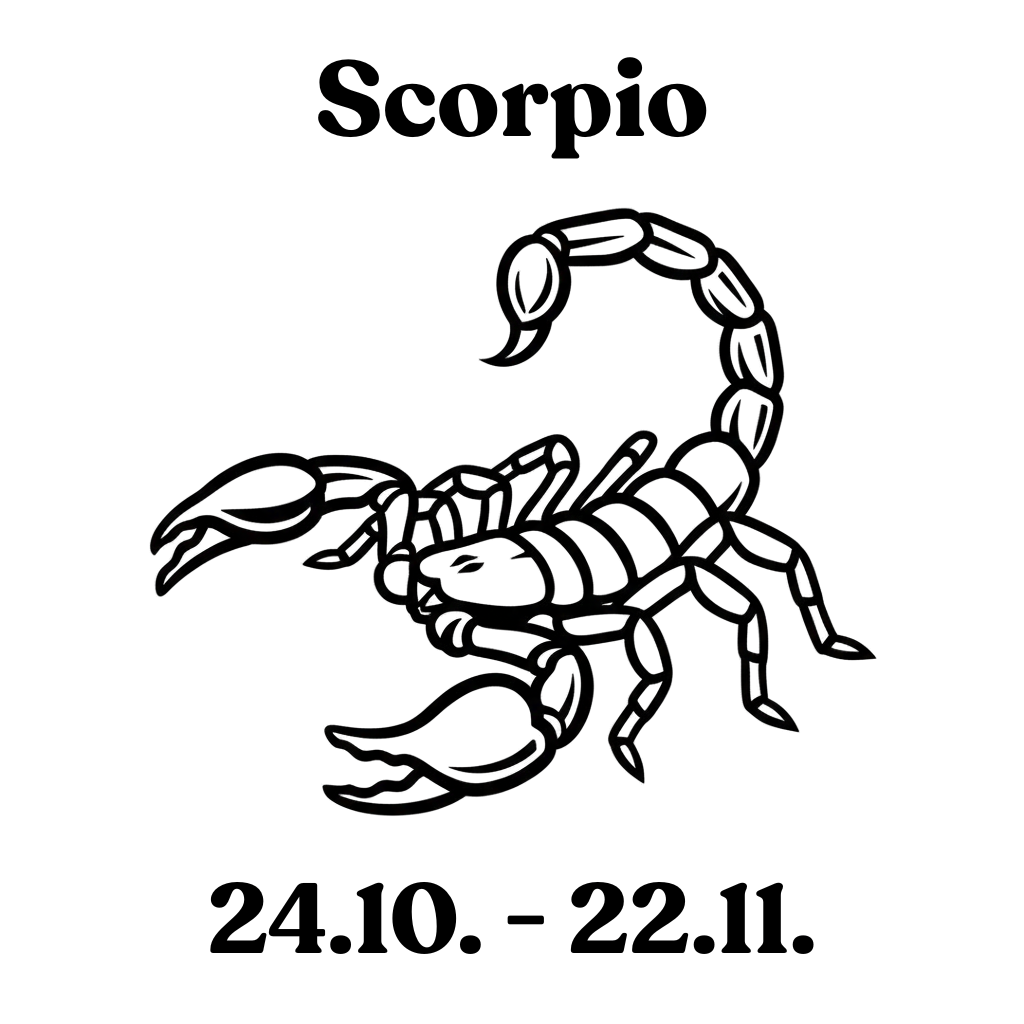
#4 — Scorpio: Scorpio’s moral intensity is private, fierce and uncompromising; when they believe something is wrong, their certainty is volcanic. They tend to read motives ruthlessly, and that psychological insight fuels a penetrating moral judgment that feels profound and final. Scorpios don’t moralize for show; their righteousness is part of a deeper code about authenticity and betrayal, which can make them mercilessly corrective.
Their reactions to hypocrisy are disproportionately severe, often feeling like moral verdicts rather than conversations. Close partners may notice Scorpio’s mix of protective zeal and punitive glare when lines are crossed.
This sign’s self-righteous moments are rarely loud — they’re calculated, lasting, and capable of changing how someone is seen within a social circle. Scorpio’s certainty springs from depth more than vanity.

10–12: Ideological, Immediate, and Meticulous — Cold Certainty to Absolute Moral Superiority
#3 — Aquarius: They often believe they see the big picture and can adopt a moral posture that’s both idealistic and aloof, as noted in the *Aquarius Dark Side* discussion. They’re inclined to promote progressive ideals and can be morally ideological when convinced a system is unjust, arguing principles more than personal specifics. Pride in being ahead of the curve can easily slip into condescending dismissal of anyone who resists change, and that dismissive streak is often justified internally as necessary for progress.
Their criticism is delivered with a cool, rational tone that intensifies the sense of superiority, and they sometimes assume emotional reactions are irrelevant to ethical debates. Motivated by a genuine wish to reform, they may nonetheless overlook how their delivery wounds allies, creating unintended distance.
In a concrete example, an Aquarian insisting a friend “should” adopt a new activism approach might lecture rather than listen, prompting defensiveness. That detachment makes their moral certainty feel cold and uncompromising to friends and family.
#2 — Aries: Aries can be fiercely sure of their moral position, often because their instincts push them to act immediately and decisively — a tendency explored in *Aries Dark Side*. When an Aries decides something is right or wrong, they often behave as if the verdict is already settled, bringing immediate moral pressure to situations. Their directness becomes moral intensity, and that blunt enforcement can read as arrogance or sanctimony.
Aries will not hesitate to call someone out publicly if they see injustice, using unapologetic language and energetic conviction. They respect courage and honesty, and when others don’t measure up, Aries responds with fiery reprimands.
Their self-righteousness tends to be short-lived but potent, leaving a strong impression when it appears. Because Aries leads with action, their moral certainty is often performed as urgency rather than reflection.
#1 — Virgo: Virgo tops this ranking because their moral superiority is built on precision, standards and an unshakable belief that improvement is both possible and necessary. They judge behavior against a high bar of competence and ethics, using meticulous critique to point out flaws others ignore. Virgo’s corrections are detailed and often framed as helpful, but the underlying tone can be clinically superior, implying that those who err are simply careless or lazy.
They value responsibility and cleanliness in thought and habit, so moral failings become not just mistakes but ethical lapses in need of correction. Virgos can offer solutions, but their insistence on betterment can feel like moral condemnation rather than support, especially when delivered without warmth.
Their self-righteousness is persistent, practical, and often presented as humble service while functioning as judgment. For Virgo, being right isn’t just desirable — it’s a duty.

Conclusion
Across the signs, self-righteousness shows up in different flavors — from quiet, duty-driven correction to theatrical proclamations of moral truth. Some signs lean toward protective or pragmatic judgments that feel personal, while others adopt ideological or intellectual stances that read as superior. The ranking reflects how each sign typically expresses certainty: whether through emotion, duty, intellect, pride, or intensity.
If you see yourself near the top, consider how your convictions impact relationships; if you’re lower down, notice when quiet standards still communicate moral judgment. Ultimately, awareness of these tendencies is the first step toward balancing conviction with humility so moral passion strengthens rather than fractures your connections.
Cosmic Highlights
FAQ
How did you decide which signs are more self-righteous?
This ranking is based on common astrological tendencies—how each sign typically processes values, conflict, and correction. It weighs factors like pride, stubbornness, principled behavior, emotional intensity, and the likelihood of public moralizing. Think of it as a playful synthesis of sign characteristics, not a deterministic label.
Can someone’s birth chart change how self-righteous they are?
Yes. Sun sign tendencies are only one part of a chart. Moon, rising, and placements of Mercury, Mars and Saturn influence temperament, communication style and impulse control, which can amplify or soften self-righteous behavior.
What’s a practical way to temper a self-righteous streak?
Start by listening with curiosity before correcting. Ask questions, acknowledge others’ perspectives, and offer feedback as an invitation to improve rather than a verdict. Small habits like pausing before responding and framing criticism with compassion reduce the sting of moral certainty.