
- This article ranks all 12 zodiac signs by tendencies toward intellectual dishonesty, from least to most likely to twist facts.
- Signs are grouped into four stages that describe why they might dodge the truth, whether from pride, avoidance, strategy, or insecurity.
- Each sign entry explains motivations, typical behaviors, and how people around them usually react.
- Practical context and a few related reads help you learn how signs who avoid the truth might grow or be called out constructively.
Everyone bends the truth sometimes, whether to save face, win an argument, or sidestep conflict. In this ranking we judge how comfortable each zodiac sign tends to be with intellectual dishonesty — the kind of fibs and rationalizations people use when admitting error feels worse than being wrong.
You’ll find signs who rarely dodge facts, those who twist details strategically, and a handful who will fiercely defend a falsehood rather than lose status. This list is playful and based on common astrological tendencies: read it as character color rather than verdict. Ready to see where your sign falls on the spectrum of truth-bending behavior?
Least Likely to Twist Facts: Principled and Straightforward
#12 — Taurus: Taurus tends to value stability and consistency, so outright deception is uncomfortable for them. They’d rather stick to a steady story than improvise a convincing lie, and that can make a Taurus refreshingly reliable in a debate. When they do avoid the truth, it’s often because conflict feels unnecessary and they’d prefer to keep the peace rather than correct themselves publicly.
Taurus can be stubborn, though, so admitting a mistake slowly is part of their process; they may need time to accept an error. Friends usually know a Taurus will eventually own up once the emotional terrain is smoothed.
Their honesty is practical rather than dramatic, and they lean on common-sense reasoning more than rhetorical gymnastics. In short, Taurus prefers consistent facts and practical solutions over clever distortions.
#11 — Cancer: Cancer is deeply emotional and often dodges admissions not to manipulate but to protect feelings, so their intellectual dishonesty tends to be emotion-first. They might reinterpret details to avoid hurting someone or to shield themselves from shame, using selective memory rather than bold lies. This can look like downplaying a harsh comment as “not what I meant” or insisting they “never promised” something when they did, reframing events to keep the relationship intact.
Their motive is usually care, not conquest, which is why the contradiction between truth and comfort feels more like a moral gray area than outright deceit. The consequence is confusion: loved ones sense something off and may respond with empathy, frustration, or guardedness.
When confronted, Cancer may retreat into silence, tearful rationalization, or a softly defensive story. Given time and gentle safety, Cancer will usually surface the truth, but initial evasions can leave others uncertain about what really happened.
#10 — Virgo: Virgo prizes accuracy and can be fiercely particular about facts, which makes their intellect honest in many arenas, but their desire to be right can produce clever rationalizations. When they feel criticized, a Virgo might quietly bend context rather than accept a generalization that bruises their competence; for example, they may insist a missed deadline was technically met if a task was partially completed, shifting blame to ambiguous wording. This sign often uses technicalities and fine print to defend a position, turning a small factual tweak into moral vindication, which can feel like hair-splitting to teammates.
Virgo’s tendency to over-analyze means they can argue from points that are technically true yet misleading, because nuance becomes a shield. The motive is usually self-protection — preserving a self-image of competence — rather than malicious deception.
The consequence is that admiration for their precision can erode into frustration or mistrust if others perceive evasion. If a Virgo is coached to focus on outcomes rather than microscopic correctness, they can practice more straightforward admissions and rebuild credibility.
- Some intellectual evasions are emotional defenses, which ties into our look at the signs that hide emotions better than anyone else for insight on protective secrecy.

Reluctant Rationalizers and Image-Guardians
#9 — Leo: Leo hates being seen as wrong because their identity is tied up with looking confident, so they may prioritize image protection over straightforward admission. When challenged, a Leo can escalate with charm or bravado to distract attention from the error and keep the spotlight, turning the conversation into a performance rather than a correction. Their intellectual dishonesty is performative at times, leaning on grand gestures and persuasive storytelling as a buffer, whether that means dramatizing a minor achievement or redirecting praise to perceived intentions.
Leos genuinely want admiration, so they may couch a falsehood in such charisma that others accept it without digging deeper. A common pattern: they’ll deflect blame onto a glitch or a misunderstood term rather than say “I was wrong,” which protects pride but erodes trust over time.
Close friends who call them out risk defensiveness, because a Leo’s pride makes it feel like an attack on worth, not a request for accuracy. Yet when praise is safely withheld, a Leo who values a relationship will eventually face the truth to preserve the bond, especially if the correction comes from someone they respect.
#8 — Libra: Libra dislikes conflict and seeks balance, and that makes them adept at reframing uncomfortable realities to preserve harmony. They may slant facts to avoid awkward confrontations or to keep both sides appeased, using diplomatic ambiguity rather than outright lying. Libras often believe they’re smoothing social friction, so the dishonesty feels like a kindness instead of a moral failing.
That tendency can be frustrating because what’s unsaid becomes the problem, and others may feel gaslit by the omission. A common example is a Libra softening a critique at work—downplaying a missed deadline to avoid tension, which later causes confusion about expectations.
Their motive is usually fear of discord and a genuine wish to keep relationships intact, but the contradiction is clear: short-term calm can create long-term mistrust. Teaching a Libra that clear boundaries sometimes improve harmony helps them curb the impulse to spin narratives.
#7 — Capricorn: Capricorn’s ambition and reputation-conscious nature mean they may tactically minimize facts that threaten a goal. They’re not dramatic liars, but they can be selective about which details to highlight so that their competence remains intact. Capricorns often view honesty through a professional lens—truth as reputation management—and they may rationalize small deceptions as necessary for long-term plans.
This pragmatic approach can look like omitting an inconvenient metric in a quarterly report or framing a setback as a deliberate pivot, rather than owning a mistake. Their self-discipline makes these evasions efficient: short, strategic, and intended to protect a career or legacy. The consequence is that colleagues might admire their outcomes but quietly resent the opaque maneuvers and mistrust builds over time.
Capricorns respond well to accountability systems that reward transparency, which reduces the temptation to fudge details for perceived progress. When given clear incentives and external checks, they often choose straightforwardness because a clean record serves their goals better.

Deflectors, Fast Movers, and Verbal Strategists
#6 — Pisces: Pisces prefers soothing narratives and can reshape facts to match how they wish things had gone, so their intellectual dishonesty is often imaginative and protective. They aren’t usually aiming to deceive for power; instead they use softened versions of events to avoid pain or to keep hope alive, such as retelling a breakup as a mutual drift rather than confronting betrayal. That tendency can slide into self-deception when Pisces convinces themselves of a version of events that feels kinder than reality, creating a private storyline they defend with sincere emotion.
Friends may sense inconsistency because Pisces’ stories shift to preserve a romantic or consoling outlook, which can erode trust if it happens repeatedly. The motive is often fear of conflict or hurting others, not malice, and the consequence is confusion and occasional frustration among close ones.
When gently encouraged to face reality in small steps, Pisces can balance compassion with clarity rather than clinging to comforting untruths. Their creativity is a double-edged sword: inspiring and occasionally misleading, and when paired with honest reflection it becomes a force for empathy rather than evasion.
#5 — Aries: Aries hates losing. When admitting a mistake feels like surrender, an Aries can turn to fast, forceful rebuttals that reframe the record rather than concede. Their instinct is to protect momentum, so they may escalate an argument with confident assertions that conceal a weaker factual base.
Aries’ intellectual dishonesty is energetic and immediate: blunt retorts, quick corrections, and sometimes overclaiming to steer the conversation. Because they move fast, they can later realize the error and either apologize or double down depending on pride and mood. In practice this looks like interrupting a meeting to correct a statistic with a decisive-sounding figure, only to find out the data was misread; the immediate reaction is to defend the claim or shift focus to another point.
That contradiction—admiring decisiveness while occasionally sacrificing accuracy—creates predictable consequences: short-term advantage at the risk of long-term credibility. Channeling that boldness into owning mistakes quickly helps Aries maintain credibility.
#4 — Gemini: Gemini is verbally nimble and intellectually curious, which makes them exceptional at framing and reframing information on the fly. Their talent for conversation can tip into intellectual dishonesty when they prioritize being persuasive over being strictly factual. Geminis may exploit ambiguity and clever wording to steer others without making direct falsehoods, and they enjoy the mental sport of outmaneuvering an opponent.
Motivated by stimulation, approval, or the simple thrill of winning a debate, they sometimes bend context to keep the upper hand rather than admit uncertainty. That contradiction — a genuine search for knowledge mixed with a preference for rhetorical victory — can erode trust over time.
For example, a Gemini might change the framing of a past commitment when talking to different friends to avoid awkwardness. Friends often admire Gemini’s brainpower but become wary when details shift depending on the audience, so encouraging them to value consistency over rhetorical wins helps curb the urge to reshape facts as a game.

Top Offenders: Strategic, Philosophical, and Ideological Twisters
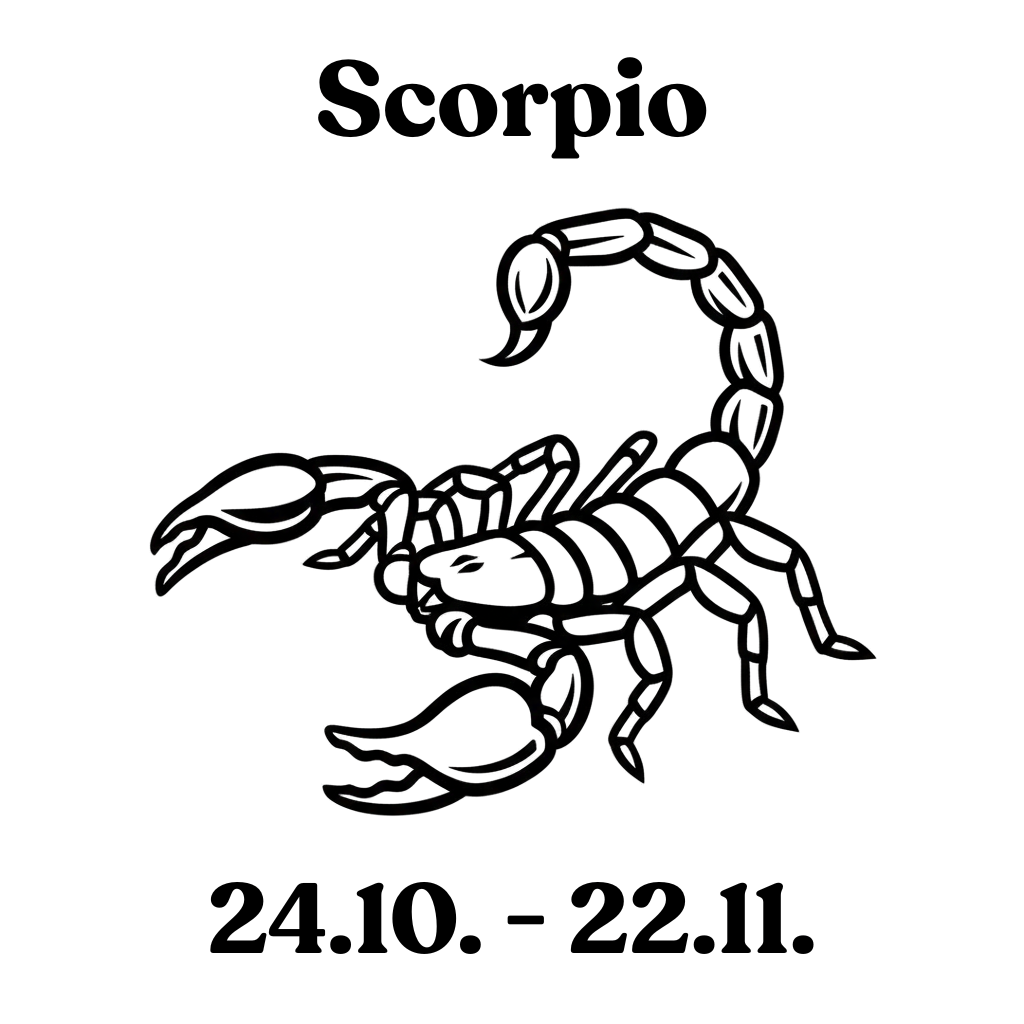
#3 — Scorpio: Scorpio can be relentless in defense of privacy and influence, and that intensity sometimes becomes strategic obfuscation. They’re skilled at reading motives and will cleverly withhold or twist facts to protect a plan or to maintain advantage. Scorpio’s intellectual dishonesty is rarely careless; it’s purposeful and controlled, designed to influence outcomes or protect vulnerabilities.
This can look like selectively telling the truth about a relationship issue, re-framing a financial decision by leaving out details, or redirecting a difficult question to expose someone else’s weakness. The motive is often self-protection or preserving leverage rather than simple deceit, which creates a contradiction between their craving for authenticity and their reliance on secrecy.
Close partners often sense when Scorpio is redirecting truth and may respond with distrust, confrontation, or quiet withdrawal if patterns form. Encouraging honest pressure-release valves and safe disclosure helps Scorpio feel less compelled to manipulate narratives for security, and can rebuild trust before secrecy solidifies into distance.
#2 — Sagittarius: Sagittarius values beliefs and bold narratives, which can make them confident storytellers who sometimes bend facts to fit a philosophy. Their enthusiasm for an argument and desire to avoid being boxed in lead them to reframe evidence so it supports a broader point, whether they’re summarizing a news article or reinterpreting someone’s motives. Sagittarians are often convinced of their worldview, and that conviction turns into intellectual shortcuts: they may skip nuance in favor of a punchy version that serves the lesson.
That punchy version offers an appealing moral even when the data is messy, and the result is a version of events that feels clearer than it actually is. This tendency is motivated more by a love of meaning and clarity than by malice, creating a contradiction where sincerity meets sloppiness.
Friends who care about precision can feel misunderstood, while casual listeners accept the cleaner story. Sagittarius appreciates frankness, so calling them out tightly usually leads to debate rather than denial, and if they care about the relationship most will accept correction and refine their thinking.
#1 — Aquarius: Aquarius ranks highest because of their ease with abstract thinking and ideological framing that can override literal accuracy when convenient. They’re often more invested in making a principle or future-oriented idea land than in preserving every factual detail, so selective emphasis becomes their tool. Aquarians can be charmingly contrarian and will defend a novel interpretation even when it requires stretching the record, leaning on big-picture narratives to justify smaller inaccuracies.
That tendency is motivated less by malice than by a conviction that the end—social change, innovation, or a new perspective—justifies a looser relationship with the facts. The contradiction is that their detachment from personal consequence sometimes makes it easy to rationalize intellectual dishonesty as a service to innovation, which frustrates friends who prefer precision.
For example, an Aquarian might reshape survey results to make a reform look inevitable, believing the narrative will mobilize support. When Aquarians integrate accountability with their idealism, they can become persuasive leaders without sacrificing truth, but until then their slippery logic invites skepticism.

Conclusion
Across the zodiac there are different motives for intellectual dishonesty: some signs dodge truth out of fear or protection, others because image and ambition matter more than admission, and a few because verbal agility or conviction make facts feel flexible. This ranking groups signs not to shame them but to illuminate common patterns — whether that looks like diplomatic omission, defensive spin, or strategic reframing.
Understanding the why makes it easier to respond constructively: offer safety for the emotionally avoidant, accountability for the reputation-conscious, and a reality-check for the rhetorically skilled. Everyone can learn to prefer clarity over cleverness, especially when relationships and trust are at stake.
Cosmic Highlights
FAQ
Is this ranking definitive for everyone born under a sign?
No. This ranking highlights common astrological tendencies and playful stereotypes; individual behavior is shaped by upbringing, values, and the full natal chart, so signs are starting points rather than destiny.
How can someone curb a tendency to twist the truth?
Start by noticing the motive—shame, pride, avoidance, or gain—and practice small, low-stakes admissions to build comfort; creating accountability structures and inviting gentle feedback also helps improve honesty over time.
Are some types of dishonesty considered ‘better’ than others?
Context matters: white lies for kindness differ from strategic deception for advantage. The healthier route is transparency balanced with empathy, where truth-telling aims to respect others rather than harm or manipulate.