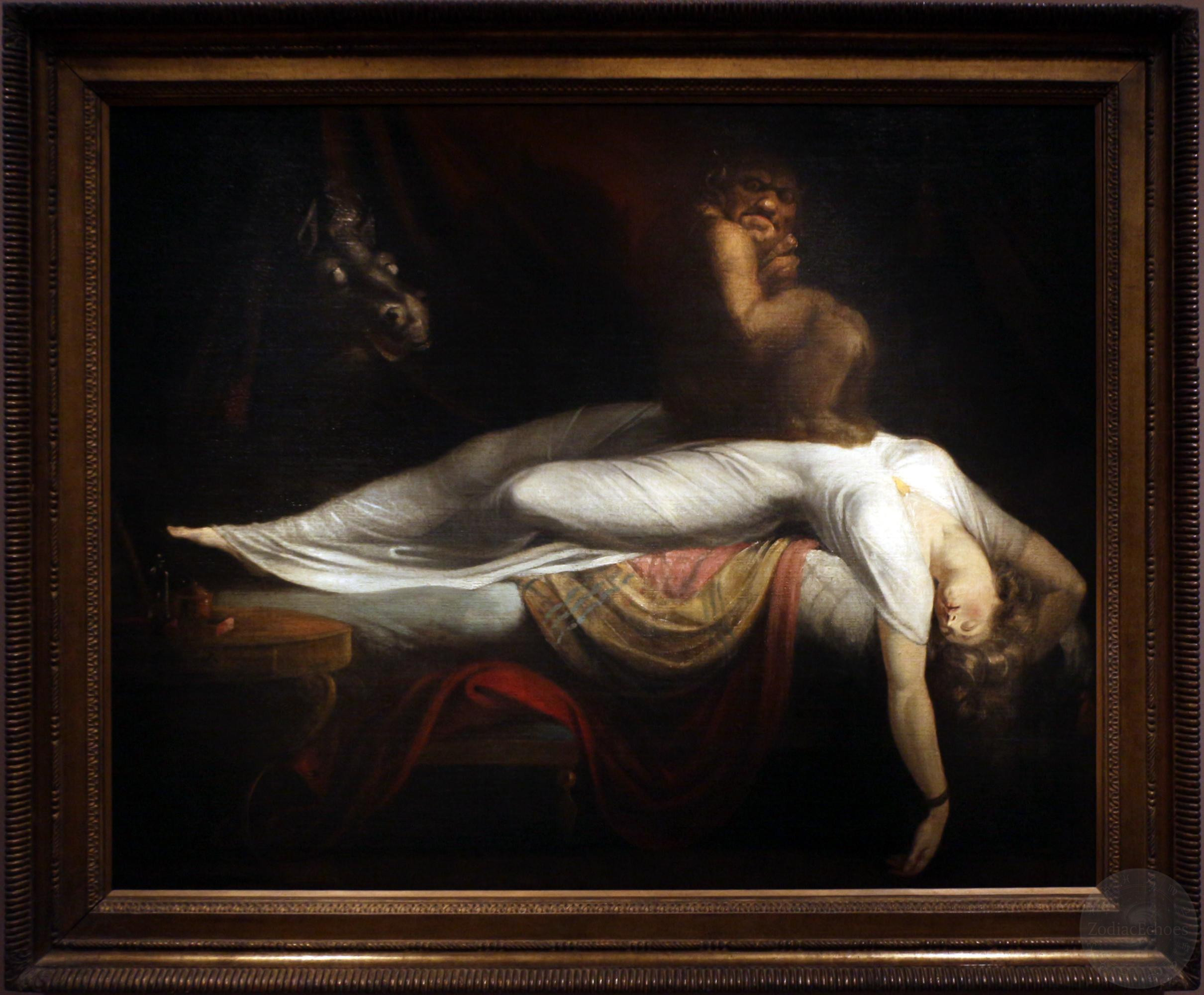
- Incubi and succubi were supernatural creatures believed to visit sleeping people and engage in intimate encounters.
- Medieval demonologists associated erotic dreams with temptation, witchcraft, and demonic interference.
- Some historical traditions suggested that demons could become dangerously attached to their human lovers.
- Sleep paralysis and vivid sensory hallucinations may explain many experiences attributed to supernatural nocturnal visitors.
Imagine waking in the middle of the night with the unmistakable sensation that someone is sharing your bed. You feel another presence, perhaps even the sensation of being touched, yet you cannot move or speak.
For centuries, experiences like these were interpreted as encounters with mysterious supernatural beings. Some were described as terrifying attackers, while others appeared as irresistibly attractive lovers. Known as incubi and succubi, these creatures occupied a disturbing territory between human desire, religious fear, and the supernatural.
The Demons That Entered Human Bedrooms
In European demonology, an incubus was generally described as a male demon that visited sleeping women, while a succubus assumed a female appearance and approached men.
Their names originated from Latin expressions associated with lying upon or beneath another person. Unlike many supernatural creatures, these demons supposedly used physical attraction and sexual desire as instruments of temptation.
Some traditions portrayed them as beautiful strangers capable of concealing their true nature. Others described encounters involving an oppressive weight, frightening faces, and the inability to escape.
The distinction between pleasure and terror was not always clear. An encounter that began as an erotic dream could supposedly develop into a frightening visitation.
When Erotic Dreams Became a Spiritual Danger
In medieval Christian Europe, sexuality outside accepted religious boundaries was frequently associated with temptation and sin. Erotic dreams presented a particularly complicated theological problem because they occurred without conscious intention.
Could a sleeping person be morally responsible for experiences they had not deliberately chosen?
Medieval theologians debated the origins of such experiences. Some attributed them to bodily processes or ordinary imagination, while others entertained the possibility of demonic intervention.
The late fifteenth-century witch-hunting treatise Malleus Maleficarum discussed alleged sexual encounters between humans and demons extensively. Its authors incorporated these beliefs into a wider system of accusations involving witchcraft, forbidden sexuality, and supernatural corruption.
Could Demons Become Obsessed With Human Lovers?
One of the most unsettling aspects of incubus and succubus folklore was the possibility of repeated visitations. Rather than disappearing after a single encounter, a supernatural lover might supposedly return night after night, developing an attachment to a particular person.
Such encounters were sometimes associated with exhaustion, declining health, and an increasing inability to escape the creature’s influence. The supernatural lover became a dangerous embodiment of desire itself: attractive enough to invite fascination, yet threatening enough to inspire lasting fear.
Within some religious traditions, prayer, sacred objects, and protective rituals were believed to offer relief from these unwanted encounters.
The Woman Who Believed the Devil Was in Her Bed
In 1664, Dutch physician Isbrand van Diemerbroeck published a remarkable medical account concerning a woman who experienced frightening nocturnal episodes. She believed that the devil, an animal, or an intruder was pressing against her body. During these encounters, she struggled to breathe and found herself unable to move.
Her husband sometimes heard the distressed sounds she attempted to make. The physician identified her condition as the incubus, or nightmare. Today, her description is considered an early clinical account of experiences consistent with sleep paralysis.
Why People Still Experience Demonic Visitations Today
Modern sleep research offers a fascinating explanation for many encounters resembling traditional incubus and succubus legends.
During REM sleep, most voluntary muscles are temporarily inhibited. If consciousness returns before this condition ends, a person may become aware of their surroundings while remaining unable to move.
These episodes can involve highly realistic visual, auditory, and tactile hallucinations. Some people report mysterious figures, intimate sensations, pressure on their bodies, or the unmistakable feeling that another being is present.
Cultural expectations can influence how these experiences are interpreted, transforming similar sensations into encounters with witches, ghosts, demons, or other mysterious entities.
Conclusion
The legends of incubi and succubi reveal an enduring connection between sexuality, vulnerability, and humanity’s fear of the unseen. Although modern science can explain many features of these encounters, their emotional intensity continues to fascinate people across cultures.
Perhaps the most unsettling mystery is not whether demons enter our bedrooms, but how convincingly the sleeping mind can create the sensation of an intimate presence that feels entirely real.
Cosmic Highlights
FAQ
What is the difference between an incubus and a succubus?
Traditionally, an incubus is a male demon believed to visit sleeping women, while a succubus is a female demon believed to visit sleeping men.
Were erotic dreams considered evidence of witchcraft?
Some medieval and early modern demonologists interpreted alleged sexual encounters with supernatural beings within the framework of witchcraft. However, erotic dreams alone were not universally considered evidence of witchcraft.
Can sleep paralysis cause intimate sensations?
Yes. Sleep paralysis and sleep-related hallucinations can involve tactile sensations, including the impression of being touched or experiencing an intimate encounter.
Are incubi and succubi connected to Lilith?
Later Jewish folklore portrays Lilith as a dangerous nocturnal supernatural figure. Her mythology shares several characteristics with European succubus traditions.
Do people still report encounters with incubi and succubi?
Yes. Experiences resembling historical descriptions continue to be reported, although many are consistent with sleep paralysis and other sleep-related phenomena.