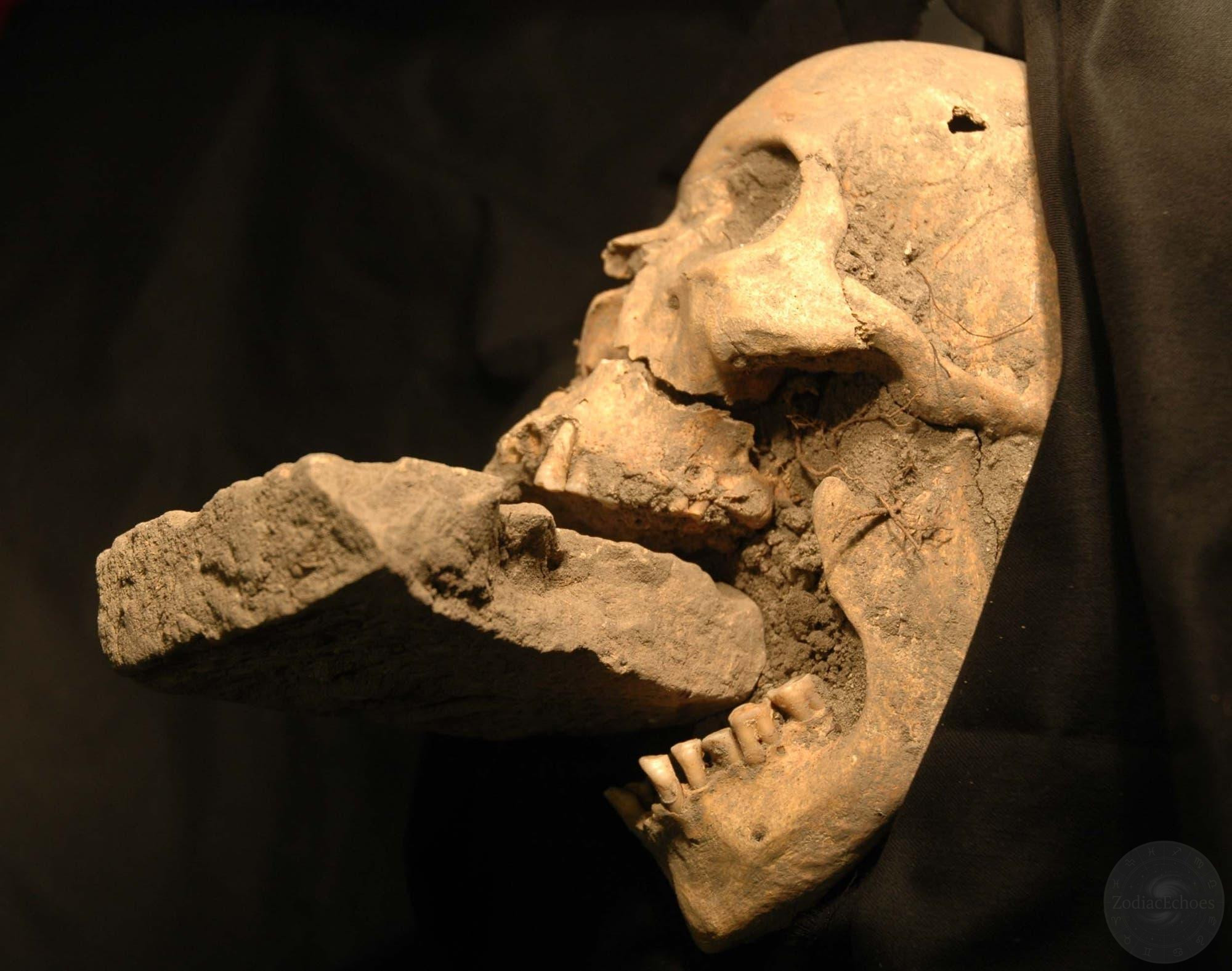
- In 2006, archaeologists discovered a woman’s remains in a Venetian plague cemetery with a brick lodged between her jaws.
- Forensic researchers interpreted the unusual burial as evidence of a ritual intended to neutralize the undead.
- European folklore associated mysterious activity inside graves with the continued spread of deadly epidemics.
- Modern facial reconstruction has given a human face to the woman informally known as Carmilla.
In 2006, archaeologists investigating a mass burial site on the Venetian island of Lazzaretto Nuovo uncovered something deeply unsettling. Among the remains of plague victims lay the skull of a woman whose mouth contained a large brick.
The object held her jaws apart, creating one of the most disturbing archaeological discoveries associated with European vampire folklore. Researchers believe the burial dates to the devastating plague epidemic of 1576.
A Grave Among the Plague Victims
During recurring outbreaks of plague, Venetian authorities used islands within the lagoon to isolate potentially infected individuals and manage the consequences of epidemics. Lazzaretto Nuovo became part of this system. Centuries later, archaeological investigations revealed human remains buried during successive outbreaks.
Forensic specialists Matteo Borrini and Emilio Nuzzolese examined the unusual female burial. Their investigation, published in 2010, concluded that the brick had probably been deliberately positioned inside the woman’s mouth as part of a symbolic ritual.
The Dead Who Chewed Their Burial Shrouds
European supernatural traditions once described a particularly disturbing type of undead creature known in German folklore as the Nachzehrer. Unlike the familiar vampire of modern fiction, this creature could supposedly harm the living without physically leaving its grave. It was believed to consume its burial garments while bringing illness and death to surviving members of the community.
Natural changes occurring during decomposition may have reinforced these beliefs. Fluids emerging from the mouth, changes in facial appearance, and deterioration of burial fabrics could acquire frightening supernatural interpretations.
Why the Brick Was Placed Inside Her Mouth
Historical beliefs concerning the chewing dead included methods intended to interrupt their supernatural activity. Obstructing the mouth with a solid object supposedly prevented the deceased from continuing to consume the burial shroud.
Researchers connected this tradition with the Venetian discovery. The positioning of the brick and the archaeological circumstances led them to interpret the burial as a possible attempt to neutralize a suspected revenant.
Behind the ritual lay a terrifying conviction: a person who had already died might still be responsible for the deaths of others. For communities experiencing repeated epidemics, such beliefs offered an explanation for suffering that appeared impossible to control.
Giving the Vampire a Human Face
The anonymous woman eventually became known informally as Carmilla, a name associated with vampire literature. Forensic specialists reconstructed her facial appearance, transforming the disturbing archaeological discovery into the recognizable likeness of a human being.
In 2024, facial reconstruction specialist Cicero Moraes presented another approximation of her appearance. His work also explored whether an object of comparable dimensions could have been introduced into the mouth after death.
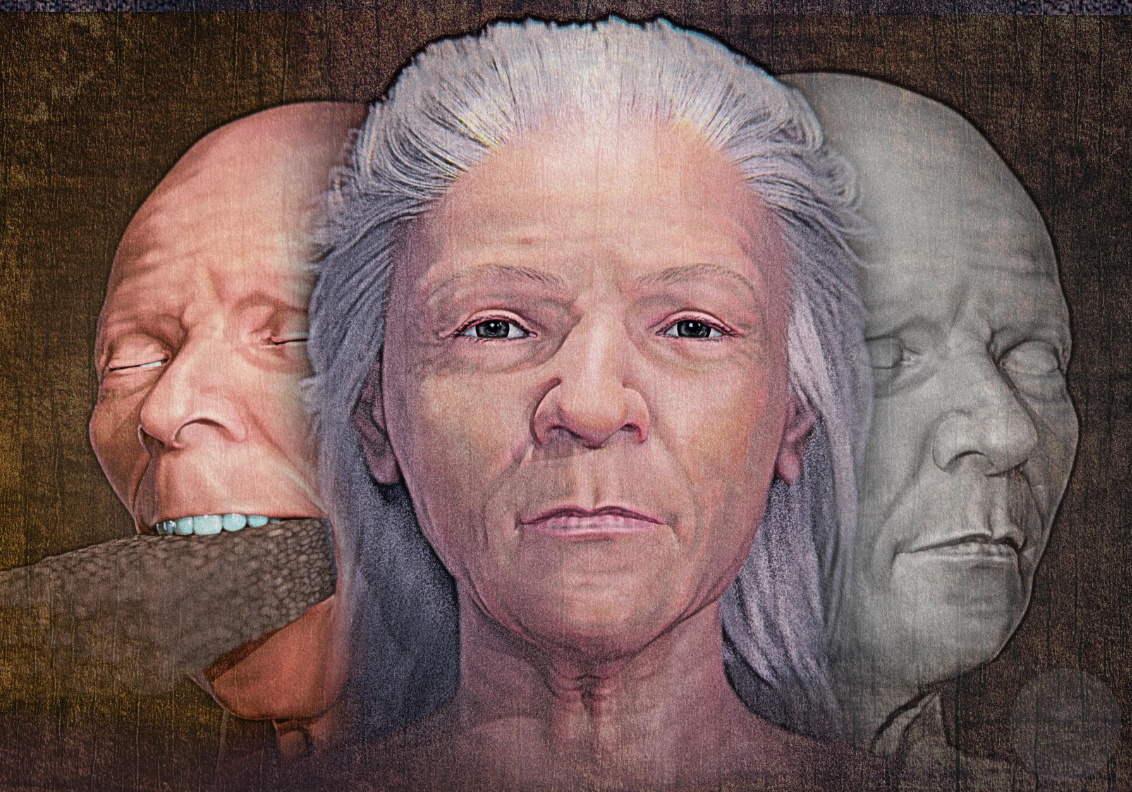
The woman’s reconstructed face provides a powerful contrast to the supernatural reputation attached to her remains. Behind the legend was an individual whose identity and personal history have largely disappeared.
Conclusion
The discovery at Lazzaretto Nuovo reveals how deeply supernatural beliefs could influence the treatment of the dead during periods of collective catastrophe. Centuries after the Venetian plague, the brick between Carmilla’s jaws remains a disturbing physical reminder of a time when death itself offered no guarantee of peace.
Cosmic Highlights

FAQ
When was the Vampire of Venice discovered?
Her remains were discovered in 2006 during archaeological excavations on Lazzaretto Nuovo island.
Why was a brick placed in her mouth?
Forensic researchers interpreted its placement as a possible protective ritual associated with historical beliefs about the undead.
What was a Nachzehrer?
A supernatural creature believed to remain inside its grave while consuming its burial garments and causing harm to the living.
What was the woman’s real name?
Her original identity remains unknown. Carmilla is a modern informal name associated with the discovery.