
Long days, warm evenings, blooming meadows, and ripening fields. Our ancestors did not see summer only as a season of work, but also as a time full of magic, hope, and rare moments. They believed that nature was at its strongest during these months and could help people find love, health, luck, and protection.
Many summer customs were passed down from generation to generation for hundreds of years. Some have survived until today, while others are slowly disappearing from memory. Still, they carry a special kind of magic that is worth remembering.
Morning Dew as a Gift of the New Day
Before sunrise, women and girls would walk barefoot into the meadows. People believed that summer dew had extraordinary power.
They washed their faces with it for freshness and beauty, walked through it barefoot for good health, and in some places rubbed it onto their hands so their work would go well throughout the year.
According to tradition, dew was especially powerful around Midsummer and St. John’s season, but it was valued throughout the summer. Similar ideas appear in weather folklore too. In older farming traditions, dew was often watched as a sign of coming weather, and American almanac lore connects June dew with rain and harvest signs.

Herbs Were Never Picked Without Thanks
Our ancestors did not see herbs only as healing plants. They believed every plant had its own spirit and deserved respect. That is why medicinal herbs were collected quietly, often early in the morning or in the evening.
Many people thanked nature before picking a plant. It was believed that only then would the herb keep its strength. St. John’s wort, yarrow, thyme, mullein, and chamomile were among the popular herbs that were dried and stored for the whole year.
In European Midsummer traditions, herbs gathered around the solstice were also believed to carry special protective and healing power; common examples included St. John’s wort, mugwort, vervain, and rosemary.
Wildflower Wreaths Protected the Home
Summer wreaths were not only beautiful decorations. They were woven from flowers, grasses, and herbs, then hung above the door or inside the home.
People believed they protected the household from misfortune, attracted abundance, and brought peace to the family. In some places, the wreath was kept until the next summer, when it was ritually burned and replaced with a new one.
The circle itself symbolized protection, continuity, and the returning rhythm of nature.
Fire Symbolized Cleansing and a New Beginning
During summer celebrations, people often lit fires. These were not only social gatherings. Fire represented the power of the sun, life energy, purification, and renewal.
Jumping over the fire was believed to bring health, courage, and luck. Young couples believed that if they jumped over the flames together without letting go of each other’s hands, their love would last for many years.
Midsummer bonfires were also known in many European and Anglo-American folk traditions. They were believed to protect crops and livestock, bring luck in love, cleanse sickness or misfortune, and strengthen the power of the sun.

Wells Were Places of Wishes
Clean springs and wells were among the most respected places in old folk belief. People came to them to give thanks, pray, or quietly make a wish. Water was believed to cleanse not only the body, but also the mind, helping old worries flow away.
In some regions, people decorated wells with flowers or green branches as a sign of gratitude to nature. A well was more than a source of water. It was a sacred place where the living world seemed to meet something deeper and more mysterious.
Searching for Treasure on Summer Nights
According to old legends, during certain summer nights, rocks and hills briefly opened and the earth revealed hidden treasures. The place where treasure was hidden was said to be marked by a mysterious light or a bluish flame.
Brave people went into forests and onto hills hoping to discover something extraordinary. But the treasure was not always gold. Many legends say that the greatest treasure could be wisdom, happiness, or a new path in life.
Secret Wishes Were Whispered to Trees
Trees have long symbolized strength, stability, and long life. People leaned against them, embraced their trunks, or whispered wishes into their bark.
They believed that nature could give a person strength and courage to continue. Even today, many people say they find the deepest peace in the forest. Perhaps this is one of the quiet echoes of these old traditions.

Fireflies as Messengers of Summer Rain
In American folk traditions, fireflies were not only a beautiful sign of summer evenings. People also watched their behavior as a clue to the coming weather. When fireflies flew low in the grass or appeared in unusually large numbers, some old beliefs said rain could be on the way.
For farmers and families living close to nature, these small glowing insects were part of the summer language of the land. Their light was not seen only as decoration, but as a quiet sign that the air, humidity, and weather might be changing.
Morning Dew and the Promise of a Clear Day
Morning dew also appears in American weather folklore. A heavy layer of dew on the grass was often believed to mean that the day ahead would be clear, dry, and warm. For people who worked in fields and gardens, this was a useful sign before modern forecasts became part of everyday life.
Just like in older European summer traditions, dew was connected with the freshness of the new day. It reminded people that nature speaks in small details — in wet grass, quiet mornings, insects, wind, and light.
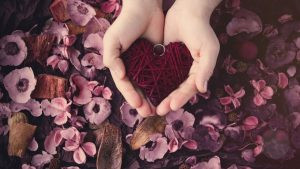
Summer Was a Time of Joy and Gratitude
Our ancestors knew how to notice the beauty of ordinary things: blooming meadows, birdsong, ripening fields, and evenings spent under the stars. Many Summer Superstitions remind us that happiness often begins with slowing down, going outside, and paying attention. Perhaps that is why old summer beliefs still attract us today.
They are not only about magic or superstition. They tell us about a time when people were more connected with nature and able to feel its rhythm. And maybe that is where their greatest magic truly lives.
Cosmic Highlights

FAQ
What are Summer Superstitions?
Summer Superstitions are old folk beliefs and traditions connected with the summer season, nature, health, love, harvest, protection, and luck.
Why was morning dew considered magical?
Morning dew was believed to carry the fresh power of a new day. People used it for beauty, health, and good fortune, especially around Midsummer.
Why were herbs important in summer traditions?
Herbs were believed to be strongest during summer, especially around the solstice and St. John’s season. They were gathered for healing, protection, and household rituals.
What did summer bonfires symbolize?
Summer bonfires symbolized the sun, purification, courage, renewal, and protection. Jumping over fire was often believed to bring luck and health.
Are there American summer superstitions?
Yes. American weather folklore includes summer signs connected with dew, fireflies, rain, wind, crops, and harvest. These traditions helped people read nature before modern forecasts.
Why do old Summer Superstitions still feel meaningful?
They remind us to slow down, notice nature, and feel more connected to the seasons, the land, and simple everyday rituals.