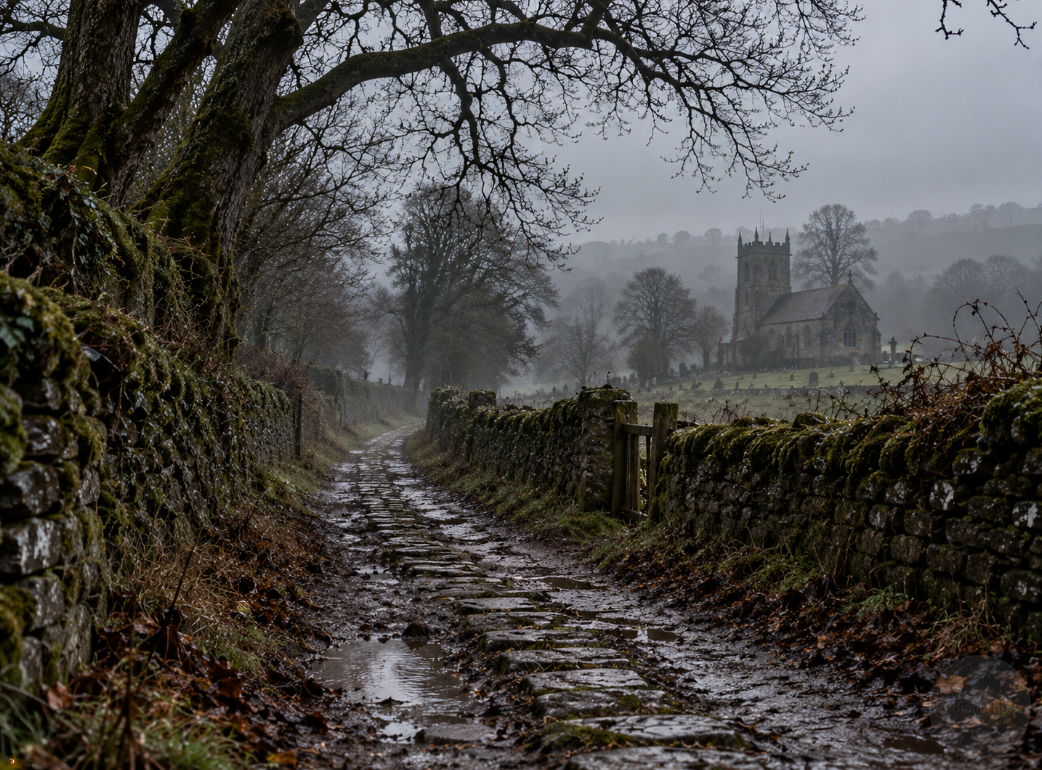
- The Roads of the Dead: Corpse roads were historic routes used to transport bodies from remote settlements to burial grounds.
- A Difficult Final Journey: Funeral parties sometimes carried coffins across hills, moorlands, rivers, and isolated countryside.
- Ghostly Folklore: Some routes became associated with spirits, supernatural warnings, and unusual funeral customs.
- Coffin Resting Stones: Certain paths featured places where bearers could temporarily put down their heavy burden.
- Still Visible Today: Some historic routes survive as footpaths, landscape features, and names on modern maps.
The Forgotten Roads That Once Carried the Dead
Across the British countryside, there are old footpaths that appear no different from hundreds of other rural tracks. They cross lonely moorlands, disappear into forests, and wind between villages that have stood for centuries. Yet some of these paths served a purpose far darker than ordinary travel. They were roads used to carry the dead.
Known as corpse roads, coffin roads, burial roads, or lych ways, these routes connected settlements with churches and cemeteries where burials could legally take place. Before modern roads and convenient transport, the final journey of a deceased person could involve miles of difficult terrain, with the coffin carried by relatives, neighbors, or other members of the community.
Imagine a small funeral procession crossing an exposed hillside in heavy rain. The mourners move slowly, carrying a coffin toward a distant church. There are no motor vehicles, no streetlights, and sometimes no easy place to rest.
For centuries, such journeys were part of everyday rural life. Eventually, some of the paths acquired strange reputations involving ghosts, restless spirits, and warnings about the passage of the dead.
Why Did Britain Need Special Roads for Corpses?
The existence of corpse roads was closely connected with the organization of historic burial grounds. Not every village had a church with burial rights. In remote communities, particularly across parts of England, Scotland, and Wales, the nearest suitable cemetery could be several miles away.
This created a difficult problem whenever someone died. The body had to be transported across the countryside, sometimes through landscapes that were challenging even for healthy travelers.
Funeral parties used existing tracks wherever possible, but some routes became strongly associated with the transportation of bodies. Over generations, these journeys helped establish recognizable paths connecting isolated settlements with their traditional burial churches.
Research by Stuart Dunn of King’s College London examines how these routes functioned and how their historical importance became intertwined with local folklore.
The Strange Places Where Coffins Were Allowed to Rest
Carrying a coffin for several miles was physically exhausting. On steep hillsides or exposed stretches of countryside, the bearers sometimes needed to stop and recover. Some historic funeral routes featured coffin stones or resting places, where the coffin could temporarily be placed while the procession paused.
These objects are particularly fascinating because they provide tangible reminders of a practice that otherwise left few physical traces. A stone standing beside a remote footpath might once have witnessed generation after generation of villagers making their final journey.
The stones also create a haunting image. A place that modern walkers might overlook could once have been a regular stopping point for funeral processions, surrounded by grieving families and the silence of the countryside.

Why Did Corpse Roads Become Associated With Ghosts?
The association between corpse roads and supernatural activity developed through local folklore. These routes were connected with death by their very purpose. They also frequently crossed remote landscapes, where darkness, difficult weather, and unfamiliar sounds could make an ordinary journey deeply unsettling.
A road repeatedly used by funeral processions was an obvious setting for stories about spirits and the uneasy relationship between the living and the dead.
Some traditions associated funeral routes with the possibility of supernatural encounters. Stories involving crossroads, river crossings, and the movements of the deceased became part of the wider folklore surrounding death and burial. However, these beliefs were not uniform throughout Britain. Different communities developed different traditions, and not every historical corpse road was regarded as haunted.
The folklore is nevertheless significant enough to have attracted academic attention. Dunn’s research examines corpse paths not merely as practical routes but also as features of the landscape whose meaning was shaped by oral traditions, historical records, and local memory.
The Strange Belief That Carrying a Corpse Could Change a Road Forever
One particularly unusual historical belief concerned the legal status of a route used by a funeral procession. An account published in Northern Notes and Queries in the early twentieth century records a belief that a road along which a corpse had been carried could become a public right of way.
This was described as a popular belief rather than an established legal rule. Nevertheless, it demonstrates how the passage of the dead could be imagined as having lasting consequences for the living. The idea gives corpse roads another mysterious dimension.
According to the belief, a single funeral procession might permanently alter the status of a path, as though the final journey of the deceased left an enduring mark upon the landscape. It also reveals that the anxieties surrounding these roads were not always supernatural. They could involve land ownership, access, local custom, and the rights of communities to move across the countryside.
Where Can You Still Find Britain’s Corpse Roads?
Although their original purpose has largely disappeared, traces of corpse roads survive in several parts of Britain.
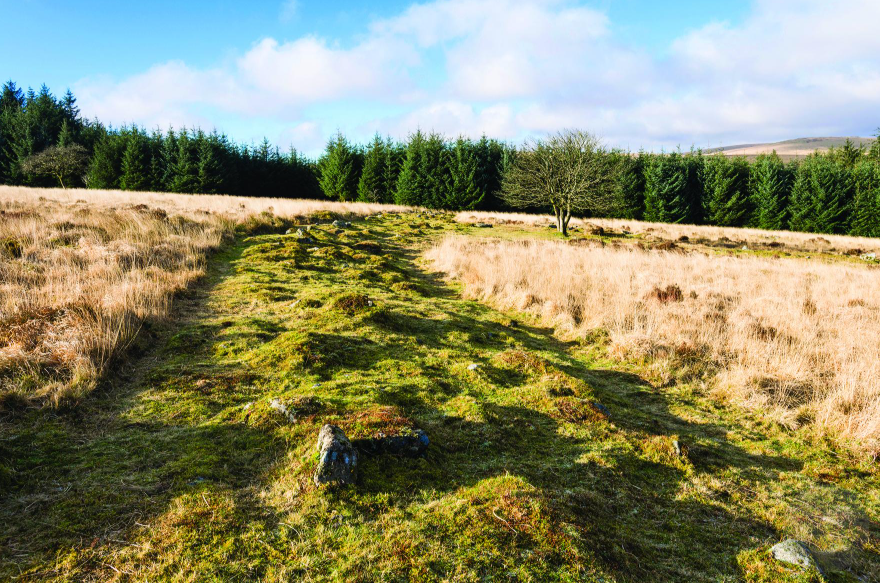
A historic route across Dartmoor associated with funeral journeys from isolated communities toward burial grounds. Its exposed landscape makes it one of the most atmospheric examples.
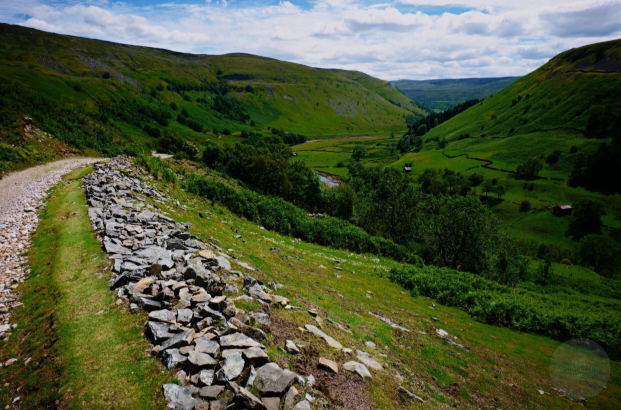
Funeral paths in this northern English landscape have been examined in academic research, illustrating how practical burial routes acquired enduring cultural significance.
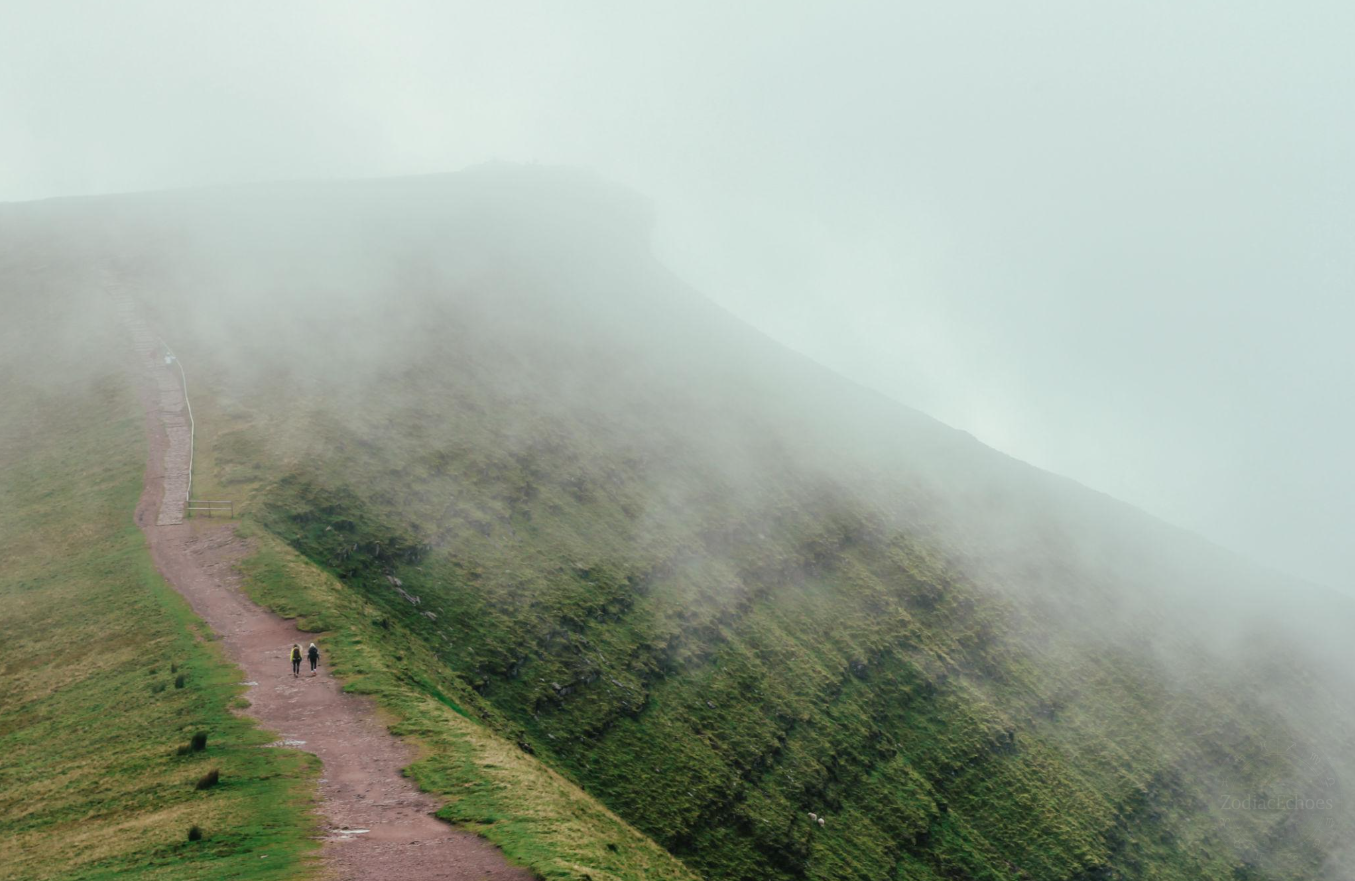
A historic coffin route across challenging upland terrain, associated with the transportation of deceased workers back toward their burial communities.
These routes are particularly intriguing because they can still be experienced as real places rather than merely imagined through old stories. Modern walkers may follow sections of the same countryside paths used by funeral parties centuries ago.
How the Roads of the Dead Disappeared
As Britain’s transport network developed, the practical need for traditional corpse roads gradually declined. Improved roads, changing funeral arrangements, and greater access to burial facilities transformed how communities transported the deceased. Some older tracks were incorporated into newer routes, while others fell out of regular use.
Agricultural enclosure also changed the landscape, sometimes obscuring paths that had previously crossed open land. What survived was often not the road itself, but its name, a local legend, or an isolated stone marking where mourners once stopped.
That fragmented survival is one reason corpse roads remain so intriguing to historians. Reconstructing an exact route may require combining old maps, church records, place names, and oral testimony.
Conclusion
Britain’s corpse roads are among the country’s most unsettling forgotten historical landscapes. For centuries, these paths carried the dead across lonely hills, remote valleys, and isolated moorlands toward their final resting places. Their practical purpose eventually disappeared, but the association with death remained, giving rise to stories about ghosts, spirits, and strange funeral customs.
Today, a peaceful countryside walk may unknowingly follow a route once used by generations of mourners. The road may look ordinary, but its history belongs to the dead.
Cosmic Highlights

FAQ
What Is a Corpse Road?
A corpse road is a historic route used to transport deceased people from settlements to churches or burial grounds. The terms coffin road, burial road, and lych way are also used.
Why Were Corpses Carried Along Special Paths?
Some rural settlements lacked their own authorized burial grounds, meaning funeral parties had to transport bodies to distant churches or cemeteries.
Are Britain’s Corpse Roads Haunted?
Some routes became associated with ghost stories and supernatural folklore, although the traditions vary by location.
Do Corpse Roads Still Exist?
Yes. Sections of historic corpse roads survive as footpaths and rural tracks, while others are preserved through place names, maps, and local historical records.
What Were Coffin Stones Used For?
Coffin stones provided resting places where funeral bearers could temporarily put down a coffin during a difficult journey.
Where Are the Most Famous Corpse Roads in Britain?
Examples include the Lych Way on Dartmoor, historic routes through Swaledale, and coffin roads in parts of Wales and the Scottish Highlands.
Research sources
- Stuart Dunn (2024) – Walking the Whinny-Moor: Corpse Roads and Pre-Funeral Death Rituals in Early Modern England
- King’s College London – Folklore in the Landscape: The Case of Corpse Paths
- BBC Countryfile – Guide to Britain’s Corpse Roads