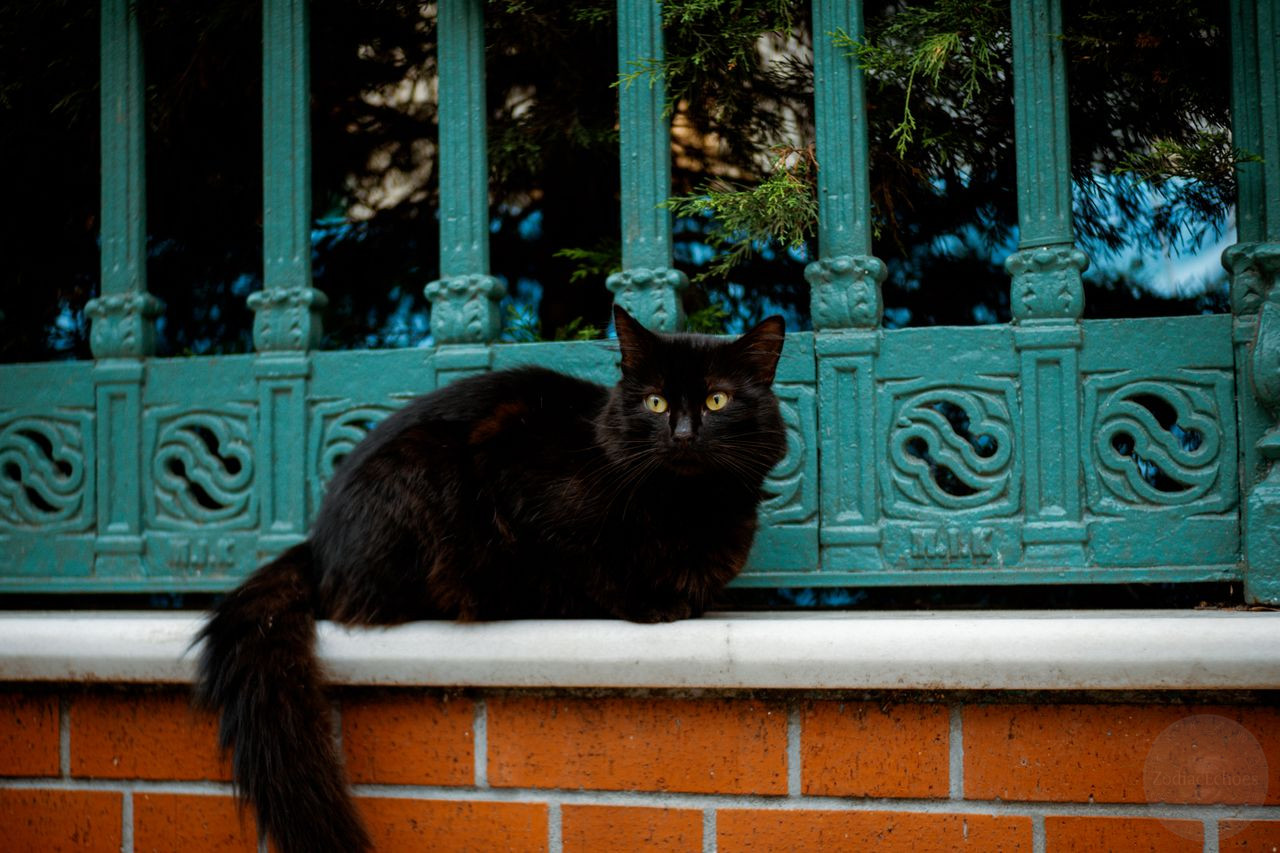
A black cat crosses the road in front of you. Do you keep walking, or does a small part of you wonder whether something unfortunate is about to happen? For centuries, these mysterious animals have been surrounded by stories of witchcraft, supernatural powers, and approaching disaster.
Yet black cats weren’t always considered unlucky. In some cultures, encountering one was believed to bring prosperity, protection, or even romantic success. So how did an ordinary animal become one of the world’s most recognizable symbols of bad luck?
Why Were Black Cats Associated With Witchcraft?
The connection between black cats and supernatural danger became particularly prominent in medieval and early modern European folklore. Cats were independent, active at night, and capable of moving almost silently through dark streets. Their reflective eyes and unpredictable behavior made them easy subjects for mysterious stories.
During periods of intense fear surrounding witchcraft, cats were sometimes described as familiars—supernatural beings believed to assist witches. Black cats became especially associated with these stories because their dark fur reinforced their connection with nighttime and secrecy.
Some legends even claimed that witches could transform themselves into black cats to travel unnoticed. Others suggested that harming a suspicious cat might reveal the identity of a witch. These beliefs were part of folklore and superstition, but they helped establish a frightening reputation that survived long after witch trials disappeared.
Were Black Cats Sacred in Ancient Egypt?
Long before European witchcraft legends, cats occupied an important place in ancient Egyptian society. They were valued for protecting food supplies from rodents and were associated with divine figures, particularly the goddess Bastet. Bastet was connected with protection, domestic life, fertility, and well-being.
Cats appeared in religious imagery, and some were mummified as offerings. However, ancient Egyptians did not specifically regard every black cat as a sacred bringer of good fortune. Their reverence extended to cats more generally, regardless of coat color. This distinction makes the later European association between black cats and evil particularly striking.
Why Is a Black Cat Crossing Your Path Considered Bad Luck?
The superstition that a black cat crossing your path predicts misfortune developed from older associations between cats, witches, and supernatural forces. In some European traditions, encountering a black cat unexpectedly was interpreted as a warning. The animal might supposedly represent a witch, an evil spirit, or an approaching period of bad luck.
But the meaning of the encounter depended heavily on where you lived. In parts of Britain, black cats have traditionally been associated with good luck rather than misfortune. Scottish folklore, for example, includes the belief that an unfamiliar black cat appearing at someone’s home could signal prosperity. The same animal could therefore represent danger in one community and good fortune in another.
Why Are Black Cats Associated With Halloween?
Halloween inherited many of its familiar images from European folklore, including witches, ghosts, mysterious nighttime creatures, and supernatural transformations.
Because black cats were already associated with witches and their supposed familiars, they became natural companions in Halloween illustrations and decorations. Their dark silhouettes were particularly effective against glowing pumpkins, candlelit windows, and autumn backgrounds.
By the nineteenth and twentieth centuries, black cats had become firmly established in popular Halloween imagery, appearing on greeting cards, posters, decorations, and eventually in films. Their modern association with the holiday reflects centuries of storytelling rather than any actual supernatural ability.
Are Black Cats Lucky Anywhere in the World?
Yes. The belief that black cats bring misfortune is far from universal.
In some British traditions, black cats are regarded as lucky, while Japanese folklore includes positive associations between black cats and protection against misfortune. Certain maritime traditions also considered cats, including black ones, fortunate companions aboard ships.
These contrasting beliefs reveal something fascinating about superstition: the meaning of an animal can change completely depending on the culture interpreting it. A black cat walking across the street has no greater influence over your future than a white, grey, or ginger one. Yet the stories surrounding that encounter have traveled across generations.
Conclusion
Black cats became symbols of bad luck largely because of their historical association with witchcraft, darkness, and supernatural folklore. Their mysterious appearance made them memorable characters in stories that continued to evolve for centuries.
But the superstition has never been universal. From ancient Egyptian reverence for cats to European and Asian traditions connecting black cats with prosperity and protection, their reputation has often been surprisingly positive. The next time a black cat crosses your path, remember that the mystery lies in the stories people created around it—not in the animal itself.
Cosmic Highlights
FAQ
Is it really bad luck when a black cat crosses your path?
No. There is no evidence that a black cat crossing your path influences future events. The belief comes from historical folklore and superstition.
Why were black cats associated with witches?
European folklore sometimes described cats as witches’ supernatural companions or claimed that witches could transform into cats. Black fur strengthened the symbolic association with darkness.
Are black cats considered lucky in Japan?
Some Japanese traditions associate black cats with good fortune and protection against misfortune, although beliefs vary.
Did ancient Egyptians worship black cats?
Ancient Egyptians revered cats and associated them with deities such as Bastet, but this respect was not limited specifically to black cats.
Why do black cats appear in Halloween decorations?
Their historical association with witches and supernatural folklore made them popular symbols in Halloween illustrations, decorations, and popular culture.