- A Forbidden Count: Some folk traditions warned that counting stars could bring bad luck.
- The Wart Superstition: In certain European folk beliefs, counting or pointing at stars was associated with developing warts.
- Stars and Human Destiny: Ancient cultures connected the heavens with the fate of individuals and entire civilizations.
- Dangerous Wishes: Nighttime rituals involving stars sometimes came with unusual rules and warnings.
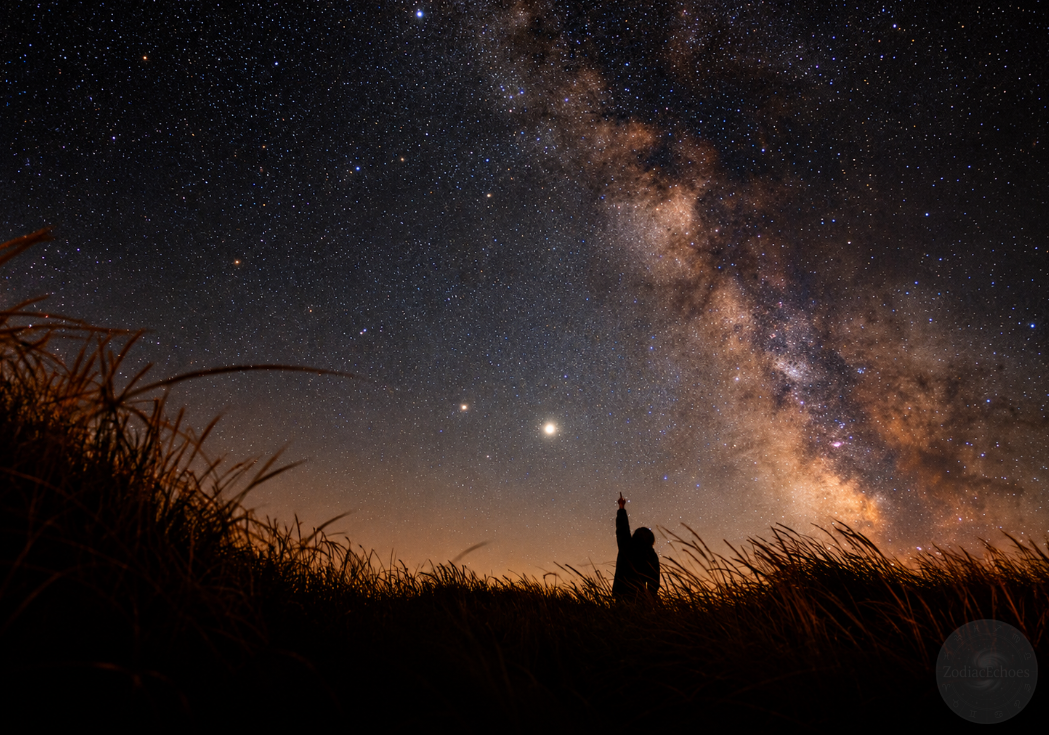
On a clear night, the sky can contain thousands of visible stars. Yet according to certain old superstitions, trying to count them was something you should never do. What seems like an innocent childhood activity was once surrounded by warnings about illness, bad luck, and the mysterious relationship between the heavens and human destiny.
For generations, stars were more than distant points of light. They were imagined as signs of fate, symbols of the dead, and mysterious witnesses to everything happening on Earth. Looking at them could inspire wonder, but treating them carelessly was sometimes considered dangerous.
Why Was Counting Stars Considered Bad Luck?
In some European folk traditions, people were warned against counting the stars because doing so could bring misfortune. One especially curious belief connected the practice with the sudden appearance of warts. Similar warnings sometimes concerned pointing directly at stars, suggesting that even drawing attention to a particular light in the heavens might have unwanted consequences.
The exact rules varied between communities. Some traditions discouraged counting altogether, while others treated particular actions or numbers as unlucky. The underlying fear was that the heavens should be observed with respect rather than challenged or measured casually. These warnings also helped turn the enormous, seemingly uncountable night sky into something mysterious and forbidden.
Were Stars Believed to Represent Human Souls?
Across different cultures, stars have been associated with spirits, ancestors, and the fate of human beings. Some traditions imagined that a new star appeared when a person was born, while a falling star signaled a death or a soul departing. Such interpretations gave ordinary astronomical events an intensely personal meaning.
When the sky was understood as a reflection of human existence, counting its lights could acquire a troubling symbolism. Each star might represent something more significant than a distant celestial object. This did not produce one universal prohibition, but it helps explain why stars became the subject of so many rules, rituals, and supernatural stories.
Why Were Shooting Stars Treated Differently?
Unlike the warnings surrounding star counting, shooting stars became associated with wishes and unexpected opportunities. A sudden streak of light across the darkness seemed like a rare moment when the heavens briefly responded to the person watching below. In popular superstition, making a wish before the light disappeared could supposedly help it come true.
Other interpretations were less comforting. Falling stars were sometimes understood as omens of death, supernatural movement, or dramatic changes in earthly affairs. The same phenomenon could therefore inspire hope in one tradition and fear in another.
What Did Ancient People Believe About the Night Sky?
Ancient Mesopotamian sky-watchers carefully recorded celestial events and interpreted unusual phenomena as possible omens. In later astrological traditions, the positions of stars and planets became associated with rulers, kingdoms, weather, and personal destiny. The heavens were regarded not simply as scenery but as a place where meaningful signs could appear.
These sophisticated systems of observation were different from household superstitions about counting stars. Nevertheless, they shared an enduring fascination with the idea that events above might reveal something about life below. That connection helped the night sky retain its mysterious reputation long after scientific astronomy explained the nature of stars.
Conclusion
The warning against counting stars belongs to a larger world of folklore in which the heavens were filled with omens, ancestral spirits, wishes, and hidden dangers. Although the rules differed from place to place, they transformed a simple act of looking upward into something extraordinary. Even today, the idea that counting stars might bring bad luck adds a strange sense of mystery to an otherwise peaceful night.
Cosmic Highlights
FAQ
Is It Bad Luck to Count Stars at Night?
According to some traditional superstitions, counting stars could bring misfortune or cause warts. These are folklore beliefs rather than established physical effects.
Why Did People Believe Stars Were Connected to Souls?
Stars were sometimes imagined as symbols of ancestors, departed spirits, or individual human destinies. Their distant light made them powerful images in stories about life and death.
Is Pointing at Stars Considered Unlucky?
In certain folk traditions, pointing at stars was discouraged and sometimes linked with warts or other misfortune. The details varied between communities.
Why Do People Make Wishes on Shooting Stars?
A shooting star is a brief and unusual sight, making it a natural focus for wish-making traditions. Its sudden appearance became associated with luck, opportunity, and moments of supernatural possibility.
SEO Description: Why was counting stars at night considered bad luck? Explore strange folklore about warts, human souls, shooting stars, and hidden celestial warnings.