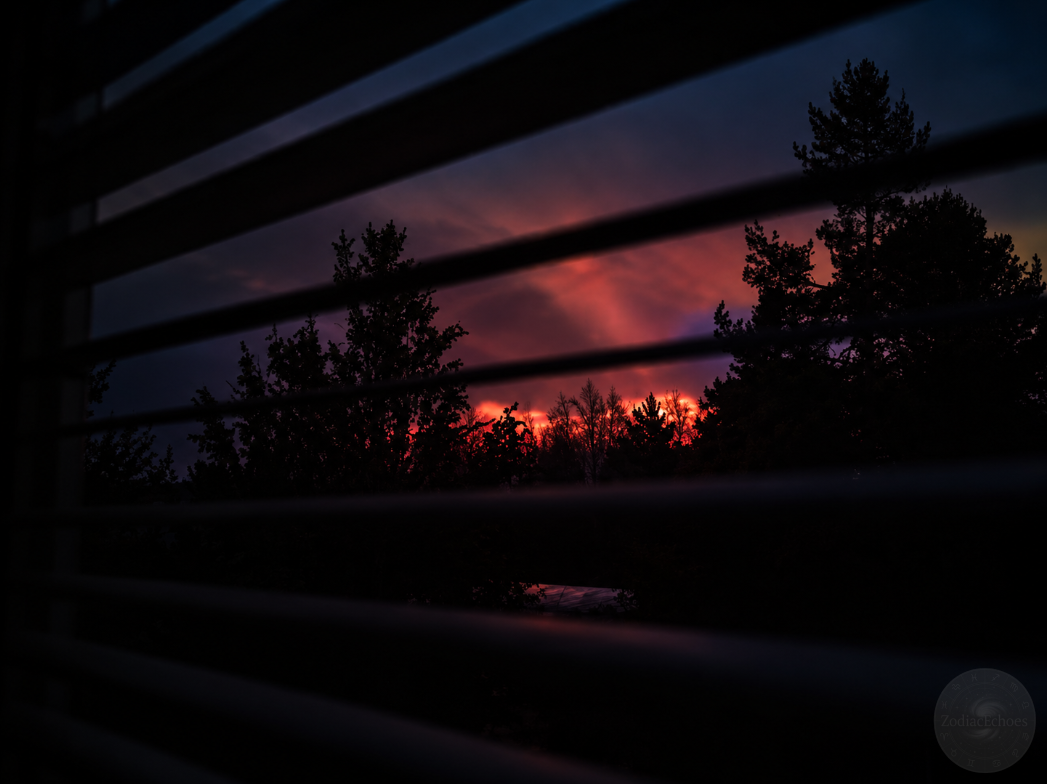
- The Witching Hour: The deepest hours of the night have long been associated with spirits, witches, and supernatural encounters.
- The 3 AM Warning: Modern ghost stories claim that looking outside at this hour can attract unwanted attention.
- Something at the Window: Folklore frequently portrays windows as boundaries between the safety of home and the unknown outside.
- A Disturbing Possibility: The most frightening stories suggest that whatever stands outside may already know you are watching.
Imagine waking at exactly 3 AM. Your bedroom is silent, the street outside is deserted, and something makes you turn toward the window. Perhaps you heard a faint tapping sound. Perhaps you noticed a shadow moving behind the curtains. According to a disturbing modern superstition, looking through a window at this hour is something you should never do.
The warning is simple: if something is standing outside, do not acknowledge it. Some versions of the legend claim that certain supernatural visitors cannot approach until they receive attention. Others suggest that looking directly at them is enough to invite something unwanted into your life.
Why Is 3 AM Called the Witching Hour?
The expression “witching hour” has been associated with supernatural activity for centuries. In older English literature, the phrase described a mysterious period of night when ghosts, witches, and other unnatural forces were imagined to be active. Shakespeare’s Hamlet famously refers to the “witching time of night,” reflecting a belief that darkness offered unusual freedom to the supernatural world.
However, the exact association with 3 AM is largely a later development. Older traditions did not universally identify one particular minute as the most dangerous. Midnight and the hours before dawn both acquired frightening reputations, while modern paranormal storytelling increasingly focused on three in the morning.
In some contemporary interpretations, 3 AM is described as an inversion of sacred Christian symbolism. This explanation is popular in horror culture, although it should not be confused with a universally established historical religious tradition.
Why Were Windows Considered Dangerous at Night?
In folklore, doors and windows frequently represent boundaries between two worlds. Inside the house lies warmth, familiarity, and protection. Outside waits darkness, uncertainty, and whatever might be moving beyond the reach of the firelight.
This contrast helped inspire countless supernatural tales about faces appearing against the glass, mysterious figures watching sleeping households, and unexpected visitors who arrive after everyone else has gone to bed. A window becomes especially unsettling because it allows someone to see inside without necessarily revealing who is standing outside.
The fear becomes stronger when the observer cannot identify the source of a sound. A branch scraping against glass or an unfamiliar reflection can briefly resemble something far more disturbing.
What Happens If You See Someone Standing Outside?
Modern ghost stories often describe a figure standing motionless beyond a bedroom window. Sometimes it resembles an elderly stranger. In other versions, the figure has no recognizable face or appears impossibly close to the glass.
The central warning is not to speak, wave, or open the window. In these stories, acknowledging the visitor supposedly allows it to cross an invisible boundary. A particularly chilling variation claims that the figure disappears the moment you blink, only for its reflection to appear somewhere inside the room.
These details belong to contemporary supernatural storytelling rather than one documented ancient ritual. Nevertheless, they preserve a much older fear: that something outside the home might be waiting for permission to enter.
Why Does Looking Outside at Night Feel So Frightening?
At night, a brightly lit room turns a dark window into a partial mirror. Your own reflection can overlap with objects outside, producing unfamiliar shapes and apparently moving faces. Limited visibility also makes ordinary movements harder to identify.
When someone is already frightened, ambiguous shadows and sounds can seem unusually significant. The imagination supplies details that darkness conceals, transforming a harmless object into something that appears to be watching.
Conclusion
The warning against looking through a window at 3 AM combines older fears surrounding the witching hour with modern legends about supernatural visitors. Its power comes from an ordinary experience: standing inside a familiar room and realizing that you cannot see everything waiting beyond the glass. In the darkest versions of the story, the danger is not discovering something outside. It is discovering that something outside has already noticed you.
Cosmic Highlights

FAQ
Is 3 AM Really the Witching Hour?
Three in the morning is strongly associated with the witching hour in modern paranormal folklore. Historically, supernatural beliefs concerned various late-night hours rather than one universally recognized time.
Why Shouldn’t You Look Through a Window at 3 AM?
According to modern ghost stories, looking outside may attract the attention of a supernatural visitor. The warning is a folklore motif, not a documented physical danger associated with the hour.
What Does a Figure Outside the Window Mean in Folklore?
A mysterious figure at a window often symbolizes an unwanted visitor, an approaching threat, or the boundary between the living world and the supernatural.
Why Do Windows Sometimes Look Like Mirrors at Night?
When the room is brighter than the outdoors, interior reflections become more visible against the dark glass. This can create strange overlapping images that are difficult to interpret.