-
The Sleeping Soul: Some traditional beliefs describe sleep as a time when the soul temporarily leaves the body.
-
The Camera’s Dark Reputation: Early photography inspired fears that a person’s image could capture something of their spiritual essence.
-
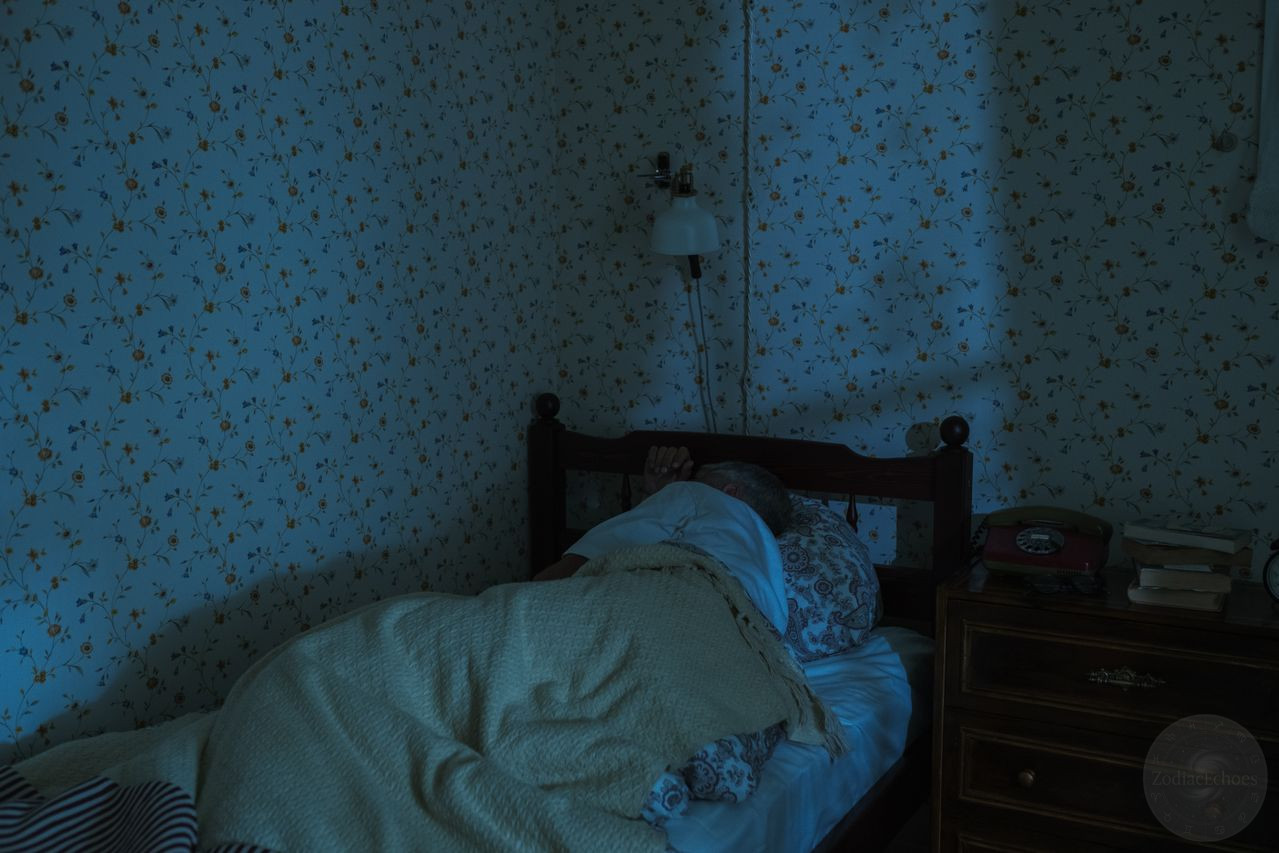
A Dangerous Combination: Photographing someone asleep brings together two powerful symbols of vulnerability.
-
The Victorian Connection: Post-mortem photography helped establish a lasting association between photographs, death, and remembrance.
-
A Forgotten Warning: The fear of photographing sleeping people survives in modern ghost stories and supernatural superstitions.
A sleeping person appears peaceful, unaware of everything happening around them. But according to certain supernatural beliefs, sleep is one of the most vulnerable states a human being can experience. The body remains motionless while the soul may wander beyond its physical boundaries. Now imagine someone approaching that sleeping person with a camera.
In folklore influenced by older beliefs about souls and images, capturing a person’s likeness during sleep could be interpreted as trapping something that was not meant to be taken. The fear combines ancient ideas about the wandering soul with later anxieties surrounding photography.
Why Was Sleep Considered Dangerous for the Soul?
Across various spiritual traditions, sleep has been understood as a temporary separation between the physical body and its spiritual essence. Dreams of flying, visiting distant places, or encountering deceased relatives were sometimes interpreted as experiences of a soul traveling beyond the body.
In certain folk beliefs, suddenly awakening a sleeper could interrupt this spiritual journey, potentially preventing the wandering soul from returning safely. The sleeping body was therefore treated with unusual caution. Disturbing someone at the wrong moment could supposedly interfere with forces that remained invisible to waking people.
Could a Photograph Really Steal Someone’s Soul?
When photography spread during the nineteenth century, its ability to preserve a remarkably accurate human likeness seemed extraordinary. In some cultural encounters, cameras became associated with concerns about spiritual identity, personal power, and the consequences of possessing someone’s image.
However, the familiar claim that entire cultures universally believed cameras stole souls is an oversimplification. Beliefs about photographs differed considerably between communities. The deeper concern was often that an image could establish a powerful connection between the person depicted and whoever possessed the photograph.
In traditions involving sympathetic magic, representations of individuals could be treated as objects carrying a symbolic connection to their subjects. Photographing someone asleep added another disturbing element: the person could neither see the camera nor consciously participate in the creation of their image.
The Strange Connection Between Sleeping Photographs and Death
Victorian photography introduced another unsettling association. During the nineteenth century, families sometimes commissioned post-mortem photographs of deceased relatives, particularly when no other portrait existed.
These photographs served as precious memorials rather than supernatural rituals. Nevertheless, images of deceased people lying peacefully in beds or coffins created a visual connection between sleep, stillness, photography, and death.
This resemblance later became fertile ground for ghost stories. A photograph of someone sleeping could appear almost indistinguishable from a memorial portrait, particularly in dim lighting or when the subject’s face was partially concealed.
Why Does the Superstition Still Survive?
Modern versions of the warning suggest that photographing a sleeping person might capture their wandering soul, disturb their dreams, or attract unwanted spiritual attention. These interpretations belong primarily to supernatural storytelling rather than one universally documented ancient prohibition.
Yet the symbolism remains powerful. Sleep represents vulnerability, while photography preserves a moment that cannot be repeated. Combining the two creates an unsettling idea: a camera might capture someone at a moment when their spiritual defenses are supposedly absent.
Conclusion
The fear of photographing sleeping people brings together ancient soul-travel beliefs, the mysterious reputation of early cameras, and the haunting imagery of Victorian death photography. Although these traditions developed independently, their combination produced a memorable supernatural warning: never capture someone’s image when their soul might be somewhere else.
Cosmic Highlights
FAQ
Why Do Some People Believe Sleeping Souls Can Be Stolen?
Certain spiritual traditions describe sleep as a period when the soul temporarily travels outside the body. Later supernatural interpretations connected this vulnerability with fears about cameras capturing a person’s spiritual essence.
Did People Really Believe Cameras Could Steal Souls?
Some communities expressed spiritual concerns about photography, but the belief was never universal. The popular idea that cameras automatically steal souls often exaggerates or misrepresents more complex cultural traditions.
Is Photographing Someone Sleeping Considered Bad Luck?
In modern supernatural folklore, it can be interpreted as unlucky because sleeping people are believed to be spiritually vulnerable. However, this warning is not a universally established historical superstition.
What Is Post-Mortem Photography?
Post-mortem photography was the practice of photographing deceased individuals, particularly during the nineteenth century. These images were generally created as memorial keepsakes for grieving families.