
Key Points
- Grief nudges signs in predictable emotional and behavioral directions, but responses vary widely.
- Some signs withdraw and process privately, while others become visibly different and reinvent their routines.
- Understanding a sign’s coping style helps friends and partners offer support that actually matters.
- Healing can bring surprising strengths: new boundaries, creative shifts, or kinder self-care.
Losing someone important reshapes a life, but astrology suggests grief doesn’t make everyone the same. Depending on temperament, some people stow feelings away and keep functioning, others transform outwardly in ways that surprise friends, and a few use loss as a hard reset.
This article groups the zodiac into meaningful reactions—those who retreat inward, those who visibly change, the practical healers, and the ones who find meaning through action—so you can find the version of yourself or someone you love in a clear, compassionate way.
The Private Processors: Quiet grief, deep inward work
Cancer — Cancer often becomes quietly intense after loss, wanting a small circle and familiar comforts while they unpack heavy feelings. They may seem withdrawn, but intense inner mourning is happening even when they smile in public. Expect them to create rituals for memory, like preserving keepsakes or honoring anniversaries in subtle ways.
Their home life can shift as they seek protective solitude, nesting more or letting close ones in less frequently. When people push them to talk quickly, Cancer may pull back further, needing gentle patience instead of advice.
Over time, their grief can deepen empathy and make them more present for others, though healing is usually slow and private. Friends help most by offering consistent quiet presence, not big solutions.
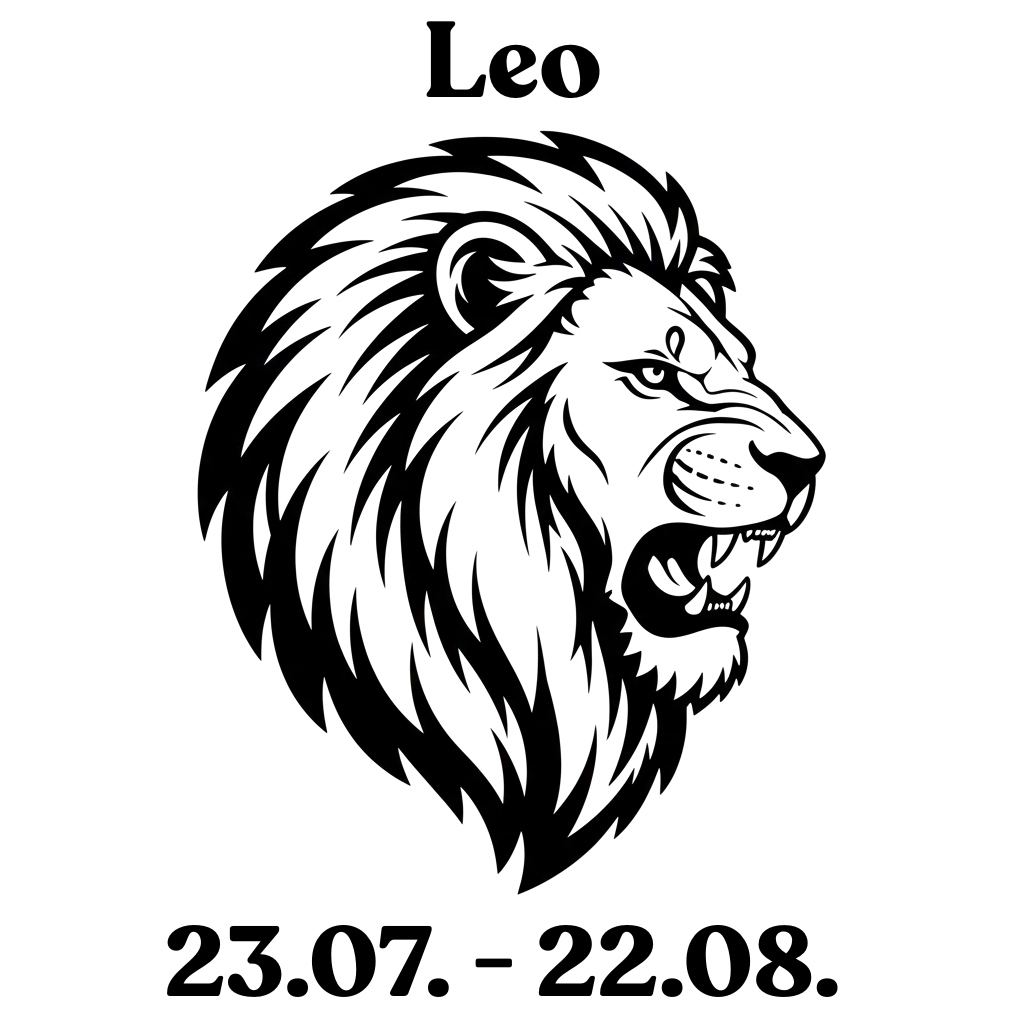
Leo — After a meaningful loss, Leo’s visible bravado can soften into something more subdued and reflective. Publicly they might keep up appearances, but privately Leo wrestles with pride and vulnerability, trying to reconcile grief with their need to shine. You’ll notice small acts of remembrance, like curating albums, leaving a favorite chair untouched for a while, or celebrating a deceased person’s legacy in a heartfelt speech at a gathering.
Their social calendar might shrink as they favor trusted companions over casual spotlight moments, preferring intimate dinners to large parties. Motivated by a need to honor and to be seen as strong, they often channel emotion into tangible tributes; when ready, Leo turns mourning into a creative tribute, using performance or art as a healing channel.
They need reassurance that being powerful and hurt can coexist, so gentle validation helps more than platitudes. In time, Leo’s warmth often returns with a quieter, more grounded confidence that still carries their generous spirit.
Virgo — Virgo tends to approach grief with a careful, practical mindset, turning feelings into tasks and organization. They may cope by creating lists, managing logistics, or researching how others have coped—an order-seeking response rather than an avoidance. This behavior can look like detached problem-solving, but underneath is a person trying to stay useful and steady; their motive is often a need for control and a way to honor feelings through action.
Virgos often express love through service and routines, maintaining the practical aspects of the lost relationship, such as keeping up with appointments or preserving household systems the person cared for. They can also be harsh on themselves, believing they should have done more, so watch for self-critical thinking, which can lead to exhaustion or delayed emotional processing.
Healing for Virgo often includes building small, reliable habits and seeking trusted guidance rather than big emotional interventions, like confiding in one close friend or a practical therapist. Over time they usually emerge more disciplined and quietly compassionate, though they may need reminders to allow messy, unstructured grief moments too.
- For people who carry long memories, this look at the signs that never forget their first love explains why certain losses feel especially enduring.
The Visible Transformers: Grief that changes how they show up
Scorpio — Scorpio’s grief is rarely subtle; it’s transformative, intense, and can remake identity. They may go through periods of withdrawal followed by dramatic shifts—new hair, new circle, new beliefs—because Scorpio often uses loss as fuel for rebirth. The process looks like inner alchemy, turning pain into a changed self rather than simply moving on.
Expect moments of fiercely private mourning and then outward reinvention, both equally real. Scorpio can also develop sharper boundaries, becoming unwilling to tolerate small betrayals after big loss, and this can mean cutting off casual friends or changing how they parent.
They may look for deeper meaning and adopt rituals or mysteries that honor what was lost, such as nightly offerings, a solitary pilgrimage, or reading old letters aloud. Close ones should respect their need to control how they heal while offering steady loyalty and practical help, like handling logistics so Scorpio can feel safe to transform.
Aries — After losing someone, Aries often reacts with immediate, visible change—action before reflection. Their first instinct can be to keep busy, launch new projects, or travel to avoid raw feelings, a pattern that reads as restless reinvention. They may cut ties with people or habits they feel don’t honor the memory, choosing a bold new direction instead of quiet grieving, for example selling a house, signing up for a demanding course, or volunteering in a cause that seemed too risky before.
While this can frustrate others who want them to slow down, Aries is usually trying to reclaim momentum and purpose and to prove to themselves they can carry on. Anger can surface quickly, so they need outlets that channel energy constructively rather than destructive impulsiveness, such as endurance sports or focused creative work.
The contradiction is that outward motion masks inward pause, so they may revisit pain unpredictably and have sudden episodes of regret or quiet reflection. With time, Aries often integrates loss into a renewed sense of drive and courageous self-honesty, emerging more decisive but also more aware of what truly matters.
Taurus — Taurus processes grief through sensory comfort and stabilizing routines, but loss can lead to surprisingly visible life shifts. At first, they cling to what’s familiar—home, food, steady rhythms—as a balm, demonstrating comfort-seeking behavior. Over months, though, Taurus may change possessions, relocate, or overhaul their lifestyle as a slower, more deliberate rebirth.
These changes aren’t impulsive so much as determined—Taurus crafts a new foundation that can feel like quiet reinvention. They can be stubborn about asking for help, believing resilience should be private, which can look like emotional stoicism.
Once healing progresses, Taurus often builds a sturdier life that honors the past through stable, tangible acts rather than dramatic declarations. Support that’s practical and consistent suits them best.

The Action Healers: Turning grief into purpose or movement
Sagittarius — For Sagittarius, grief often becomes a reason to seek broader meaning or new horizons, turning pain into exploration. They might travel, study philosophy, or immerse themselves in causes, demonstrating an expansive coping style rather than quiet mourning. This can be a healthy search for perspective, but it may also look like avoidance if they never stop moving.
Sagittarius needs freedom to experiment, talk, and reinterpret life, often finding solace in big-picture ideas or shared stories. Friends and family should allow room for their restless healing while encouraging occasional grounding practices.
Over time, grief can deepen Sagittarius’s empathy and give their optimism a more mature, reflective quality. They tend to emerge with renewed faith in life’s possibilities, though their process may feel erratic.
Capricorn — Capricorn channels grief into structure and ambition, often using responsibility as a pathway through pain. They may throw themselves into work, family duties, or long-term plans, exhibiting goal-driven coping that masks deep feeling. This coping is motivated by a need for control and meaning—organizing a memorial fund, finishing a stalled project, or taking over household logistics can feel like honoring the lost person while also keeping panic at bay.
That same urge to manage details can be a contradiction: it builds something lasting but can also postpone the emotional work, increasing the risk of exhaustion or emotional numbness. Capricorns often carry grief privately, displaying stoic perseverance rather than public breakdowns, and they usually prefer concrete support—practical help with logistics, space to fulfill obligations, and permission to rest without guilt.
They respond to small, reliable gestures and rituals more than speeches. In time, grief can become a motivating force, inspiring Capricorns to create stability or take on projects that matter; their healing is typically slow, disciplined, and ultimately purposeful.
Gemini — Gemini tends to process through conversation and movement, turning grief into a series of expressions and social experiments. They might flit between people, topics, and coping methods as they try to make sense of loss, showing talkative processing rather than silence. This can help them integrate memory through storytelling, but it can also feel scattered to observers.
Gemini benefits from varied outlets—journaling, talking with different friends, or learning new perspectives—that feed their curious mind. They may oscillate between humor and seriousness, using verbal connection as a balm.
Give Gemini permission to ask questions and change their mind about how to grieve; they often find meaning by collecting viewpoints. Ultimately, Gemini’s adaptive intellect can morph sorrow into renewed social depth and creative thought.

The Meaning Makers: Ritual, memory, and emotional integration
Pisces — Pisces often searches for spiritual or symbolic meaning after a loss, blending imagination with mourning in gentle ways. They might be drawn to dreams, music, or art that keeps the person’s essence alive, showing creative remembrance rather than plain acceptance. Emotions can arrive in waves—one moment they’re quietly recalling a smell or song, the next they’re overwhelmed and need shelter from social demands—so they crave a safe, compassionate space where feelings can land without judgment.
They may also notice small coincidences or recurring images and find comfort in spiritual patterns, which helps some feel connected rather than abandoned. Because they give so much emotionally, Pisces needs clear boundaries and practical help during crises, like someone arranging meals or managing paperwork, to prevent burnout. Practical support lets them grieve without losing themselves.
When supported, their grief often deepens compassion and fuels art. In time, that pain can evolve into tender wisdom they offer to others as solace and story.
Libra — Libra seeks balance after loss, trying to honor memory while restoring harmony in life and relationships. They may engage in thoughtful ceremonies, memorials, or conversations to acknowledge what was lost, demonstrating an aesthetic, relational grieving style that prefers meaningful ritual over chaotic displays of raw emotion. Libra dislikes conflict, so grief can sometimes be smoothed over prematurely to keep peace, which risks leaving unresolved feelings that resurface later as fatigue, irritability, or passive withdrawal.
They often want fairness and closure—someone to listen and validate the complexity of emotion—making equitable support crucial from friends who can both sit quietly and speak honestly. Libra also leans on social networks, balancing solitude with gentle company so grief doesn’t become isolating, and may host small gatherings as a way to process.
Motivated by the need to preserve beauty and connection, they might arrange a photo altar or plant a tree as a concrete example of remembering. Over time, they aim to reintegrate loss into a calmer daily life, using beauty or ritual to keep memories alive with dignified tenderness.
Aquarius — Aquarius tends to intellectualize grief and look for communal or activist outlets to honor loss, converting private sorrow into societal purpose. They might start projects, join groups, or use technology to create a memorial, showing community-oriented healing rather than purely personal mourning. This behavior is motivated by a desire to make pain useful and to connect the deceased’s memory to broader change—so an Aquarian might organize a fundraiser, build a memorial website, or launch a petition in that person’s name.
Because they frame emotion through ideas, Aquarius can seem detached, yet their efforts often build meaningful legacies that comfort both themselves and others. They appreciate logical frameworks—rituals that make sense or causes that create impact—helping them feel they’ve done something constructive.
A useful tension for them is that outward activism can mask inner vulnerability, so they benefit from emotional permission to be intimate and grieve privately. Over time, grief can deepen their humanitarian drive and connect them more authentically to chosen communities, sometimes changing the focus of their work or friendships.
Conclusion
Grief reshapes characters differently: some signs retreat inward, others reinvent outwardly, many build practical structures, and some seek meaning through ritual or action. These astrological tendencies offer a map, not a rule; people are complex and may move between styles as they heal.
Knowing how a sign commonly responds can improve empathy—offering space when someone needs quiet, steady help when they prefer practical support, or purpose when they want to act. Over time, grief often becomes a source of growth—new rituals, clearer priorities, and deeper compassion—no matter which zodiac-driven path someone follows.
Cosmic Highlights
FAQ
Can a zodiac sign’s grief style change over time?
Yes. Astrological tendencies describe likely patterns, but individuals can shift through stages of grief. Someone may start by acting, then later process feelings privately, or they may combine styles depending on the loss and support available.
How can I support a grieving friend based on their sign?
Offer what matches their coping style: privacy and consistency for Cancer and Virgo, a blend of action and space for Aries and Sagittarius, creative outlets for Pisces and Leo, and practical help for Capricorn and Taurus. When unsure, ask what they need.
Is it helpful to create rituals after a loss?
Many people find rituals healing because they provide structure and meaning. Rituals can be private or shared, small or public, and they often help memory, closure, and the emotional integration of grief.
✨ Explore More from Zodiac Echoes ✨Explore More from ZE
Choose your zodiac sign to explore daily, weekly, monthly, and yearly horoscopes.