
Key Points
- Some signs are naturally curious and prioritize communication, which helps relationships survive political clashes.
- Other signs value core principles or identity, making compromise harder but not impossible with mutual respect.
- Emotional intelligence and conflict style matter more than ideological agreement for long-term compatibility.
- Practical routines, shared values beyond politics, and clear boundaries often determine whether love can persist.
Finding out your partner has a completely different political worldview can feel jarring, but astrology offers a playful lens for who might adapt, who will argue, and who will quietly walk away. This guide groups the twelve zodiac signs by how they typically handle ideological mismatch—whether through curiosity, compromise, emotional labor, or firm boundaries.
Think of it as a behavioral map: some signs treat politics like a debate topic, others see it as identity, and a few keep politics pleasantly compartmentalized. Read on to find your sign and whether love can realistically survive this particular kind of shock.
Curious communicators who can debate without burning bridges
Gemini — Geminis tend to treat ideological differences like a lively debate rather than a dealbreaker. They can be intellectually curious, switch perspectives, and enjoy unpacking why someone thinks differently, which helps them avoid instant judgment. That said, their penchant for argument can sometimes feel like real conflict, so a partner needs to know the difference between Gemini’s playful provocation and genuine hostility.
Geminis are often emotionally adaptable, able to change tone when a discussion gets heated, and they can intentionally dial down the banter in favor of listening. If both people agree on respectful boundaries, Geminis can turn a political gap into ongoing conversation rather than a wedge.
Still, when an issue hits their core values, Geminis may suddenly show surprising stubbornness. They do best with partners who match their mental agility and can keep debates constructive.
Libra — Libras usually prioritize harmony and shared ethical ground over strict party alignment, which means they often look for the underlying values behind a partner’s beliefs. They can weigh different arguments and try to mediate when differences become heated, showing diplomatic patience rather than instant judgment. Libra’s weakness is a tendency to avoid conflict until resentment builds, so early honest conversations are crucial to prevent simmering issues.
They need a partner willing to meet them halfway on tone if not every policy point, because Libras count mutual respect as a relationship pillar. In practice that might look like one partner disagreeing on taxes but agreeing on charitable priorities, allowing Libra to focus on common goals.
If disagreements turn into personal attacks or moral refusals, Libra will either withdraw to protect the peace or actively seek compromise or third-party perspective. In short, Libra will try to make it work so long as the differences don’t become personal attacks or constant moral refusals.
Cancer — Cancers experience political differences emotionally; when they feel threatened or disrespected, they internalize it and may withdraw. They are deeply invested in a partner’s emotional safety, showing protective loyalty that can motivate them to understand a different worldview. Conversation for Cancer must feel safe—gentle listening and validation go much further than debates or fact-checks.
If a partner dismisses Cancer’s need for reassurance, it can fracture trust, because they equate beliefs with care and identity. However, when reassured, Cancer will do the emotional labor required to bridge gaps and keep the home a sanctuary regardless of public disagreements.
They appreciate partners who offer consistent affection and who don’t turn every political topic into a crisis of competence. Ultimately, Cancer can make it work if the relationship preserves emotional security above partisan scoring.
- For couples worried that debates will spiral into fights, the zodiac signs that love arguing highlight which partners are more likely to enjoy political sparring and which avoid it.
Values-centered signs that treat politics as identity — harder to shift, but possible
Scorpio — Scorpios treat disagreements as matters of depth and allegiance; politics often entwines with trust for them, so a partner’s opposing views can feel like a betrayal. They are intensely principled, and once a line is crossed, Scorpio may not let it go easily. That said, Scorpios are also private strategists who prefer negotiated, honest conversations over public shaming, so if the other person demonstrates nuance and growth, Scorpio can recalibrate.
They expect emotional honesty and will test whether your differences are intellectual or existential before fully recommitting. Scorpio’s loyalty is powerful—if they decide a partner is worth keeping, they will do the hard inner work to reconcile differences.
But they won’t tolerate hypocrisy, so authenticity matters most. In relationships with opposing political worldviews, Scorpios demand proof rather than platitudes.
Taurus — Taureans prefer stability, routine, and tangible signs of commitment, so political disagreement is evaluated through the lens of how it affects shared life. They are practical compromisers who ask whether differences will disrupt finances, parenting, or household peace more than whether each vote aligns. Taurus values consistency and trustworthiness; if a partner is steady and respectful, a Taurean can accept political differences without constant fight.
They dislike drama and may respond to ideological clashes with stubborn silence, not debate, which can be misread as indifference. When pushed, Taurus will defend their values firmly, showing quiet resilience rather than public protest, and they often prefer solving problems behind closed doors. Their motive is preserving comfort and predictability, so a couple that agrees on routines and boundaries can weather opposing opinions.
As a consequence, disagreements are more likely to fester quietly than erupt, so couples should create check-ins to avoid resentment. For example, a Taurean might tolerate different news sources as long as household bills are paid and children feel secure.
Aries — Aries is direct and energetic; when faced with a partner who holds very different political beliefs, they tend to react quickly and honestly. Their main traits here are blunt passion and a low tolerance for what they perceive as intellectual laziness, which can ignite fireworks in a mismatched pairing. Aries doesn’t usually enjoy slow compromise—they prefer decisive conversations and clear boundaries, which can be constructive if both people are willing to be equally direct.
They respect boldness, so a partner who can stand firm and articulate their stance will earn Aries’ admiration even if they disagree. In practice that might look like a rapid, fact-based debate over dinner rather than a weeks-long passive-aggressive freeze-out. However, Aries can grow impatient with endless nuance and may view sustained ideological conflict as a signal to move on.
That impatience can force a resolution, for better or worse: it either clarifies dealbreakers quickly or ends relationships before deeper understanding develops. If both partners treat the clash as a challenge rather than a threat, Aries will often use the tension to sharpen beliefs and improve communication.

Analytical mediators who look for evidence and workable systems
Virgo — Virgos approach political differences with a problem-solving mindset, focusing on specifics, policies, and effects rather than broad labels. Their strength is analytical curiosity; they will ask questions, fact-check calmly, and try to find practical compromises that make daily life easier. They often want to translate debate into actionable steps—agreeing on household boundaries for political discussions, or choosing joint volunteer activities that reflect shared values.
Virgo may become critical if a partner seems careless about facts or consequences, so sensitivity is needed to avoid their perfectionist judgment. Because they are detail-oriented, a recurring contradiction is that their search for the “right” solution can feel like nitpicking rather than empathy. They offer tangible solutions—budgeting for causes, volunteering together, or setting clear rules for political talk at home—that can neutralize ideological tension.
Virgo tends to be service-oriented, and if they see their partner’s beliefs translating into compassionate, responsible behavior, they’re more likely to accept differences. Still, persistent disregard for practical realities can erode Virgo’s goodwill over time.
Aquarius — Aquarians often have unconventional or strongly held ideals but are also famously able to compartmentalize political identity from personal relationships. They value intellectual independence and may accept that a partner thinks differently without feeling personally threatened. Aquarius is more interested in the idea of progress than party loyalty, so they can bond with people across ideological lines if both agree on core humanistic principles.
Their cool detachment can be mistaken for aloofness, but it’s usually a strategic choice to keep debate from becoming personal. Aquarians appreciate partners who respect autonomy and avoid trying to convert them, showing mutual ideological tolerance. That tolerance has limits: if a partner’s political actions directly contradict Aquarian humanitarian values—say supporting policies that harm refugees or restrict civil liberties—they can become unexpectedly fierce and principled rather than conciliatory.
In practice they may set clear boundaries, disengage from certain topics, or insist on shared philanthropic actions as a test of values. Ultimately, they prefer honest, boundary-respecting conversations over performative arguments.
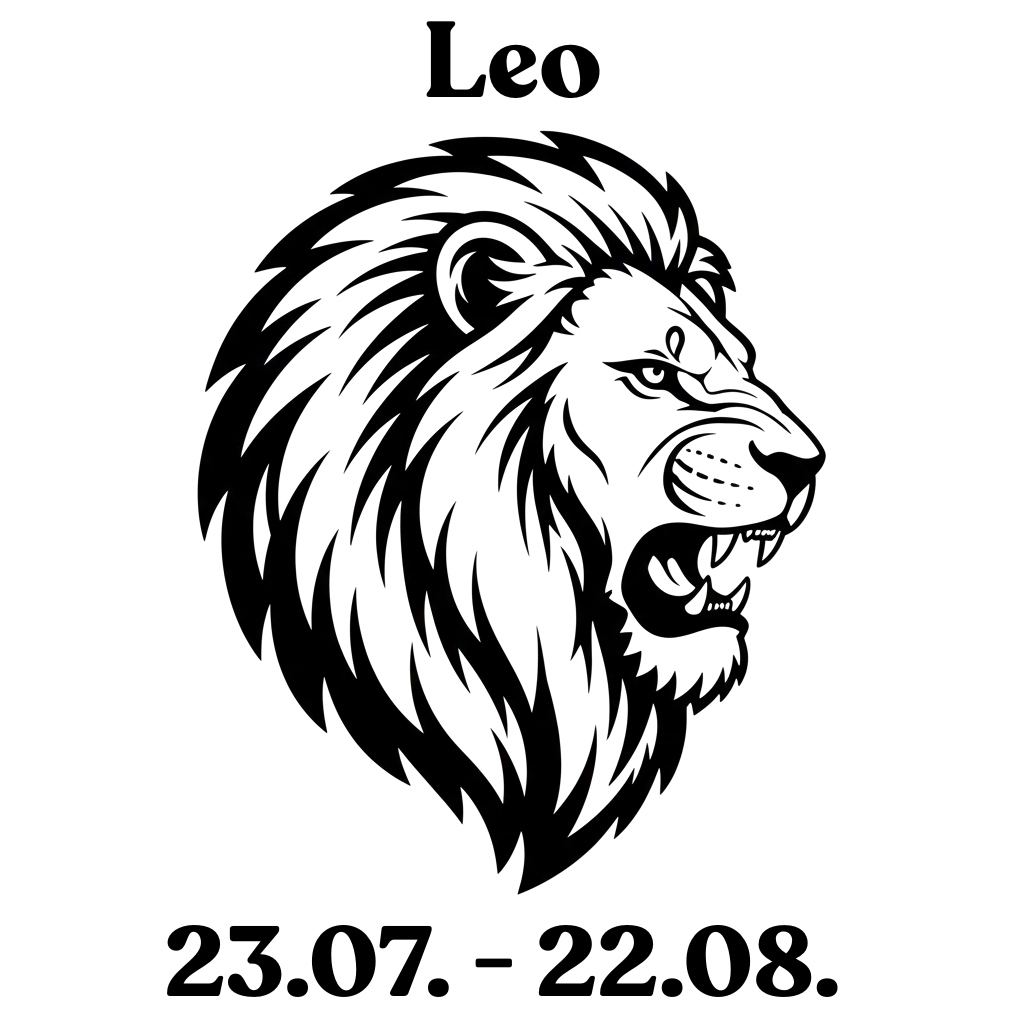
Leo — Leos often wear their beliefs as part of their public identity and expect admiration and alignment from close partners, so a political mismatch can bruise their ego. They respond best when differences are framed with honor and respect, not contempt or sarcasm, because for them the manner of disagreement matters as much as the content. Leo loves grand gestures and loyalty, so if a partner respects their convictions even while disagreeing, Leo will reciprocate with protective warmth and visible support.
Conversely, belittling Leo’s views can quickly turn a debate into a personal conflict, as they interpret ideological differences as a reflection of how they are valued. They also crave a shared social life—disagreements that create awkward public scenes are particularly troubling and may lead Leo to withdraw from events.
A practical example: a partner calmly declining a heated argument at a dinner party and later discussing it privately will earn far more goodwill than public mockery. When both people commit to support each other’s dignity, Leo can be generous and overlook significant political gaps, though ongoing disrespect will erode trust fast.
- If ideological difference is a concern, checking the most compatible zodiac signs in love can help you see if other core dynamics already point toward long-term success.
Adaptive negotiators who weigh fairness, compromise and long-term goals
Sagittarius — Sagittarians are big-picture thinkers who prize freedom, exploration, and philosophical debate, which often allows them to coexist with contrasting political views. They usually meet ideological differences with open curiosity and enjoy trading perspectives as a way to expand their worldview, sometimes turning a friendly disagreement into a lively dinner-table exploration. Sagittarius can be blunt, though, and their love of debating ideas can feel like lecturing to a less philosophically inclined partner, creating a tension between honest inquiry and emotional tact.
They respect authenticity and will move on from relationships where they feel intellectually censored or tied down, showing restless independence that makes them unlikely to stay in a relationship that feels ideologically claustrophobic. If a partner demonstrates honesty and a willingness to explore perspectives, Sagittarius will often see the mismatch as an opportunity for growth rather than a dealbreaker. However, when politics become rigid or controlling, Sagittarius may choose freedom instead of compromise, sometimes ending things quickly to preserve their autonomy.
In practical terms, they might suggest traveling together to encounter new ideas, or propose a rule to avoid turning every conversation into a debate. Their motive is less about winning and more about expanding horizons, so if both people commit to curiosity over conquest, the relationship can thrive despite differences.
Capricorn — Capricorns are pragmatic and status-conscious, and they judge political differences by the consequences for family, career, and reputation. They prefer partners who share responsible stewardship and long-term planning, so political divergence is tolerated if it doesn’t threaten practical goals like finances or children’s prospects. Capricorn is not interested in performative politics; they respect consistent action and accountability more than rhetoric, so a partner who quietly volunteers at a community shelter will impress them more than someone who posts outrage without follow-through.
If a partner’s views translate into reckless or irresponsible behavior—publicly shaming colleagues, jeopardizing joint assets, or eliding obligations—Capricorn will take a hard, principled stance and set firm boundaries or consequences. But if differences remain theoretical and both people keep their commitments—to finances, parenting, and household duties—Capricorn can be quietly tolerant and fiercely loyal.
They value measured compromise and will negotiate practical arrangements rather than engage in moral grandstanding. Ultimately, their motive is preservation of stability, and they will prioritize long-term security over short-term ideological purity.
Pisces — Pisceans are sensitive idealists who receive political differences emotionally and intuitively rather than analytically, so a partner’s worldview can feel like an emotional language barrier. They crave compassion and shared empathy, and they may struggle when a partner’s beliefs appear callous or rigid. Pisces tends to prioritize the relationship’s spiritual and emotional harmony, often offering forgiveness and flexibility when they sense genuine care.
However, they are vulnerable to being hurt if political differences involve harm to marginalized people, because Pisces feels pain for others deeply. In practice they might retreat into creativity or soft conversation rather than launch into debates, or they may attempt gentle, heartfelt explanations—painting their concerns in personal stories instead of statistics. If reassured with honesty and tenderness they’ll stay engaged, but if dismissed they can withdraw or become quietly resentful, testing the relationship’s emotional trust.
They do best with a partner who couples honesty with tenderness and who reassures them that the relationship won’t become a moral battleground. When both people emphasize kindness, Pisces can adapt and maintain deep intimacy despite ideological differences.
Conclusion
A partner’s completely different political worldview doesn’t automatically doom a relationship—how each person reacts matters more than the content of their politics. Some signs lean into debate, others protect emotional safety, and a few are pragmatic enough to prioritize shared life over ideological alignment.
Across the zodiac, mutual respect, consistent behavior, and clear boundaries are what determine whether love survives this particular test. If both partners agree on how they’ll talk about politics and what lines won’t be crossed, many mismatches can be navigated constructively rather than destructively.
Cosmic Highlights
FAQ
Can two signs with opposite political views still be compatible long-term?
Yes. Compatibility often depends on communication style, shared nonpolitical values, and whether both partners are willing to set boundaries and show respect. Practical alignment—on finances, parenting, and lifestyle—matters more for many couples than identical political views.
When should political differences be a dealbreaker?
Political differences become a dealbreaker when they reflect core values that affect safety, fundamental human rights, or consistent harmful behavior. If one partner’s beliefs justify harm or refuse to acknowledge a partner’s identity, it may be incompatible with a healthy relationship.
How can couples argue about politics without escalating into personal attacks?
Set rules for political talk (no name-calling, no public scenes), focus on specific behaviors rather than labels, practice active listening, and agree to pause conversations when emotions run high. Prioritizing mutual respect and shared relationship goals helps keep debates constructive.
✨ Explore More from Zodiac Echoes ✨Explore More from ZE
Choose your zodiac sign to explore daily, weekly, monthly, and yearly horoscopes.