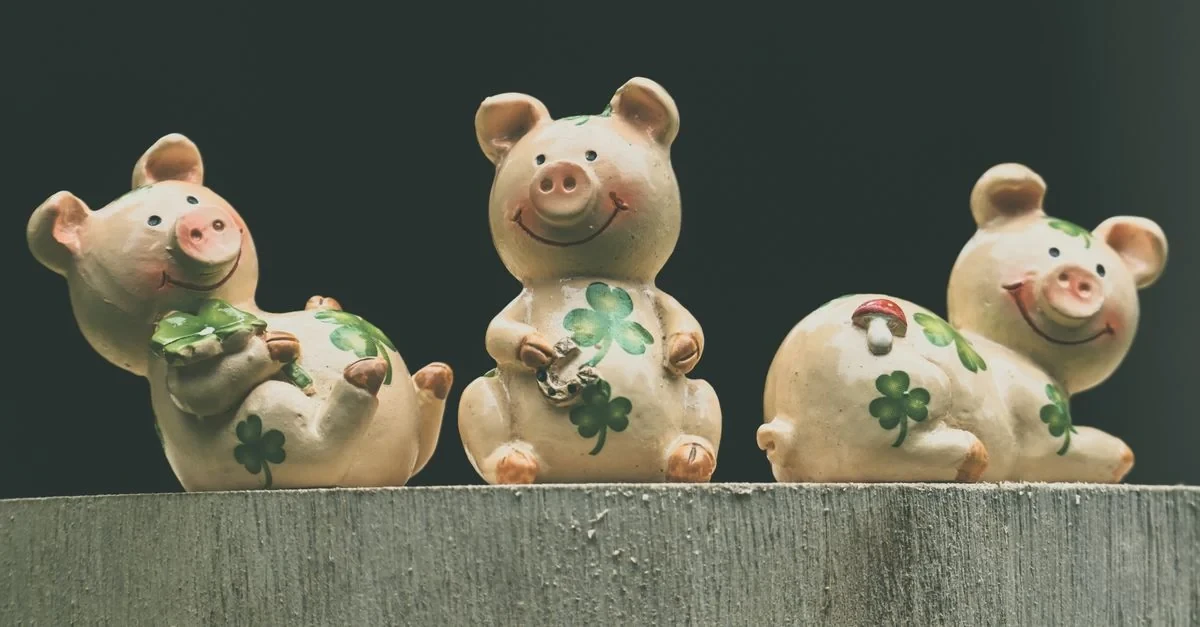
- We rank all 12 zodiac signs by how superstitious they tend to be, from least to most cautious about bad luck.
- Signs at the top of the list use rituals, routines, or symbolic precautions as emotional anchors rather than literal guarantees.
- Practical or skeptical signs still have moments of superstition; context, upbringing, and fear can trigger rituals.
- This ranking is an astrological take on tendencies, highlighting how each sign reacts to uncertainty and chance.
Some people shrug when a mirror breaks; others rearrange their whole week. This ranking looks at how each zodiac sign tends to treat superstition—whether it’s a passing superstition or a full-blown set of daily precautions. Expect sensible skeptics, occasional charm-carriers, and a few ritual-loving signs who won’t leave the house without their talismans. We rank every sign from #12 (least swayed by superstition) to #1 (most likely to refuse to take chances with bad luck) to give you a clear sense of where your sign sits on the superstition spectrum.
Casual Doubters: Superstition as an Occasional Quirk
#12 — Taurus: Taurus tends to be practical and grounded, so superstition rarely drives their choices. They prefer tangible evidence and will usually rely on routine over ritual, but that doesn’t mean they never indulge in small superstitious acts when anxious. A Taurus may keep a lucky item simply because it connects to a stable memory, not because they truly expect cosmic interference—comfort over conviction.
When pressured, Taurus will create predictable habits like a morning sequence that feels like a safeguard, yet they treat it as psychological support more than fate control. Financial caution and love of security mean a Taurus may avoid obvious risky gambles, but that’s thrift, not superstition—practical risk management. If a superstition offers emotional steadiness, Taurus will accept it, as long as it doesn’t disrupt their comfort or budget.
They are steady, resistant to panic, and will only embrace ritual when it serves clear, calming purposes. Over years, a Taurus’s small routines can become quietly meaningful to them without ever being framed as cosmic rules; these habits anchor their everyday life more than they control it.
#11 — Aquarius: Independent and iconoclastic, Aquarius usually resists traditional superstitions and prefers ideas that feel modern or rational. They might enjoy quirky or ironic rituals as conversation pieces or social bonding exercises—ritual as rebellion—but they seldom bow to feared outcomes. Aquarians are more likely to invent a personal routine that feels meaningful in context, such as a pre-presentation habit that boosts confidence, rather than follow communal omens—inventive habits.
When Aquarians do adopt superstitions, it’s often experimental, a way of testing group norms, not submission to fate—curiosity-driven rituals. Their detachment helps them shrug off collective panic, though they can be quietly meticulous about signs that tie to their intellectual interests or innovations. Emotional distance means they rarely let superstition dictate major life choices, yet they may keep a lucky token if it enhances a signature image.
In short, Aquarius treats superstition like a cultural prop rather than a rule to live by—style over submission. They can rationalize a charm as performance art or placebo, which satisfies both their skepticism and occasional sentimental impulses.
#10 — Sagittarius: Sagittarius values freedom and adventure, so superstition rarely limits their plans; they’re more likely to laugh at old omens than obey them. However, their optimism can create selective rituals—hopeful habits—like carrying a small talisman for luck when traveling or before a big risk, because it makes them feel braver. Sagittarians think in terms of signs that promise opportunity rather than threats; if something reads as a positive omen, they’ll embrace it with enthusiasm—opportunistic belief.
Their confidence often neutralizes fear of bad luck, but when they do worry, they prefer low-effort charms that don’t restrict movement or exploration. Group rituals on a trip or before a big event can appeal to their love of shared experience, turning superstition into a bonding activity—social superstitions. Ultimately, Sagittarius is selective: they honor rituals that amplify courage, not those that cage them in anxiety or needless caution.
Their adventurous streak keeps them testing fate, sometimes purposefully courting risk despite a few comfort-focused customs. Even when a Sagittarian keeps a ritual, it tends to be portable, optimistic, and tied to stories rather than rigid avoidance of danger.

Cautious Traditionalists: Rituals That Comfort and Control
#9 — Leo: Leos are dramatic by nature and may embrace superstition when it enhances their personal story or public persona. A Leo might keep a stage-ready charm or a lucky outfit because confidence depends on presentation, and that ritual becomes part of their identity. They often frame superstitions as empowering rather than fear-based—rituals to perform—so the act of observance feeds their bravado and visibility.
Leos enjoy the theater of a lucky routine and may expect others to respect their habits, turning superstition into a social performance as much as a comfort. While not strictly fearful of bad luck, Leos dislike anything that could derail their spotlight and may take symbolic precautions ahead of important events—image protection. Their rituals usually reinforce their public self and are treated as traditions that bring charisma, not as rigid superstitions that limit joy.
In practice, Leo uses superstition more to fuel courage and spectacle than to avoid fate. Over time a lucky routine can become a beloved anecdote they share to inspire or amuse, further entrenching the habit without surrendering control.
#8 — Capricorn: Practical and disciplined, Capricorn treats superstition cautiously, but they respect ritual as structure. For Capricorns, a routine or talisman becomes useful if it contributes to long-term stability or psychological preparedness. They may keep certain superstitions quietly—an old ledger, a desk charm, a pre-meeting ritual—because it signals professionalism and consistency.
When the stakes are high, Capricorn prefers methodical preparations over relying on luck, yet they also recognize that rituals can enhance discipline and reduce error—ritual as risk-management. Capricorns can be conservative about breaking unlucky patterns, leaning into tradition if it preserves reputation or avoids embarrassment. Their approach is rarely mystical; it’s about controlling variables they can control and creating comfort in uncertain systems.
So while not outwardly superstitious, Capricorns use rituals pragmatically to protect progress and maintain order. This pragmatic use of ritual helps them present a steady public face, and on rare occasions they’ll adopt communal rites that reinforce professional credibility.
#7 — Virgo: Virgos are detail-oriented and often superstitious in quiet, meticulous ways that feel more like checklists than beliefs. A Virgo’s rituals tend to be small, practical precautions—clean routines—because maintaining order reduces anxiety and perceived vulnerability to mishap. They might avoid specific unlucky actions not out of cosmic dread but to prevent preventable errors, which they view as avoidable bad luck—prevention-focused superstitions.
Perfectionism pushes Virgo toward repetitive behaviors: rechecking, organizing, and carrying small talismans that symbolically promise safety. Virgos rarely dramatize these habits; they’re functional, discreet, and consistent, serving as emotional insurance. When a Virgo perceives a pattern of misfortune, they respond by adjusting systems, not by pleading with fate—systems over supplication.
Their superstition is therefore methodical and hidden, aimed at control and efficiency rather than mystical surrender. Over time these quiet safeguards form a personal protocol that preserves their productivity and reduces the chaos they most fear.

Emotion-Led Believers: Superstition as Comfort and Intuition
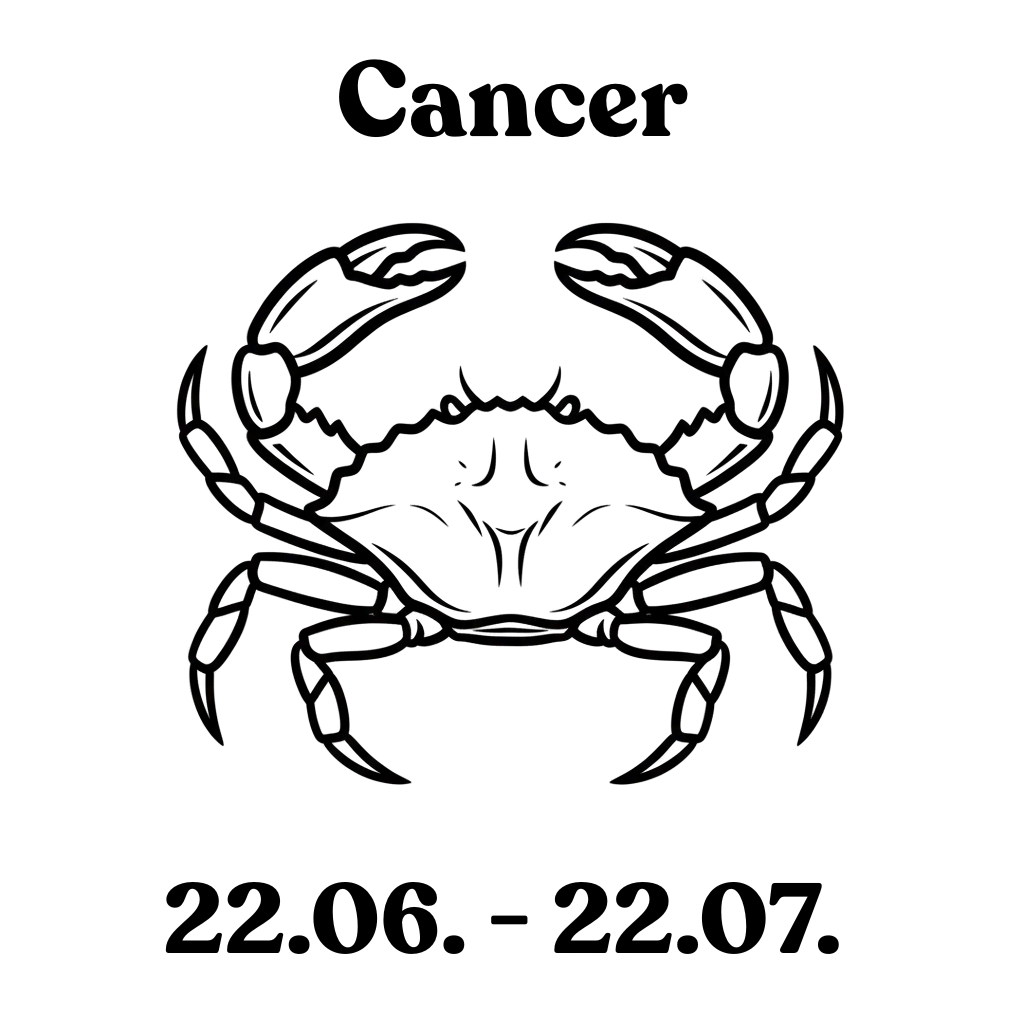
#6 — Cancer: Cancer tends to be sensitive and nurtures rituals that provide emotional safety, so superstition weaves into family traditions and home life. They often keep heirlooms, kitchen rituals, or specific holiday habits because these practices connect them to ancestral comfort and a sense of continuity. For Cancer, superstition is less about fearful avoidance and more about preserving well-being—protective habits—so they may refuse risks that threaten household stability.
Their intuition amplifies small signs, and they sometimes read personal omens into coincidences when feelings are involved—emotional interpretation. Cancers use rituals to soothe anxiety, like clearing space before guests arrive or carrying a sentimental object while traveling. They can be quietly stubborn about these comforts, defending them as essential rather than superstitious—tradition equals safety.
In relationships and home decisions, Cancer’s rituals often provide the reassurance they need to face uncertainty. These practices can be generational, passed down as much for the sense of belonging they give as for any literal protection they’re supposed to confer.
#5 — Pisces: Pisces is deeply imaginative and has a natural affinity for symbolic thinking, so superstition can feel intuitive rather than forced. They are comfortable inhabiting a world where signs, dreams, and rituals intermingle—symbolic responsiveness—and may take embellishments like crystals or dream rituals seriously. Pisces sometimes reads emotional meaning into everyday events, which can transform coincidence into guidance—sensitive reading of signs.
Their approach to superstitions is often spiritual or poetic; rituals help shape internal narratives and soothe anxieties about the unknown. At times, Pisces may avoid certain actions or places out of an instinctive sense of caution, even if it’s hard to articulate why—gut-led avoidance. They are less interested in rigid rules and more in the personal resonance a ritual offers, using superstition as a form of inner navigation rather than control.
This makes Pisces open, receptive, and often quietly faithful to small charms that calm their imagination. Their belief system around signs tends to be fluid and richly textured, blending artful meaning with heartfelt practice.
#4 — Scorpio: Scorpio’s intensity makes them attuned to unseen currents, and they can be convincingly superstitious when a ritual gives them leverage over uncertainty. They’re unlikely to perform light, public superstitions; instead, Scorpio’s rituals are private, purposeful, and often tied to psychological boundary-setting. If a superstition helps Scorpio feel protective or in control — especially around vulnerability or betrayal — they will adopt it rigorously, treating symbols as strategy rather than sentiment—ritual as armor.
Scorpios can be suspicious of coincidences, interpreting them as meaningful signals and responding accordingly, which fuels selective superstition. Their commitment to these practices is typically disciplined and secretive, not performative, so the effect is practical and intense rather than whimsical. While not universally superstitious, Scorpio treats rituals that reinforce power or secrecy as reliable tools in uncertain emotional terrain.
They use superstition to create a sense of dominance over fate when it matters most—strategy over superstition. These private rites often become part of a Scorpio’s inner toolbox for navigating trust, danger, and transformation.
- Since intuition often fuels superstition, it helps to consider which signs have the strongest intuition when thinking about ritual tendencies.
Ritual Devotees: Signs That Refuse to Take Chances
#3 — Aries: Aries is bold and impulsive, yet that directness can coexist with surprisingly rigid pre-game rituals that help channel their intensity. An Aries who takes superstition seriously often treats a talisman, warm-up sequence, or lucky routine as a performance primer—ritual as ignition—because it moves raw energy into a focused sprint. Where others might see inconsistent belief, Aries sees practical drama: a consistent ritual helps them commit to an outcome and reduces the scatter that undermines action.
They’re not likely to avoid risks because of fear of bad luck, but they will refuse to enter important moments without their own charging-up process, whether that’s a chant, a garment, or a specific physical routine. That behavior reads as superstition to observers, but to Aries it’s functional: a way to summon courage and protect momentum.
Over time these practices can become sacrosanct: breaking them feels like sabotaging performance, so Aries will enforce them on themselves with almost military insistence. In social or competitive arenas, an Aries’s visible rituals can inspire teammates and create a shared sense of readiness, which reinforces the habit socially as well as personally.
#2 — Gemini: Gemini’s dual nature makes them curious about superstition from both intellectual and affective angles, and that curiosity can turn into eclectic, frequent rituals. Geminis may collect small charms, test different routines, and switch beliefs based on what works socially or emotionally—experimental devotion—which creates a patchwork of practices they feel comfortable keeping. Their social networks expose them to many traditions, and a Gemini will often sample group rituals, adopting ones that boost connection or communication.
They might refuse to risk certain outcomes without a communicative talisman or preparatory routine because superstition functions as a behavioral cue that helps them perform socially. Geminis are also prone to anxiety in uncertain social situations, and rituals can be quick, portable solutions that steady their outgoing persona and reduce verbal flubs.
While intellectually skeptical about grand cosmic claims, their lived experience of what calms nerves matters more, so they accumulate practices that work in the moment. That adaptability makes Geminis surprisingly resilient ritualists: they refuse to take chances without habits that help them stay mentally agile and socially adept.
#1 — Libra: Libra prizes harmony, balance, and aesthetics, and for many Libras superstition becomes a structured way to avoid disruption and preserve equilibrium. A Libra who is highly superstitious may refuse to risk relationships, reputation, or opportunity without certain rituals that feel legally neutralizing—ritual as restoration—such as offering symbolic gestures before difficult conversations, carrying tokens that anchor confidence, or adhering to etiquette-based superstitions to keep social peace.
Because Libra fears discord, they can be hypervigilant about small signs that suggest imbalance, and they will often adopt visible, carefully curated customs that soothe both their sense of fairness and their need for external validation.
Their rituals are commonly diplomatic and social, designed to minimize friction and preserve an appealing image; breaking them could feel like inviting chaos. For example, a superstitious Libra might always bring a small gift or a calming tea to tense meetings, or insist on precise RSVP etiquette to avoid awkwardness.
This tendency can protect relationships but also lead to missed spontaneity or opportunities when rituals become rigid. When rituals are disrupted, Libras typically react with quick damage control—apologizing, restoring ceremony, or inventing a new practice to regain balance.
Conclusion
Across the zodiac, superstition functions in different ways: as playful ritual, emotional anchor, social performance, or tactical precaution. Practical signs treat rituals as efficiency tools, sensitive signs use them for comfort, and intense signs adopt them as strategic safeguards. Rather than a one-size-fits-all belief, superstition often reflects how each sign manages uncertainty—through control, community, creativity, or ritualized confidence.
If your sign ranks high, you probably use charms or habits to feel protected; if it ranks low, you rely more on planning and skepticism. Either way, the ranking highlights tendencies, not destiny, and shows how rituals can be meaningful even when the cosmos isn’t issuing guarantees.
Cosmic Highlights
FAQ
Is being superstitious the same as being anxious?
Not always. Superstition can be a coping mechanism that soothes anxiety, but it can also be cultural, traditional, or playful. Some signs use rituals for emotional regulation, while others use them as identity markers rather than fear-driven responses.
Can someone change how superstitious they are?
Yes. Habits and beliefs evolve with experience, social circles, and life transitions. People often pick up or drop rituals depending on what brings comfort or confidence in a given phase of life.
Do birth charts beyond the sun sign affect superstition?
Definitely. Moon, rising, and other planetary placements influence emotions, instinctive reactions, and how someone seeks security. Those placements can intensify or dampen the sun sign’s tendency toward ritual and superstition.