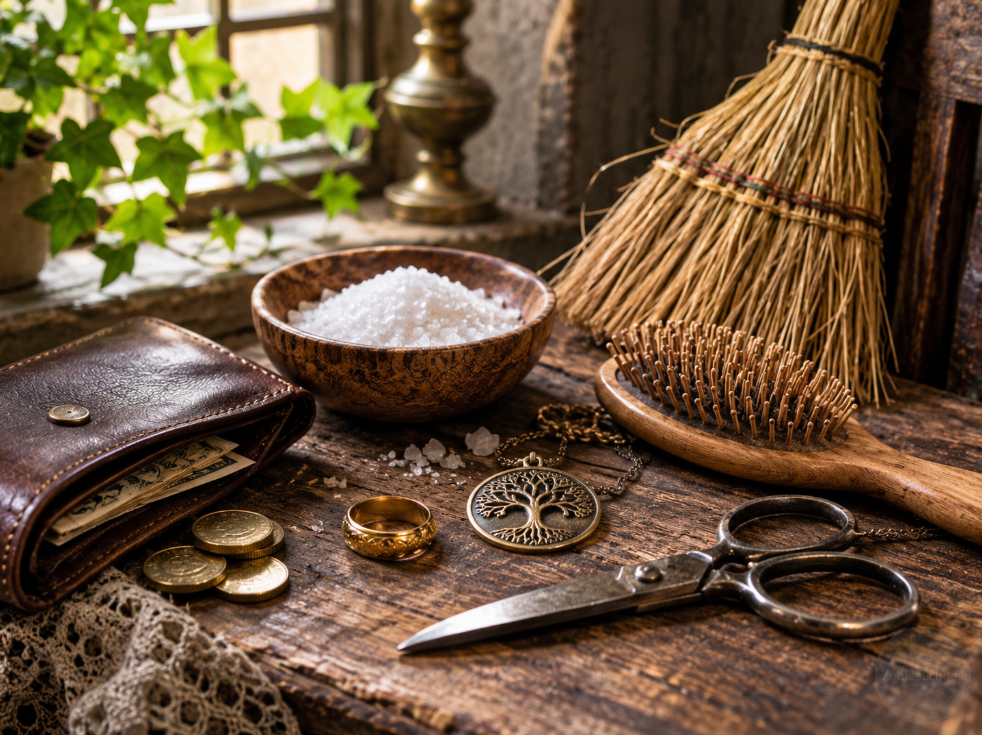
- Salt, wallets, and brooms are traditionally associated with household happiness, financial prosperity, and protection.
- Personal jewelry and hairbrushes are believed to carry the emotional energy of their owners.
- Lending sharp objects may symbolically attract arguments, misunderstandings, and damaged relationships.
- Protective talismans are considered deeply personal possessions connected to individual intentions.
Your neighbor runs out of salt, your best friend wants to borrow your favorite necklace, or a colleague asks to use your hairbrush. Most people would agree without giving it a second thought. However, according to old folk beliefs, some everyday objects carry considerably more than their practical value.
Personal belongings have long been associated with prosperity, emotional energy, spiritual protection, and good fortune. The more frequently we use an object, the stronger its symbolic connection to our identity is believed to become.
What makes these beliefs particularly fascinating is that they concern ordinary possessions found in almost every household. Here are seven things you should think twice about lending to another person.
1. Salt – The Protector of Your Household
Before modern refrigeration, salt was essential for preserving food. Its ability to prevent decay contributed to its symbolic association with purity, protection, and the preservation of valuable things.
In folk magic, salt represents an invisible boundary between the security of the home and unwanted outside influences. It is frequently incorporated into rituals involving purification and household protection.
Some folk beliefs discourage giving salt directly to another person, particularly after sunset. The exchange is interpreted as symbolically sharing the fortune of your household. If you wish to observe this tradition, leave the salt on the kitchen counter and allow the recipient to collect it. You can remain generous while respecting the symbolism behind the custom.
2. Your Wallet – A Symbol of Financial Prosperity
Your wallet accompanies you through countless financial decisions. It holds the money you earn, the cards you use, and sometimes even small personal reminders of important experiences.
Within prosperity magic, a wallet represents your relationship with material security and abundance. Allowing another person to use it is therefore sometimes interpreted as symbolically sharing your financial fortune. An empty wallet carries its own symbolism. Rather than representing financial opportunity, it suggests scarcity and the absence of resources.
This explains the charming tradition of placing a coin inside a new wallet before giving it to someone. The coin represents a wish for continuing prosperity and makes an otherwise ordinary gift more meaningful.

3. Rings and Personal Jewelry – The Keepers of Emotional Memories
Few possessions develop such intimate personal associations as jewelry. An engagement ring recalls a promise, an inherited necklace connects generations, and a favorite bracelet may accompany someone through decades of their life.
Jewelry becomes emotionally significant through the experiences associated with it. Within spiritual traditions, this connection is sometimes interpreted as the accumulation of personal energy.
Allowing someone else to wear an emotionally significant ring is associated in folklore with disturbing its original symbolism, particularly when the object represents romantic commitment.
There is an important distinction between ordinary fashion accessories and jewelry with profound personal meaning. A necklace purchased yesterday rarely carries the same emotional significance as a ring inherited from a grandparent. Keeping your most meaningful pieces for personal use can become a way of honoring the relationships and memories they represent.
4. Combs and Hairbrushes – Objects Connected to Personal Identity
Hair has occupied an important symbolic position in numerous spiritual and cultural traditions. It can represent beauty, strength, individuality, vitality, and personal transformation. Cutting one’s hair may symbolize the beginning of a new chapter, while preserving a lock of hair can represent remembrance or enduring affection.
A comb or hairbrush is particularly personal because it repeatedly comes into contact with the body. Folk beliefs associate this intimate connection with the possibility of exchanging emotional energy, including worries and sadness.
There is also a practical reason to avoid sharing grooming tools. Personal hairbrushes and combs can contribute to the transmission of head lice when shared. Among the seven objects on this list, the hairbrush therefore represents an interesting intersection between traditional symbolism and everyday hygiene.
5. Your Broom – Preserving Peace Within Your Home
The broom is one of the most recognizable objects associated with household magic. Its practical function of removing dirt also gives it a natural symbolic connection with removing unwanted influences. Sweeping can represent the restoration of order, the release of old experiences, and the preparation of a space for something new.
Within domestic folklore, a regularly used broom becomes associated with the particular household it serves. Lending it to another home is sometimes regarded as surrendering part of the protection it represents.
The belief is particularly associated with evening hours, when many traditional household customs emphasize closing and protecting the domestic space. Giving someone a new broom instead offers a symbolic alternative. They receive something useful while your own household object remains connected to your home.
6. Needles, Scissors, and Knives – The Symbolism of Broken Bonds
Sharp objects possess a fascinating dual symbolism. They are useful instruments of protection, creation, and practical work, but they also represent separation and the ability to sever connections.
A needle can repair damaged fabric, while scissors can divide something that was previously joined together. These physical actions provide powerful metaphors for human relationships.
Some superstitions associate lending sharp objects with future arguments, hostility, or misunderstandings between the people involved. From this perspective, the traditional concern is not the financial value of the borrowed object but its symbolic ability to interfere with emotional bonds. Placing the object on a stable surface for collection is one way of respecting the custom while remaining helpful.
7. Protective Talismans – Your Most Personal Spiritual Possessions
A protective talisman may be a gemstone, bracelet, pendant, amulet, or seemingly ordinary object that has acquired a special spiritual significance.
What distinguishes it from other possessions is the personal intention attached to it. Someone may carry a particular stone as a reminder of courage, wear a bracelet associated with protection, or keep a charm representing a deeply personal wish.
In symbolic magic, the relationship between a person and their talisman is central to its meaning. Sharing it with someone else may be regarded as interfering with that individual connection.
If a friend admires your protective charm, consider selecting a separate one specifically for them. A talisman chosen with another person’s happiness, confidence, or protection in mind can become a particularly thoughtful gift.
Why Do Personal Objects Feel Different From Ordinary Possessions?
Imagine losing an inexpensive ring that belonged to someone you loved. Now imagine losing a considerably more expensive item that carries no personal memories. Which loss would affect you more deeply?
The answer illustrates why personal belongings occupy such an important position in folklore and spiritual practices. The significance of an object is not always determined by its monetary value.
Objects can become reminders of relationships, personal achievements, difficult experiences, and important turning points. Their meaning grows through repeated association with particular emotions and memories.
From this perspective, the idea of protecting personal possessions reflects something deeply human: the desire to preserve experiences and connections that cannot easily be replaced.
What Should You Do If You Have Already Lent One of These Objects?
You do not need to discard a meaningful possession simply because someone else has used it. Spiritual traditions offer several symbolic practices for renewing your relationship with an object.
Moonlight Cleansing
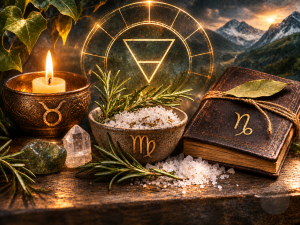
Moonlight is commonly associated with reflection, renewal, and emotional clarity. Place your jewelry or talisman in a secure location near a window during the evening. Use the experience as an opportunity to reconnect with the personal meaning of the object.
Herbal Smoke Cleansing
Rosemary and incense are popular ingredients in contemporary spiritual cleansing practices. Their fragrance can help establish an atmosphere of reflection and ritual. If using incense, ensure that your surroundings are well ventilated and that burning materials remain safely contained.
Renewing Your Personal Intention
Hold the object in your hands and reflect on why it matters to you. You may also repeat a personal affirmation:
My happiness remains my own. I welcome peace, abundance, and protection into my life. This object carries the meaning I choose to give it.
These rituals serve as symbolic expressions of renewal and personal intention. Their significance comes from the meaning individuals attach to them, rather than any demonstrated transfer of supernatural energy.
Conclusion
Salt, wallets, jewelry, hairbrushes, brooms, sharp objects, and protective talismans reveal how ordinary possessions can acquire extraordinary symbolic significance. Behind these fascinating superstitions lies a common desire to preserve happiness, prosperity, emotional connections, and personal security.
Generosity remains an important human quality, but some possessions hold meanings that make them especially personal. Is there something in your home that you would never lend to anyone, regardless of how close they are to you?
Cosmic Highlights
FAQ
Which things should you never lend according to folk beliefs?
Salt, personal wallets, emotionally significant jewelry, hairbrushes, household brooms, sharp objects, and protective talismans are among the possessions associated with these traditions.
Why is giving away salt after sunset considered unlucky?
Salt symbolizes household protection and preservation. Some folk beliefs associate evening exchanges of salt with surrendering part of a household’s good fortune.
Why should you place a coin inside a wallet before giving it away?
A coin symbolizes abundance and continuing prosperity, making it a meaningful addition to a wallet given as a present.
Why are wedding rings considered particularly personal objects?
Wedding rings represent emotional commitment, shared experiences, and the promises made between partners. Their symbolic significance distinguishes them from ordinary accessories.
Can lending personal belongings actually bring bad luck?
These associations belong to folklore and spiritual traditions. There is no scientific evidence that lending an object transfers luck, wealth, or supernatural energy.
How can you symbolically cleanse a personal object?
Moonlight, incense, quiet reflection, and personal affirmations are commonly used in spiritual practices to renew the symbolic significance of personal belongings.