- Some signs show pain openly with visible emotions and raw reactions.
- Other signs mask sadness with routine, humor, or control but suffer deeply inside.
- A few signs alternate between broadcasting hurt and retreating into silence depending on trust.
- Understanding a sign’s coping style helps you respond with compassion rather than assumptions.
People deal with emotional pain in different ways: some blot it across their face, others tuck it neatly into a pocket and pretend it isn’t there. This article groups the zodiac into meaningful emotional styles so you can see whether your sign tends to be an open book, a fixed wall, a practiced performer, or a quietly wounded soul. Read on to find all 12 signs organized by how they typically express—or conceal—hurt, and learn what their reactions often mean for friends and lovers who want to help.
The Open-Hearted: emotions spill out and can overwhelm others
Aries — Aries people often react to pain in the moment with heat and urgency. When hurt, anger sparks fast, and they can be bluntly honest about how they feel, which makes their emotional state easy to read. Their responses are not always fragile; sometimes they use loudness as a way to reset, demonstrating quick emotional recovery that surprises observers.
Still, beneath the flare-ups there’s often raw sensitivity—they feel wounded more deeply than their bravado suggests. Aries can want immediate solutions, so their pain shows up as action-oriented frustration rather than quiet withdrawal.
Close friends who expect calm restraint may misread their outbursts, because for Aries emotion equals movement. If you’re supporting an Aries, be ready for both fireworks and fast reconciliation.
Cancer — They tend to wear emotional life more visibly than most, showing feelings on their sleeve in ways that invite care rather than judgment. Naturally empathetic, personal pain often appears as teary softness and an urge to talk about feelings repeatedly until they feel understood, sometimes circling back to the same story until reassurance lands. You’ll notice small physical cues—changes in appetite, withdrawal to the home, or a sudden craving for nostalgic comfort—which are classic signs of them processing hurt; they might bake a childhood recipe or call a parent at midnight for solace.
Because they make relationships central, slights cut deeply, and their sadness is frequently relationally tuned, focused on who they feel safe with and who has let them down. There’s a contradiction in how they try to keep things ‘together’ for others while quietly needing support themselves.
Their protective shell cracks quickly when grief meets trust, and they show gentle vulnerability openly to those they rely on. Responding with steady reassurance helps them feel anchored while they recover and prevents long-term withdrawal.
Scorpio — Scorpio rarely hides the depth of what they feel; the intensity of their pain is often obvious even when they are quiet. They can shift between a simmering, controlled exterior and moments of piercing honesty where hurt pours out in cutting clarity. That intensity makes their emotions feel urgent and consequential to everyone around them—Scorpios don’t do casual sadness.
They can be fiercely private yet paradoxically transparent about how deeply they’re affected, showing protective defensiveness alongside raw confession. Their pain often revolves around betrayal, power, or trust, so when wounded they display focused vulnerability rather than scattered grief.
As a consequence, a friend who breaks a confidence may trigger a cold withdrawal or an immediate, intense confrontation, depending on the Scorpio’s sense of justice. Loved ones who try to negotiate or minimize can trigger stronger reactions, so Scorpio’s visible pain is both a warning and an invitation to empathize.

The Steady Rock: stoic, reliable, and often mistaken for unfeeling
Taurus — Taurus tends to compress pain into a steady exterior, but when their feelings surface they are impossible to ignore. They often respond to hurt with sullen firmness—not explosive, but immovably stubborn in their mood—holding a grudge as a form of self-preservation rather than drama. Taureans value comfort and routine, so sadness can show up as withdrawn homebody behavior, a refusal to engage socially, staying in to binge familiar shows or cook comfort food instead of answering texts.
While they may appear calm, inside there’s frequently slow-burning hurt that lingers unless addressed, because Taurus prefers to process steadily rather than rush. Their loyalty means they take emotional injuries seriously, and they can become protective and possessive when feeling wounded, monitoring relationships more closely.
A simple sincere, consistent gesture—like regular check-ins or shared quiet time—often opens them more than a big apology. The consequence of ignoring them is distance that creeps into once-safe routines, making repair harder over time.
Gemini — Gemini can be one of the most confusing signs emotionally because they often talk themselves through pain rather than show it in obvious ways. They rely on communication and humor, so hurt tends to surface as chatty defensiveness or quick shifts to new topics when things get heavy. Geminis may joke to deflect or intellectualize feelings into debate, creating a mask of lighthearted distraction that hides real sorrow.
That doesn’t mean they don’t feel intensely; their internal monologues can be chaotic and raw even while their face remains animated, producing split public/private behavior. Because they process externally, confiding helps them, yet they sometimes resist vulnerability to avoid feeling trapped or defined by their hurt.
As a consequence, friends may mistake aloofness for indifference—until a casual remark or repeated complaint reveals deeper pain. A gentle, patient listener who asks specific questions (instead of forcing silence-filled empathy) often prompts a Gemini to lower the guard and truly open up.
Capricorn — Capricorn tends to treat emotional pain like a problem that requires structure rather than sympathy, so their distress is usually well-concealed. They build routines and responsibilities that function as armor, presenting calm competence while they sort feelings privately. Often their motive is practical: keeping things orderly feels like control, and control feels like safety, which explains why visible softness provokes shame.
They prefer quiet endurance and may keep sorrow out of public view, answering texts on schedule or showing up to work even when they’re unwell. That secrecy is part of how they maintain stability for others, but it can create distance, because their stoicism reads as emotional reserve rather than indifference.
The contradiction is that their private suffering can be intense, yet their reaction is to tighten tasks and plans rather than seek comfort. Support that recognizes their need for dignity—steady presence without spectacle—often cracks the wall more effectively than dramatic displays of empathy.
- For a deeper look at why Capricorns often mask pain with discipline, see how Capricorns build the strongest emotional walls.
The Hidden Hurt Behind the Smile: charm and humor conceal deeper wounds
Leo — Leos often present a generous, sunshine persona, so when they’re hurting it can be striking because their public brightness masks inner ache. They may continue to perform warmth and leadership, exhibiting performative cheer that keeps friends from realizing the depth of their pain. Pride and reputation matter, so Leo sometimes hides vulnerability out of fear it will dim their image—this looks like resilient smiling even on hard days.
That contradiction between exterior confidence and interior hurt can make their suffering seem sudden when it finally surfaces. When pushed, Leo’s hurt becomes dramatic and heartfelt, showing creative sorrow through art, speeches, or grand gestures; for example, an otherwise upbeat host might deliver a raw monologue after a party when alone.
They want validation and admiration, so wounds that touch identity sting sharply and are eventually expressed in bold ways if ignored. A sincere compliment or a stage-free space for honesty encourages Leo to drop the mask and reveal more honest feelings.
Virgo — Virgo processes pain in methodical, inward-focused ways, which can make their suffering easy to miss from the outside. They often analyze hurt into manageable pieces, showing critical self-reflection that reads like calm problem-solving rather than emotional collapse. Virgos can internalize blame and seek to improve themselves, so sadness may present as overwork or obsessive caretaking instead of tears.
Their need for usefulness drives them to care for others even while they’re hurting, masking personal wounds with helpful busyness. This contradiction — appearing competent while unraveling quietly — means friends might praise their reliability without realizing it comes from a place of hurt. Consequences of long-term suppression include increased anxiety, perfectionism that becomes controlling, or a sudden withdrawal when the effort to maintain composure runs out.
A concrete example: a Virgo who reorganizes a friend’s pantry at midnight to avoid dealing with a breakup. Patient listening and low-key practical support—help with tasks or a tidy environment—tend to be the truest gifts you can offer a suffering Virgo.
Libra — Libra dislikes conflict and seeks harmony, so they often smooth over personal pain to keep relationships pleasant. Their tendency toward diplomacy creates graceful avoidance—they’ll change the subject at a tense dinner, smile through awkwardness, or offer conciliatory gestures instead of airing hurt directly. Libras crave balance, so emotional turmoil makes them uncomfortable; they may show indecisive withdrawal as they weigh how to respond without upsetting others, oscillating between saying nothing and attempting a compromise.
This balancing act can look like emotional opacity, but underneath there’s often a wish for fair treatment and understanding, an experience of lonely compromise when they trade honest expression for relational peace. The consequence can be simmering resentment or unspoken needs that later surface in passive ways.
Their reaction to being pressed is usually measured rather than explosive, preferring tact over confrontation. Encouraging honest dialogue in a safe, nonjudgmental setting helps Libra feel comfortable expressing true feelings.

The Contradictory Sufferers: both outspoken and secretive depending on trust
Sagittarius — Sagittarius usually prefers optimism and forward movement, so public displays of pain can clash with their natural style. They may try to reframe sorrow with philosophical detachment, cracking jokes or making light to distance themselves from the sting, which can look like levity when they are actually aching. That habit can make it seem like Sagittarius doesn’t feel much when in reality they often process through exploration and meaning-making, turning a breakup into a road trip or a loss into a new book to read.
They are also fiercely independent, so admitting vulnerability can feel like losing freedom; this creates restless concealment where they hide hurt to keep options open and avoid feeling pinned down. The contradiction is that their restlessness both shields them and prevents deeper repair.
With close friends, though, Sagittarius can become unexpectedly candid and even dramatic, revealing honest longing for understanding and adventure to escape gloom. Letting them tell their story on their own terms—without demands—often helps them move through pain and reclaim optimism.
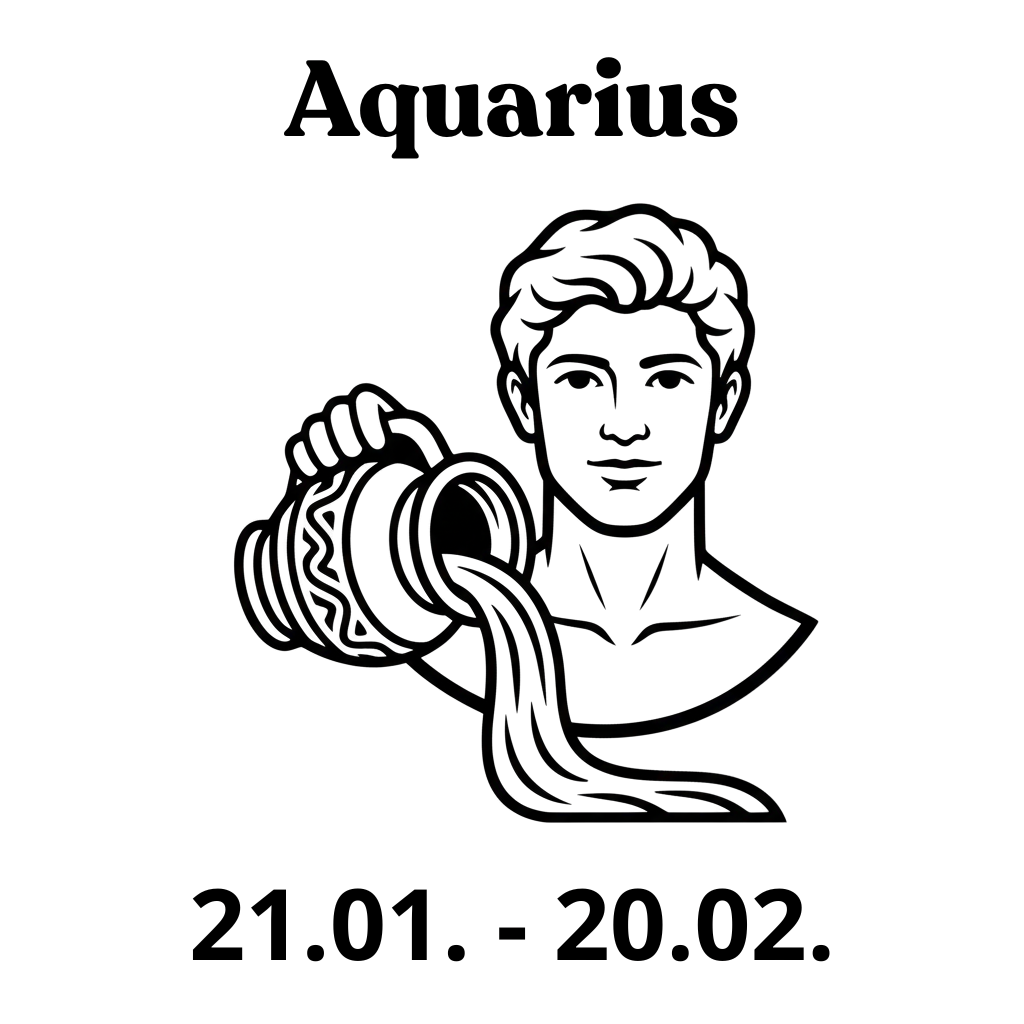
Aquarius — Aquarius often wears a mask of cool objectivity, responding to emotional pain by intellectualizing it or reframing it as a social problem rather than a personal failing. They might speak in measured, abstract terms about hurt, offering theories or long-term solutions while avoiding the immediacy of private sorrow, which reads as rational detachment to those who expect tears. Because they prize independence and forward-thinking, Aquarians sometimes hide sadness behind activism, group projects, or witty commentary, transforming private ache into a communal focus so it feels less vulnerable.
That concealment isn’t absence of feeling; it’s a strategy to protect identity and maintain freedom, and under the surface there can be quiet loneliness when their ideas don’t land or when relationships fail to meet their ideals. In close relationships, Aquarius will reveal pain in unusual ways—through creative plans, surprise research, or late-night philosophical exchanges—rather than in direct confessions.
Friends who respond with curiosity and respect for autonomy, rather than insistence on emotional display, often encourage Aquarius to be more candid. Over time, if their detachment isn’t acknowledged, Aquarians risk emotional isolation even as they champion connection for others.
Pisces — Pisces is emotionally porous and highly empathetic, so their pain can be both visible and quietly internalized depending on the situation. They often translate hurt into symbol and mood, showing sensitive withdrawal, dreamy silence, or creative output as their way of coping. Pisces may hide pain behind a smile or fantasy, creating escapist clues—they might vanish into music, art, or sleep to avoid the rawness, or suddenly take a long walk to a familiar shoreline as a private ritual.
At the same time, when psychic boundaries blur, other people’s sadness becomes their own, and Pisces’s suffering can be diffuse and deep, appearing as gentle melancholy. This contradictory mix of overt softness and invisible ache can confuse partners who expect either dramatic breakdowns or steady cheerfulness.
They need compassionate mirrors to help sort feelings, because alone they may sink into self-blame or romanticize pain. A patient, imaginative listener who validates sensations rather than fixes them helps Pisces find gentle healing and healthier ways to express grief.

Conclusion
Emotional visibility depends on temperament, learned coping, and the specific wound. Some signs wear pain loudly as a call for help; others hide it behind competence, humor, or routine. Recognizing these tendencies can guide kinder, more effective responses—whether that means giving space, offering steady presence, making a practical gesture, or creating a safe conversational space.
Astrology gives a useful shorthand for noticing patterns, but each person’s history and choices shape how they suffer and heal. Meet someone where they are: the right response often matters more than whether the hurt is obvious or secretive.
Cosmic Highlights
FAQ
Why do some zodiac signs hide their emotional pain?
Many signs conceal hurt because of pride, fear of vulnerability, learned coping strategies, or a desire to maintain control. Cultural background and personal history also play big roles, so astrology describes tendencies rather than fixed rules.
How can I tell if someone is hiding pain behind a smile?
Look for changes in routine, subtle behavioral shifts (less sleep, overwork, withdrawal), inconsistent cheerfulness, or small slips in conversation. Gentle, nonjudgmental questions often encourage someone to open up more than direct confrontation.
Is it helpful to point out when a sign seems hurt?
Yes, when done kindly. Name a specific behavior and offer support—for example, “I’ve noticed you seem quieter lately; do you want to talk?”—and be prepared to listen rather than immediately solve the problem.