- Some signs combine practicality and patience, making them natural survivors in a remote, cold setting.
- Other signs use creativity, curiosity, or routines to stay mentally healthy while alone in isolation.
- A few zodiac types are likely to struggle emotionally or get restless, even if they manage the basics.
- Knowing which tendencies a sign brings helps imagine how they’d spend seven days alone, from organizing to dreaming.
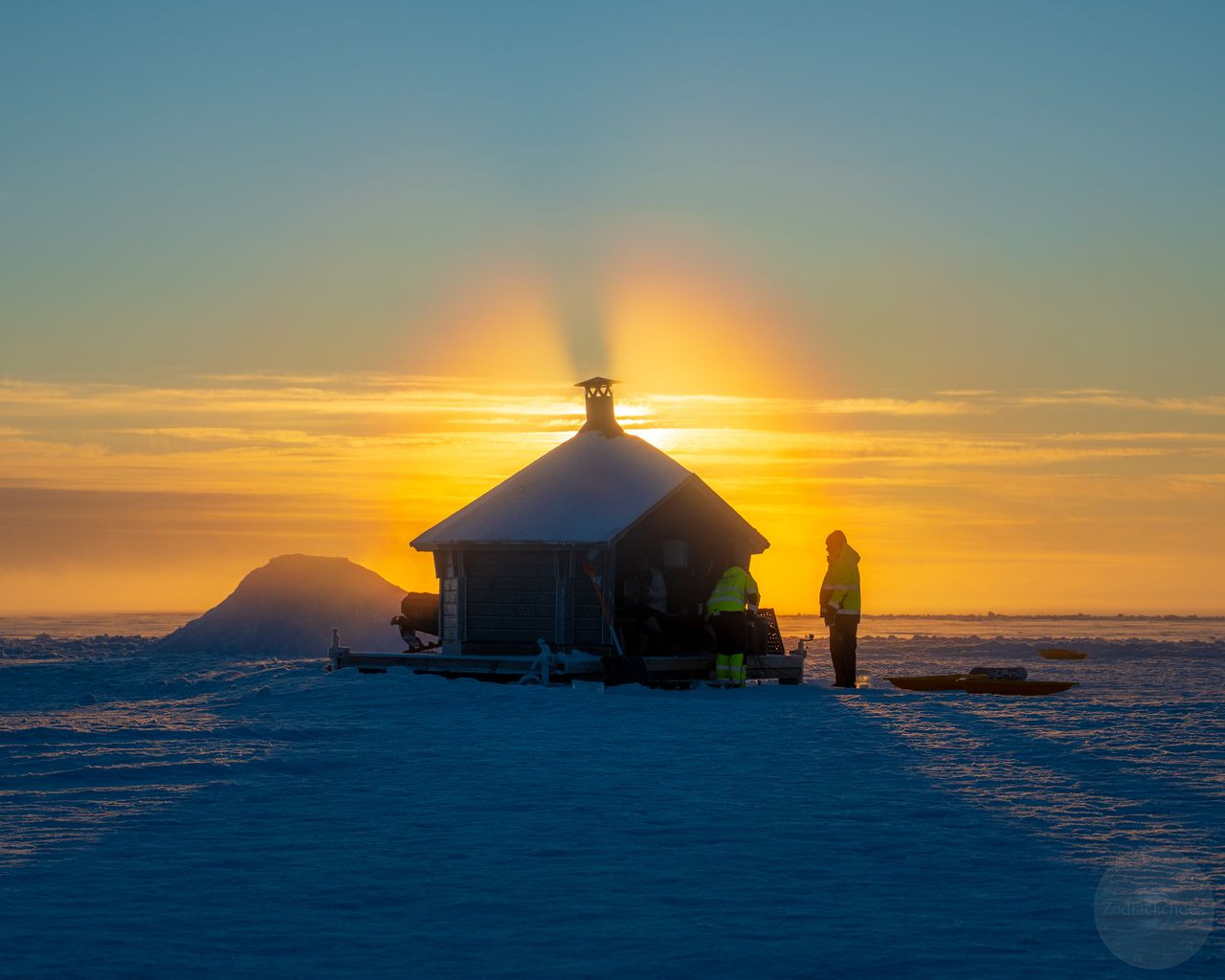
Imagining yourself alone in a snowbound cabin for a week reveals more than basic survival instincts — it exposes how different signs handle cold, quiet, and self-reliance. This playful look groups the zodiac into realistic survival styles: the practical doers who prep and ration, the lone strategists who turn solitude into focus, the sociable adapters who improvise company in creative ways, and the sensitive types who need emotional tactics to stay steady.
Read on to see where your sign fits and how your typical habits and moods would shape a seven-day Arctic retreat.
Practical doers who treat solitude like a project
Capricorn — A week alone in an Arctic cabin reads more like a scheduled task than an ordeal for Capricorn. A methodical planner sums up their approach: they’ll inventory wood, food, and fuel on day one and make a clear checklist for each day. With comfort in routine, they enjoy ticking off chores — chopping wood, maintaining heat, and organizing supplies — because it feeds their sense of competence.
Capricorns often have a calm endurance, so cold nights and long hours alone don’t rattle them the way they might rattle other signs. They’ll likely set small goals like preserving food or fixing gear, and those micro-wins sustain morale.
Social solitude doesn’t mean emotional numbness for them; Capricorns keep a private journal or log to process thoughts, a practical emotional outlet that helps them review lessons learned. By week’s end they often feel proud of what they accomplished, seeing the stay as quietly productive rather than punitive.
Taurus — Comfort and creature comforts matter to Taurus, and that matters a lot inside a tiny, icy cabin. First, they’ll prioritize cozying the space, making a sleeping arrangement, layering blankets, and creating a warm corner where rituals can happen; these physical anchors are emotionally stabilizing. Taurus tends to be steady under pressure, enjoying repetitive tasks like tending a stove or rationing food because these actions feel grounding and familiar.
They prefer familiar tastes and routines, so they’ll likely bring comfort foods and set aside time to savor them slowly as a form of self-care. Loneliness is less of a crisis for Taurus than a potential boredom trap; they’ll stave that off by establishing sensory comforts — a deliberate playlist, tactile crafts, or a simple exercise routine.
Taurus sometimes resists change, so improvising gear or accepting new methods can feel frustrating at first, but their patient persistence usually wins out and they adapt steadily when necessary. By the middle of the week they’re likely settled, calmer, and surprisingly content in a small, well-fed world.
Virgo — Virgo treats an Arctic cabin like an efficiency experiment: every item, chore, and schedule gets optimized. They’ll likely inventory supplies in meticulous detail and create contingency plans for fuel, heat, and meals, driven by practical foresight and an eye for what could go wrong. Virgos are comfortable alone because solitude allows them to tidy both space and mind, and they often find solace in small routines — organizing firewood, cleaning tools, or journaling observations each evening to maintain order.
Their critical mind can be a double-edged sword; self-criticism surfaces if things go wrong, but it also pushes fast problem-solving and careful reassessment of what worked and what didn’t. Virgos tend to remain calm in technical emergencies because they can focus on steps rather than panic, preferring quiet competence over dramatic action.
They might pass the time with useful projects like mending clothing, inventing food mixes, or refining systems for conserving fuel, and these tasks keep anxiety low. In short, Virgo’s mix of practicality and humility makes them a reliable survivor who values order and steady progress.

Lone strategists who turn isolation into a mission
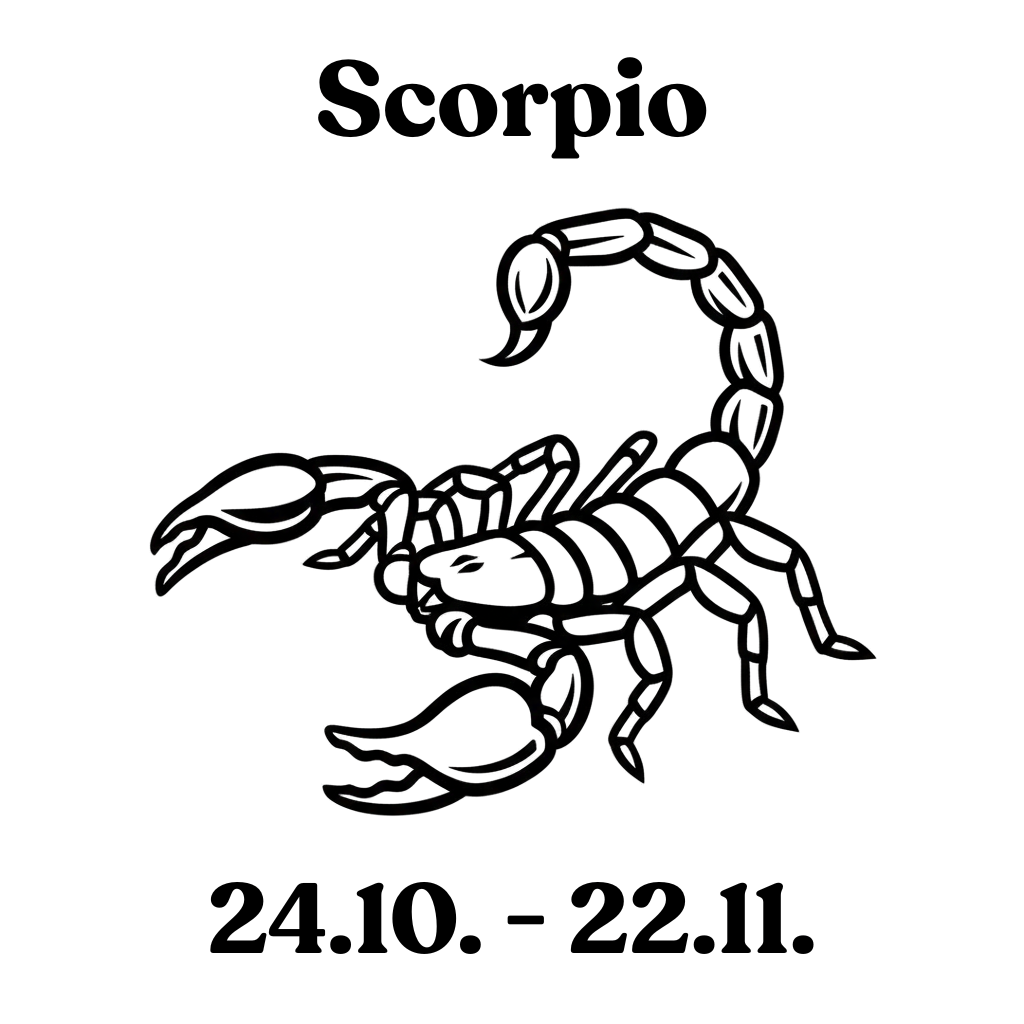
Scorpio — Solitude is a chance for deep focus with Scorpio, who often finds intensity restorative rather than draining. They’ll use a week alone to peel back layers of thought, maybe writing long letters, planning a future project, or mapping emotional terrain, because private depth appeals to their core sensibility. Scorpios are resourceful and rarely helpless; they tend toward strategic problem-solving, whether it’s fashioning a water filter or hiding a last bar of chocolate for morale as a deliberate contingency.
Their presence in a cabin can feel almost watchful — they notice small changes in weather or smell and act calmly when challenges arise, driven by a protective instinct. Still, emotional waves are real for Scorpio; a long stretch of quiet can bring up vulnerability, so they create rituals like controlled breathing or intense journaling as emotional self-regulation.
They also respect silence and won’t pretend to be cheerful just for company, but they will be hyper-attentive to safety and security in practical ways. A week alone could leave a Scorpio feeling both cleansed and oddly powerful, refreshed by the inward work and practical victories.
Aries — Aries treats solitude as an opportunity to get things done fast and loudly in their own head. They’ll tackle any practical tasks with brisk decisiveness, chopping wood, clearing pathways, or testing equipment early and often because action soothes impatience and keeps adrenaline channeled positively. Boredom is the main enemy for Aries; they need movement and variety, so they invent projects — building a snow shelter, mapping the area, or experimenting with meals — to stay engaged and entertained.
Aries’ confidence helps in emergencies: they react quickly and trust their instincts, showing bold improvisation when tools or plans fail, which can be lifesaving in a pinch. However, impulsivity can lead to skipped safety steps; their rush might create avoidable issues that require correction or a second, more cautious look.
Socially, Aries misses human sparks but channels energy into competition with themselves, keeping morale high by setting daily personal challenges or time trials. The week will feel like a short, intense boot camp to them, and they’ll emerge exhilarated or exhausted depending on how well they paced themselves and learned to slow down for safety.
Sagittarius — Sagittarius turns a cabin retreat into a mental adventure, not a survival contest, combining optimism with curiosity in ways that keep the spirit light. They find it easy to stay curious in isolation, reading maps, exploring short treks nearby when safe, and inventing stories or travel plans to keep the mind lively and forward-focused. Sagittarians are adaptable and often amused by challenges; freezing weather becomes material for jokes, philosophical musings, or new plans for future travel, which preserves morale and keeps anxiety at bay.
They prefer wide perspectives to narrow routines, so they’ll spend time stargazing, daydreaming, or sketching routes for imagined journeys as an active way to maintain mental space. Practical skills may not be their strongest suit, so they rely on optimism and improvisation to solve problems, sometimes learning on the fly and turning mishaps into lessons rather than setbacks.
Loneliness rarely deepens into despair for Sagittarius because their imagination supplies company and a sense of purpose; however, they can underestimate careful planning, so some preparation for basics like insulation and fuel keeps them comfortable. By day seven they’re likely plotting their next escape or laughing at what they learned and sharing it with future audiences.

Sociable adapters who make solitude feel less lonely
Leo — Leo’s instinct is to keep morale high, even when alone, and a week in a cabin won’t stop them from staging a little daily performance that keeps the mood buoyant. They’ll create rituals — a “sunset appreciation” snack, a warm beverage ceremony, or keeping a dramatic journal — because creating warmth matters as much as physical heat and gives them a creative outlet. Leos are resilient emotionally because they can self-entertain and treat solitude like an audience-free rehearsal; they sing, tell stories to themselves, or plan future gatherings as morale boosters that reaffirm identity.
Practical tasks are handled with flourish: they’ll clean, decorate, and optimize spaces with creative energy, making the cabin feel less like a shelter and more like their temporary kingdom. Pride can be a motivator: Leo will demonstrate competence to themselves by mastering a stove or fixing a problem, and those wins sustain their confidence.
Still, extended silence can bruise their spirits — they prefer applause and company — so they may schedule video calls or record messages to feel connected and remembered. By the end of the week, Leo usually feels revitalized if they’ve kept rituals alive and treated the stay as a staged challenge rather than a punishment.
Gemini — Gemini fights isolation with curiosity, chatter, and variety; a single static routine is their worst enemy and they actively guard against it. They’ll bring books, podcasts, or a stack of puzzles to keep the mind moving, relying on mental stimulation to stave off restlessness and maintain a sense of ongoing discovery. Geminis are adaptable and quick-thinking, so improvising solutions — repurposing a flannel into a filter, inventing games to pass time, or experimenting with different meal preparations — comes naturally as playful problem-solving.
Their emotional experience depends on how well they can communicate; journaling, recording voice notes, or planning conversations they want to have helps them feel socially tethered to others even when physically alone. Boredom can lead to scattered energy, so success depends on setting small, varied goals each day rather than one rigid routine, and that structure helps them finish practical tasks reliably.
Practical survival chores don’t intimidate Gemini, but they can be inconsistent with long, repetitive work; balancing bursts of activity with restful intervals keeps them functional and prevents burnout. A week alone is a mental marathon for Gemini, and they cope best when things are interesting, changeable, and filled with little sparks of novelty.
Aquarius — Aquarius treats solitude like a laboratory for ideas, often thriving when removed from social expectations and afforded uninterrupted time to think. They’ll use the quiet to read, invent, or tinker with concepts that need uninterrupted thought — intellectual independence is their strong suit and fuels creative problem-solving. Aquarians are often emotionally detached enough to stay comfortable through long stretches of isolation, and they enjoy observing patterns in weather, routines, or their own thoughts and then abstracting lessons from those observations.
Practical chores might be handled efficiently but unconventionally; they’ll find clever workarounds and improvise gadgets if needed, showing innovative resourcefulness rather than rote technique. They don’t require constant company, but they do value connection to a larger community, so they’ll likely schedule calls, post updates, or draft essays to feel in the loop and give their solitude a social thread.
While Aquarius can be aloof, they rarely crumble alone; instead, they use the time to sketch future projects, refine philosophies, or plan humanitarian ideas to share later. The week can leave them energized and full of new ideas to implement once they return to civilization.

Sensitive types who need emotional strategies to thrive
Cancer — Cancer experiences solitude deeply because emotional safety is their baseline need, so an Arctic cabin quickly becomes an inner landscape to manage and nurture. They will prioritize comfort rituals — warm meals, a dedicated blanket, photos or keepsakes — because these items soothe feelings and create an emotional nest that helps them feel anchored. Cancers can be excellent caregivers to themselves, cooking carefully, tending warmth, and keeping the space as nurturing as possible, yet long stretches without social contact can trigger waves of homesickness that require deliberate coping strategies.
Their instincts toward empathy mean they may invent companions — talking to a pet substitute, naming an object, or writing letters — to feel less alone, which is a practical coping mechanism rather than avoidance and helps maintain emotional balance. When anxious, Cancer tends to retreat inward and ruminate, so setting small routines like timed walks, simple chores, or scheduled journaling helps maintain stability as emotional structure.
They’re intuitive about weather and mood shifts, often noticing subtle signs that others miss and acting to maintain safety, such as double-checking seals or storing dry fire-starting materials. A week alone could be restorative if they intentionally craft comfort and allow themselves to miss loved ones without judgment while still performing essential tasks to stay safe.
Pisces — Pisces approaches a solitary cabin week like a creative retreat, where imagination and dreaminess provide company and a slow rhythm replaces busy social life. They’ll likely drift between practical tasks and long reveries, using art, music, or inner storytelling as emotional sustenance that soothes anxiety and keeps purpose soft but present. Pisces can struggle with motivation for routine chores, so they do best with flexible structures that allow creative breaks between needed tasks and gentle cues to return to essentials like fire maintenance or food rationing.
Their sensitivity makes them attuned to discomfort — cold, silence, or minor injuries feel amplified — so they need soothing rituals like a warm drink, soft lighting, or calming playlists even in the Arctic; these comforts help them remain functional. Escapist tendencies surface if stress grows: daydreaming helps, but too much fantasy can let actual problems go unaddressed, so balancing imaginative rest with concrete action keeps them safe.
Pisces are compassionate with themselves and will often forgive slowness while still managing essentials when they frame the week as a spiritually restorative pause. With intentional boundaries around time for creativity and for chores, Pisces can return refreshed and with renewed empathy.
Libra — Libra values harmony and can feel the cabin’s silence as both a relief and a challenge; they dislike feeling trapped by monotony or by their own moods and seek aesthetic balance to maintain calm. They will create visual and tactile order — arranging blankets, lighting candles safely, and keeping the environment pleasant — because visual balance soothes and helps regulate mood in an empty space. Libras tend to process loneliness by planning social return: crafting letters, imagining conversations, or composing playlists for future shared moments, which keeps their social skills engaged and gives them a sense of forward-looking connection.
Decision fatigue is a real risk in a bare environment; they may be indecisive about how to spend time or ration resources, so simple daily choices and a light schedule help maintain equilibrium and reduce anxiety. Their diplomatic nature makes them gentle with themselves, avoiding harsh self-critique, but they do need reminders to perform practical tasks rather than simply arranging the space for beauty.
If they neglect chores—forgetting to check the stove or measure fuel—their calm rituals can become impractical, so pairing aesthetics with checklists prevents trouble. When Libra mixes small routines with enjoyable aesthetics, the week becomes a peaceful pause rather than a strain, and they can return feeling composed, socially ready, and creatively replenished.

Conclusion
A week alone in an Arctic cabin reveals which signs prefer ordered, productive solitude and which rely on imagination, social rituals, or emotional routines to feel steady. Practical signs like Capricorn, Taurus, and Virgo will likely thrive on plans and tasks; lone strategists such as Scorpio, Aries, and Sagittarius transform isolation into intentional focus or adventure; sociable adapters including Leo, Gemini, and Aquarius invent ways to entertain themselves and maintain connection; and sensitive signs Cancer, Pisces, and Libra need deliberate comforting rituals and gentle structure.
None of these descriptions are absolute guarantees, but each sign’s tendencies show believable survival styles — and with a little planning, almost any sign could make a week alone feel manageable, even meaningful.
Cosmic Highlights
FAQ
Which signs are least likely to enjoy a week alone in an Arctic cabin?
Signs that depend heavily on social input or emotional closeness — notably Cancer, Libra, and sometimes Gemini — can find a week of isolated solitude emotionally challenging unless they prepare comforting routines and communication plans.
Can anyone learn to handle solitude better for a short trip like this?
Yes. Practical preparation (checklists, supplies), established rituals (meals, exercise, journaling), and ways to stay connected remotely can help most people manage a short period of isolation more comfortably.
What practical skills matter most for a week in an Arctic cabin?
Basic skills like fire management, waterproofing, food rationing, first-aid awareness, and simple equipment repair are the most useful, alongside psychological tools such as routines, creative outlets, and methods to stay calm.